OPINION: Winky D’s Tête-à-Tête Shows How Concerts Can Put Money in Ordinary People’s Pockets

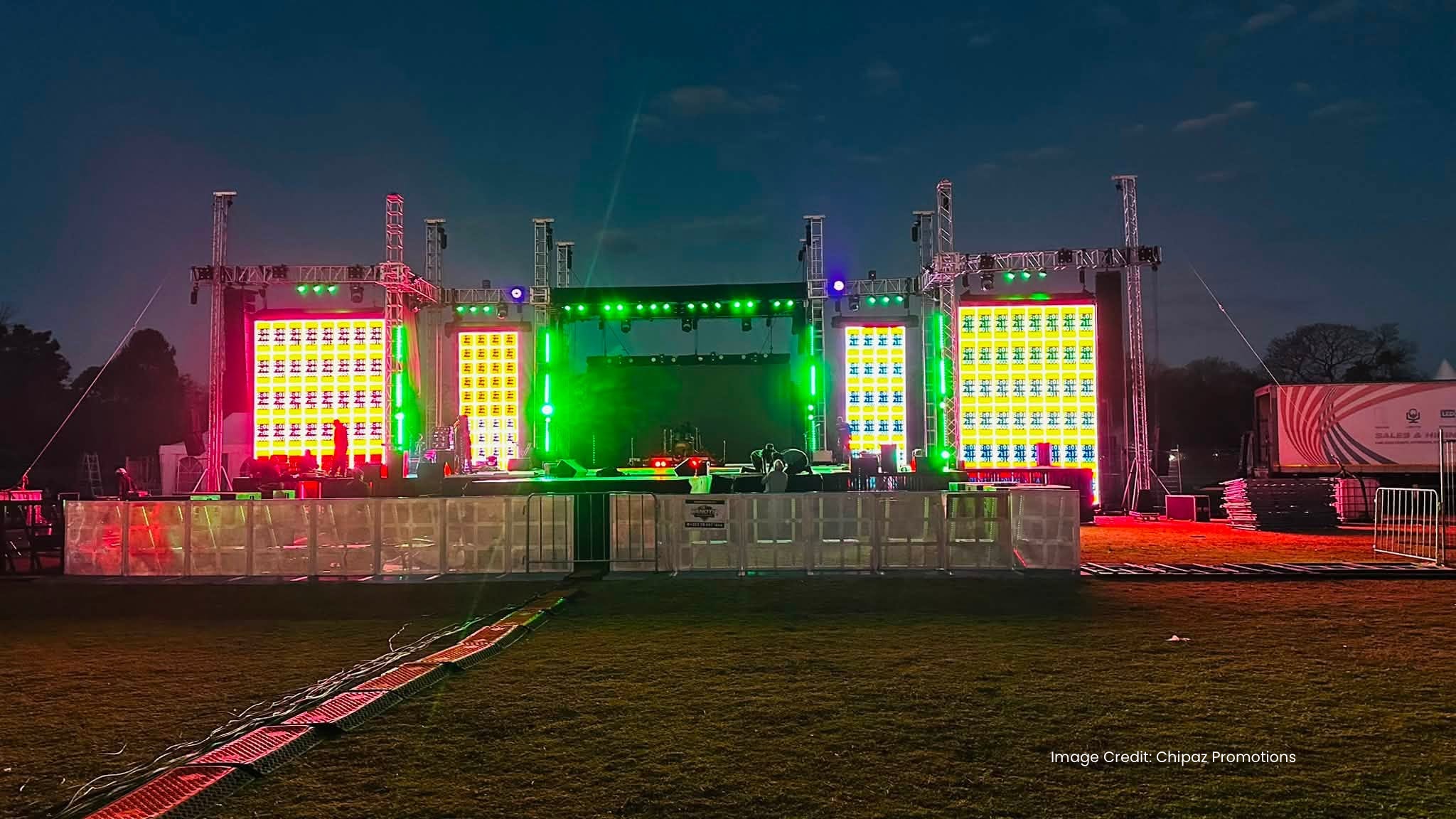
Zimbabwe – Harare: Winky D’s Tête-à-Tête Season 2 was more than a major night of music. Held at Alex Sports Club in Harare on Saturday, 29 August, the concert demonstrated how large-scale entertainment events can create economic opportunities for ordinary people far beyond the ticketed venue.
While public discussion around the event has largely centred on Winky D’s performance, fashion, visual presentation and the wider spectacle associated with the Gafa brand, the economic impact of the concert was also being felt by people whose businesses have little or no direct connection to the entertainment industry.
Thousands of fans travelling to and from the event created demand for transport, food, grooming, accommodation and a range of everyday services.
The movement of people is one of the most significant economic contributions made by major entertainment events. Fans travelling from Bulawayo, Gweru, Mutare, Masvingo, Kwekwe, Chitungwiza and other parts of Zimbabwe needed transport to reach Harare and the venue. Once in the capital, they spent money on meals, refreshments, taxis, accommodation and other services, allowing the economic benefits of the concert to spread across different sectors.
For ‘kombi’ operators and taxi drivers, a major concert can mean increased passenger numbers and additional trips. The demand does not end when concertgoers arrive at Alex Sports Club. People still need transport between accommodation, restaurants, meeting points and the venue, followed by return journeys after the show.
Street vendors and informal food traders are similarly positioned to benefit from large gatherings. Fast-food sellers offering grilled meat, chips, sausages and other popular meals can access a concentrated market of potential customers around major events. For small-scale traders, the additional sales generated over a single busy day can make a meaningful difference to household income.
The economic activity also extends to businesses that operate before the concert begins. Barbers, salons and clothing traders can benefit from people preparing for an important social occasion. Concertgoers often spend money on grooming, clothing and personal presentation before attending, creating a chain of spending that starts well before the first performance.
Cafés, restaurants, convenience stores and accommodation providers can also benefit from the increased movement of people. Visitors travelling from outside Harare may eat at local establishments, purchase refreshments, stay overnight or use services they would not ordinarily have accessed. In this way, a music event can introduce visitors to businesses and services beyond the immediate concert environment.
This makes major concerts an important component of domestic tourism. When Zimbabweans travel from one city to another specifically to attend an entertainment event, they contribute to the domestic tourism economy through spending on transport, food, accommodation and leisure. Music, therefore, becomes not only a cultural attraction but also a reason for people to travel within the country.
Winky D’s national following makes Tête-à-Tête particularly significant in this regard. His audience extends well beyond Harare, meaning a major concert can bring people together from different parts of Zimbabwe.
The movement generated by that audience creates economic opportunities for businesses that may have no direct connection to music production or event management.
The wider economic value of entertainment is often underestimated because attention tends to focus on headline figures such as ticket sales, artist fees, sponsorships and production costs.
However, the economic footprint of a concert is considerably broader. It includes the vendor selling food outside the venue, the driver transporting fans, the barber preparing a customer for the evening, the photographer documenting the experience, the café serving visitors and the accommodation provider hosting people from outside the city.
For many of these businesses, large events provide access to customers at a scale that would be difficult to generate through ordinary daily trading. A concert effectively creates a temporary marketplace in which thousands of consumers converge in one area within a relatively short period.
The phenomenon also highlights the potential of Zimbabwe’s entertainment industry as an economic driver. Artists with strong national and regional followings have the ability to stimulate movement between cities, encourage domestic spending and create opportunities for small businesses.
With greater coordination between the entertainment, tourism and business sectors, major concerts could potentially play an even larger role in supporting local economies.
The benefits of such events should therefore not be considered exclusively in terms of what happens inside the venue. The public economy surrounding a major concert is equally important. People who never purchase a ticket can still benefit from the visitors and economic activity generated by the event.
Tête-à-Tête offers a clear example of how entertainment can extend beyond music and become part of a broader economic ecosystem. The fans who travelled to Harare created demand for transport, food, accommodation, grooming and other services, allowing money generated by the event to circulate through multiple parts of the local economy.
The significance of a major concert should consequently be measured not only by the size of its audience or the quality of its production, but also by the opportunities it creates for ordinary people. When thousands of people travel, eat, shop, use public and private transport and access local services because of a concert, the economic impact reaches well beyond the stage.
Winky D may have been the central attraction at Tête-à-Tête, but the event’s economic story belongs to a much wider community. From street vendors and kombi operators to taxi drivers, barbers, cafés, photographers, traders and accommodation providers, ordinary Zimbabweans were part of the economic activity generated by the gathering.
That is ultimately why major concerts matter to the public. They provide entertainment, create opportunities for travel and social interaction, and, at the same time, give small businesses and informal traders access to a large concentration of potential customers.
When the entertainment industry succeeds, its benefits have the potential to move beyond the stage and into the wider economy and, most importantly, into the pockets of ordinary people, as witnessed by the heavy concert activities in Harare on the same weekend.