Zambia’s Democracy Faces Defining Test Ahead of August 13 Polls

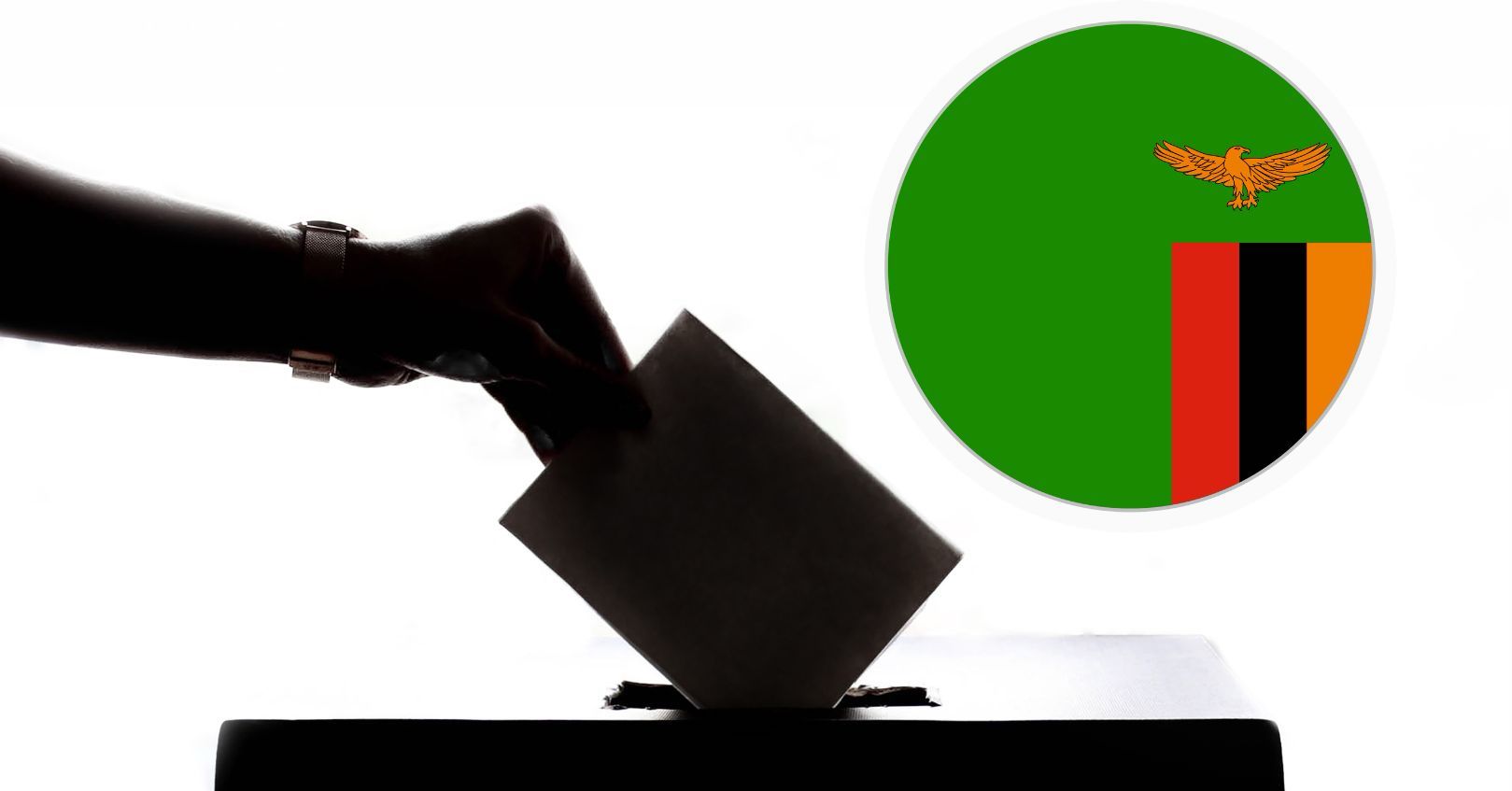
Zambia heads to the polls on 13 August 2026, with the country’s reputation for peaceful democratic transitions facing another crucial test.
Since the historic end of one-party rule in 1991, Zambia has largely maintained a tradition of electoral change through the ballot box. However, concerns over civic space, political freedoms, equal participation and the wider electoral environment have raised questions about the strength of the democratic process ahead of this year’s vote.
The presidential contest is expected to be closely fought, with incumbent President Hakainde Hichilema of the United Party for National Development (UPND) seeking another mandate against opposition challenger Brian Mundubile.
Hichilema is campaigning on his government’s economic record, including debt restructuring, investor confidence and efforts to revive the mining sector. His supporters argue that the reforms have restored economic stability and positioned Zambia for long-term growth.
Mundubile, meanwhile, has focused on the cost of living, unemployment and the gap between economic recovery and the everyday experiences of ordinary Zambians. His campaign argues that growth must translate into jobs, affordable living costs and improved household incomes.
The economy is likely to be a decisive factor. While Zambia has made progress on inflation, debt restructuring and investment, voters continue to feel the pressure of food prices, electricity shortages, unemployment and household costs.
Copper and the wider mining sector will also feature prominently, with both campaigns seeking to convince voters that they can increase production, create jobs and ensure greater national benefit from Zambia’s mineral wealth.
Beyond the political contest, public confidence in the electoral process will be critical. Election observers have called for peaceful campaigning, equal participation, protection of civil liberties and transparent administration of the vote.
Young and first-time voters, as well as urban and rural constituencies, could prove decisive in determining the outcome.
The 2026 election is therefore about more than choosing Zambia’s next leadership. It is a test of the country’s democratic institutions and its long-standing reputation for peaceful political transitions.
As millions of Zambians prepare to cast their ballots on 13 August, the conduct and acceptance of the election will carry implications not only for the country’s political future, but also for investor confidence, regional stability and the broader democratic outlook of Southern Africa.