WOWRAE: The Zimbabwean Percussion Visionary Taking Marimba to the World’s Biggest Stages

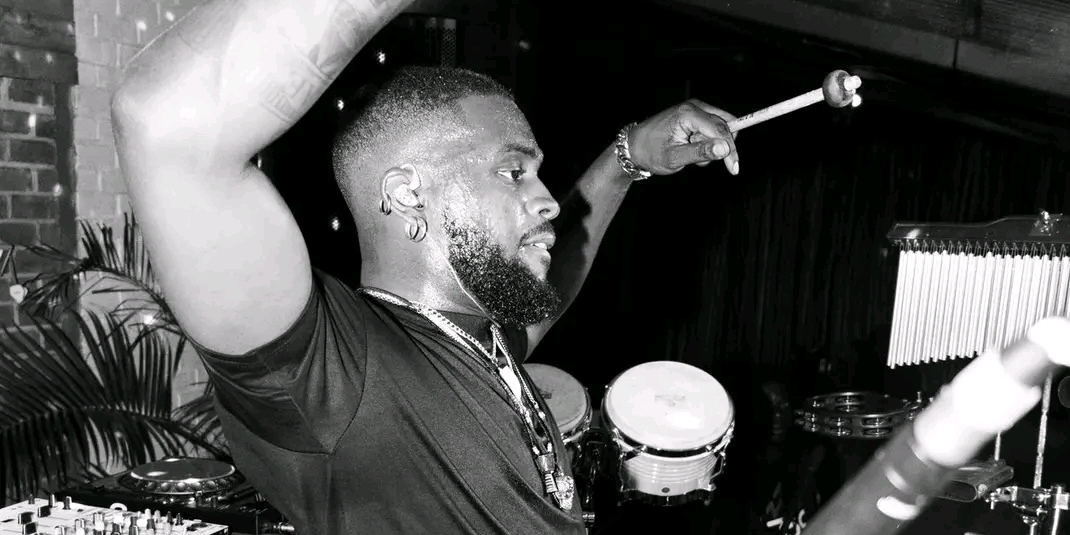
From the classrooms where he teaches young musicians to international festival stages where he reimagines Zimbabwean tradition through AfroHouse and AfroTech, Kudzai Muwori better known as WOWRAE is redefining what it means to be a modern African performer. A gifted percussionist, marimba composer, arranger and performer, WOWRAE has built a distinctive sound that blends the heartbeat of Zimbabwean heritage with contemporary electronic music, captivating audiences both at home and abroad.
In this exclusive interview with My Afrika Magazine journalist Tapiwanashe Rubaya (TR), Kudzai (KM) reflects on his musical journey, the inspiration behind his stage name, representing Zimbabwe on international platforms, preserving the country’s rich musical heritage, and why authenticity remains the driving force behind his remarkable career.
TR: Kudzai, welcome to My Afrika Magazine. Before we get into it, would you introduce yourself to Africa? Tell us who Kudzai Muwori is and the story behind the artist known as WOWRAE.
KM: Kudzai Muwori, commonly known as WOWRAE, is a Zimbabwean percussionist, performer, marimba ensemble composer and arranger, and part-time model. I have been playing the marimba since 2011, and over the years I have fused the instrument with AfroHouse and AfroTech music, creating hybrid performances that merge African culture with contemporary African Electronic Dance Music. I also teach marimba and percussion at St George’s College and Peterhouse Boys’ School, where I apply my marimba ensemble composing and arranging skills.
Unlike many musicians, I only began learning music much later when I reached high school. Before then, I had always aspired to become a commercial pilot. However, the first time I played the marimba, I immediately fell in love with it, and it quickly became an obsession. Sixteen years later, that obsession has shaped my career and it has made me the musician I am today.
TR: WOWRAE is such a distinctive name. Where did it come from, and what does it represent about you and your music?
KM: WOWRAE is a nickname I was given by my friends in high school when I was around fifteen years old.
The name is derived from my surname, Muwori, and it has stuck with me ever since, even though I didn’t like it at first. Today, it is a name I use more often than my real name.
TR: You were part of the Zambezi Mighty Bonfire recently. What was that experience like for you, and what did performing in that space teach you?
KM: Performing at the Zambezi Mighty Bonfire was an amazing and thrilling experience. It felt especially immersive, as I had already performed at three Zambezi Bonfire Nights leading up to the main Bonfire event on 4 July.
These three events took place in Kadoma, Bulawayo and Harare, and each one was special because I had the opportunity to perform for a completely new audience compared to the AfroHouse-centred events I’m accustomed to.
Being part of the Zambezi Mighty Bonfire lineup felt surreal, as it featured many well-established names in the music industry. In many ways, it gave me greater confidence in myself and made me reflect on how much I’ve grown over the years to be recognised at that level. I felt truly honoured to have been invited.
TR: You’ve also played at international platforms like the Miombo Music Festival. What does it mean to you to represent Zimbabwe on stages like that?
KM: It is truly humbling to be invited to be part of experiences like the Miombo Magic Festival and other international events because it shows the value and importance people have placed in my art and talent. Everything that has happened in my life has unfolded in stages that were unplanned and unforeseen. Looking back at where I started and where I am today makes me proud to share this Zimbabwean instrument with the world.
Traditional instruments should always have a place on global stages because they are part of our identity as Africans. Sharing our music and our instruments internationally is both meaningful and necessary.
When I first entered the music industry as a percussionist, it was extremely difficult to be booked because percussion, particularly the marimba, was not considered an essential part of a band. That exclusion motivated me to create something unique for myself and stand out from everyone else.
TR: Live shows demand so much presence and stamina. Where do you draw your energy from when you step onto the stage?
KM: Live shows are both mentally and physically demanding. Before going on stage, I usually like to keep to myself. It allows me to calm down and spend time speaking to God. My greatest source of strength is God.
Beyond that, I also draw energy from the audience. Whether I am performing for hundreds or thousands of people, seeing even one person completely immersed in the performance gives me the motivation I need. The longer I perform, the more energy I seem to gain.
TR: Looking back so far, which performance or event stands out as your most memorable moment, and why?
KM: One of the most memorable moments of my career was hosting my own event, Realm of Percussion. The event took place on top of the Domboshava Mountains. Standing at the summit, taking in the breathtaking views and sharing that experience with amazing people was indescribable.
Contrary to what many people believe, success has never been about numbers for me. There were fewer than one hundred people at the event, yet every single person was fully immersed in the music and the experience. That made it unforgettable.
TR: Your sound is unique because you fuse marimba and drums together. How did you develop that skill, and what goes through your mind while performing live?
KM: I began blending the marimba with house music during my early years in high school because it was the genre I listened to the most. My marimba teacher constantly reminded me that there was so much more that could be done with the instrument and encouraged me never to be boxed into one style.
That advice gave me the confidence to experiment. Today, after years of performing, the marimba has become an extension of who I am. It allows me to express my emotions, excitement and feelings every time I step onto the stage.
TR: Do you believe it is important for marimba to be taught in Zimbabwean schools as part of arts and music education?
KM: Teaching the marimba is essential to preserving our culture. The value we place on our traditional instruments and music gives young people a stronger sense of identity, purpose and direction. That, in turn, influences our music industry and encourages artists to create music that is instantly recognisable as Zimbabwean.
The marimba can be played as both a solo and ensemble instrument, with groups of over one hundred performers if needed. It is a powerful tool for building community and togetherness.
Playing marimba in high school also gave me the confidence to express myself despite being naturally shy. It encouraged me to keep pushing my creative boundaries and ultimately led me to become the artist known today as WOWRAE.
TR: You’ve performed alongside award-winning artists such as Sylent Nqo, Gemma Griffiths and Othnell Mangoma. What have those collaborations taught you about music and about yourself?
KM: These artists are true powerhouses within Zimbabwe’s music industry, and working with each of them has taught me the importance of originality and perseverance.
Othnell Mangoma Moyo, in particular, has been one of my greatest influences, both professionally and personally. One lesson he has consistently taught me is to remain unapologetically authentic.
Each of these artists demonstrates the incredible power of live music by giving everything they have on stage. Their resilience, dedication and work ethic have inspired me to continually improve myself. They have shown me that success is built on hard work, regardless of how far you have come. I am genuinely grateful to have learned from them.
TR: Marimba is one of Zimbabwe’s most iconic instruments. Some people think it is losing popularity, and what must be done to ensure the next generation keeps it alive?
KM: I do not believe marimba is losing popularity in Zimbabwe. If anything, I think it has grown tremendously across the country. Today, nearly every primary and secondary school teaches the instrument, and the younger generation is incredibly talented and expressive.
In fact, I would even say today’s children are more talented than we were at their age because they have been given the freedom to explore and be creative with the instrument.
As long as we continue creating platforms where young people can showcase their talents and express themselves through music, I believe the marimba will continue to thrivenot only in Zimbabwe but beyond our borders.