Returning Home, Rebuilding Zimbabwe: A New Vision Beyond Xenophobia

By Rosemary Chiedza Mukucha, is a reporter & opinion columnist at My Afrika Magazine passionate about reshaping African narratives through factual storytelling. She also won the 2025 Global Peter Drucker Essay Challenge.
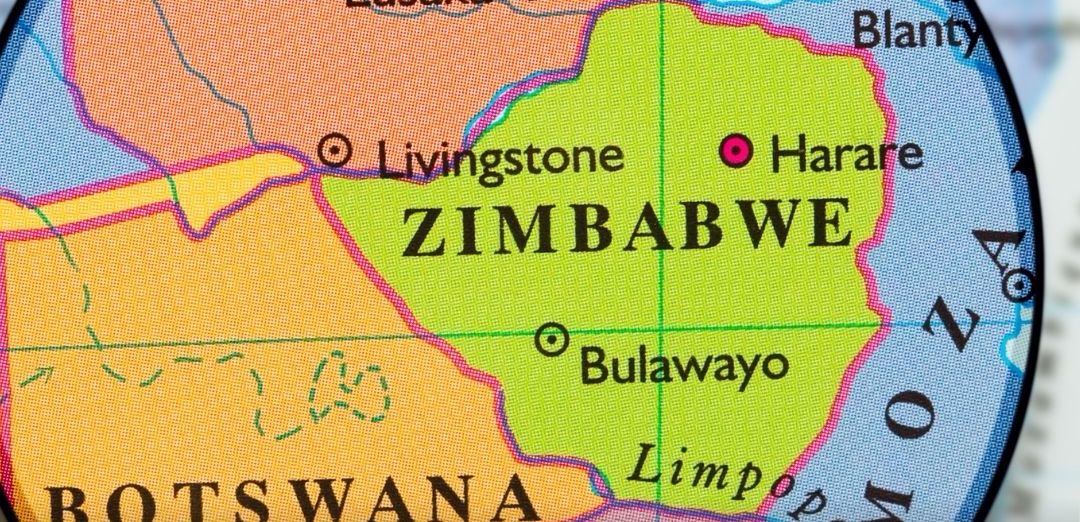
The recent wave of xenophobic attacks in South Africa has once again exposed the vulnerability of migrants who have long contributed to the country’s economy. Reports of violence and intimidation have left many foreign nationals, including Zimbabweans, choosing to leave rather than risk their safety. While changing deeply rooted anti-immigrant sentiments in South Africa will require sustained political and social efforts, Zimbabwe should focus on what it can control: turning this crisis into an economic opportunity.
Many of those returning possess valuable skills, entrepreneurial experience and established business networks across Southern Africa. Instead of viewing them as an added burden, Zimbabwe can create an enabling environment through simplified business registration, access to finance and incentives for small enterprises. This would help returning migrants reintegrate while strengthening the country’s productive capacity.
Beyond the domestic benefits, Zimbabwe is well positioned to advance the objectives of the African Continental Free Trade Area (AfCFTA). Situated between Southern, Central and East Africa, Zimbabwe can strengthen its role as a regional trade corridor by improving border efficiency, transport infrastructure and customs procedures. The country can also formalise sections of the informal economy, where much of Africa’s cross-border trade already occurs. Informal traders moving goods between South Africa, Zimbabwe, Zambia, Mozambique and beyond remain essential to regional commerce, yet they often face unnecessary administrative and financial barriers.
By supporting these traders with better infrastructure, digital payment systems and simplified cross-border trade regulations, Zimbabwe could become a key gateway connecting Southern Africa with markets in Central and West Africa. Such measures would not only increase trade volumes but also generate employment, expand the tax base and enhance regional economic integration.
The humanitarian cost of xenophobia should never be ignored, but moments of crisis can also create opportunities for strategic policy responses. Rather than waiting for conditions in South Africa to improve, Zimbabwe has an opportunity to attract returning talent, strengthen its informal and formal trading sectors, and position itself as a more influential player in the implementation of AfCFTA. With the right policies, an unfortunate regional crisis could become a catalyst for long-term economic resilience and continental trade leadership.
Many of those returning possess valuable skills, entrepreneurial experience and established business networks across Southern Africa. Instead of viewing them as an added burden, Zimbabwe can create an enabling environment through simplified business registration, access to finance and incentives for small enterprises. This would help returning migrants reintegrate while strengthening the country’s productive capacity.
Beyond the domestic benefits, Zimbabwe is well positioned to advance the objectives of the African Continental Free Trade Area (AfCFTA). Situated between Southern, Central and East Africa, Zimbabwe can strengthen its role as a regional trade corridor by improving border efficiency, transport infrastructure and customs procedures. The country can also formalise sections of the informal economy, where much of Africa’s cross-border trade already occurs. Informal traders moving goods between South Africa, Zimbabwe, Zambia, Mozambique and beyond remain essential to regional commerce, yet they often face unnecessary administrative and financial barriers.
By supporting these traders with better infrastructure, digital payment systems and simplified cross-border trade regulations, Zimbabwe could become a key gateway connecting Southern Africa with markets in Central and West Africa. Such measures would not only increase trade volumes but also generate employment, expand the tax base and enhance regional economic integration.
The humanitarian cost of xenophobia should never be ignored, but moments of crisis can also create opportunities for strategic policy responses. Rather than waiting for conditions in South Africa to improve, Zimbabwe has an opportunity to attract returning talent, strengthen its informal and formal trading sectors, and position itself as a more influential player in the implementation of AfCFTA. With the right policies, an unfortunate regional crisis could become a catalyst for long-term economic resilience and continental trade leadership.