CHIEDZA: ‘Pope Leo’s visit to Cameroon, the personal connection’

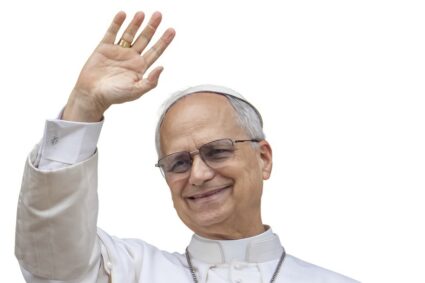
There was something unmistakably different in the air the week Pope Leo XIV arrived in Cameroon. From the moment his plane touched down in Yaoundé, the city seemed to pause and lean into the moment. Streets filled early, long before his motorcade passed, with people standing shoulder to shoulder just to catch a glimpse some waving flags, others clutching rosaries, many simply curious but drawn by the weight of history unfolding in front of them.
His first major engagement was at the Presidential Palace, where he met with Paul Biya. Their discussions were described as warm but purposeful, touching on national unity, the ongoing tensions in the Anglophone regions, and the broader need for reconciliation. The Pope’s tone throughout the visit remained consistent firm, but deeply pastoral. He spoke not like a distant leader, but like someone genuinely concerned about the fractures within the country.
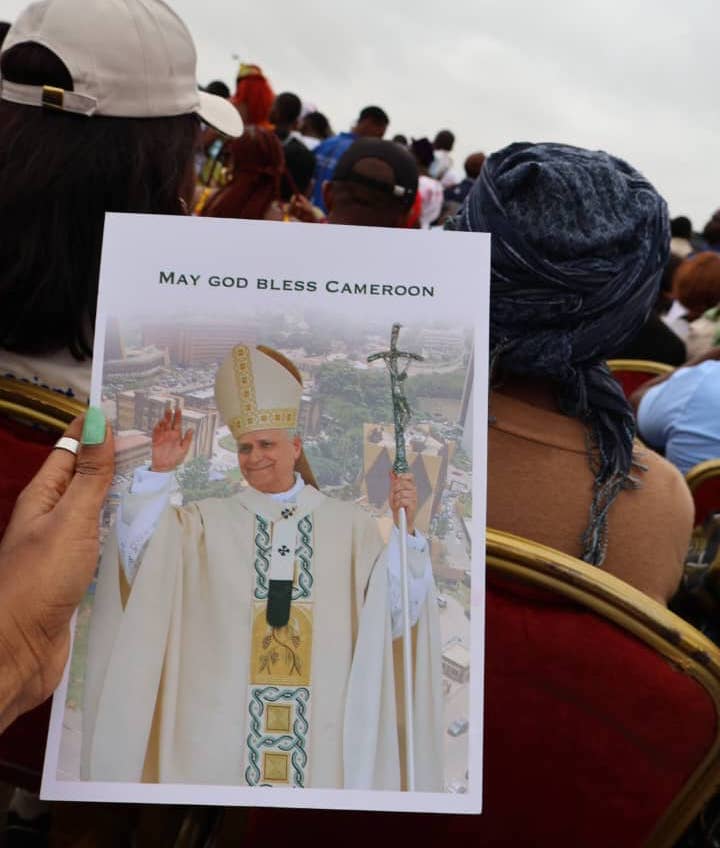
That message became even more pronounced when he traveled to Bamenda, a region that has endured years of conflict. The atmosphere there was more subdued, but no less powerful. His presence alone felt symbolic. During mass, which he delivered in both English and French, he called for dialogue over division, urging communities to “choose healing over hurt.” Many in attendance described it as one of the most emotional moments of the entire visit.
His multilingual delivery stood out too. Switching effortlessly between English and French, he made sure no one felt left out in a bilingual nation like Cameroon. It’s said he speaks over six languages, including Italian, Spanish, Portuguese, and Latin, and that ability gave his words an added sense of closeness, as though he was meeting people exactly where they were.
In Douala, the tone softened again. Alongside another large public mass, he made a quiet visit to a local hospital. There, away from the crowds, he blessed a newborn baby a small, intimate moment that somehow captured the essence of his trip better than the grand ceremonies. It wasn’t just about diplomacy or spectacle; it was about human connection.
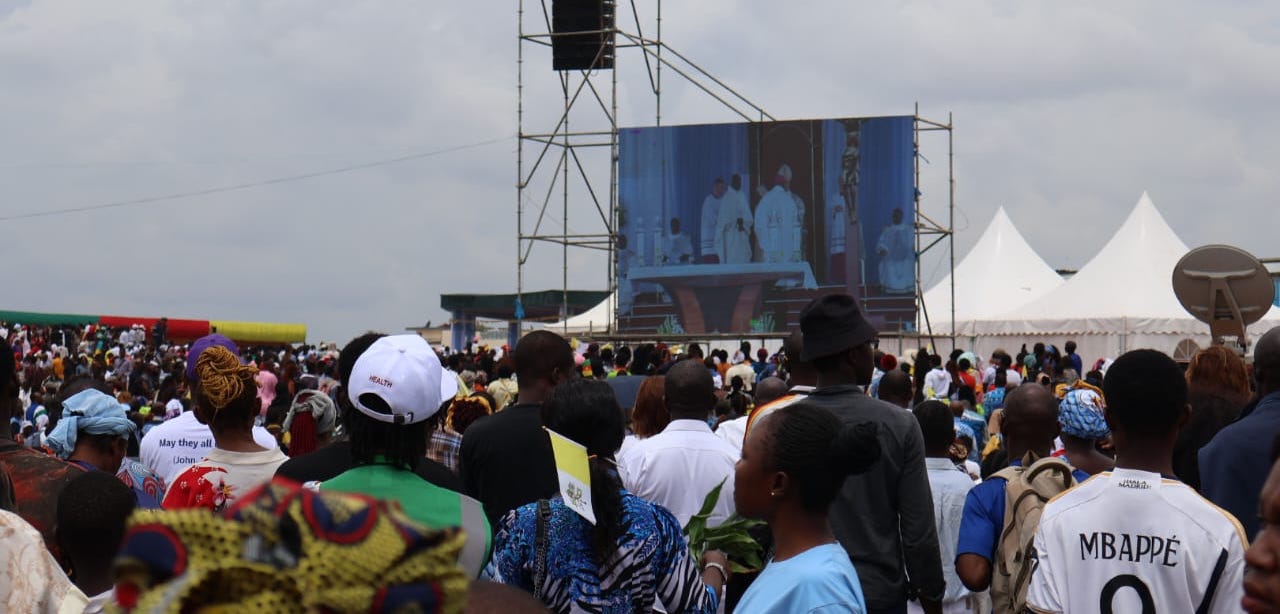
Back in Yaoundé, the scale shifted again. The papal mass held at the Yaounde Ville airport drew an estimated 80,000 people. It was overwhelming in the best way voices rising together, a sea of humanity united in a rare moment of collective reflection. I was there, somewhere in the crowd, trying to take it all in. There was a stillness during his homily that’s hard to describe. He spoke about peace not as an abstract idea, but as something urgent, something that must be rebuilt deliberately. That message, repeated across his visit, is part of why many have started calling him the “Peace Pope.”
He also stopped at the Catholic University in Yaoundé, where he spoke to students about leadership, responsibility, and the role of young people in shaping a more just society. He emphasized integrity, education, and the courage to challenge systems that fail the people they serve.
Throughout the visit, he didn’t shy away from global tensions either. Though he avoided naming names directly, references to criticism from the United States hinted at broader geopolitical strains. Still, he remained consistent calling for unity, compassion, and moral leadership on the world stage.
By the time he departed for Angola on Saturday, continuing his apostolic tour, there was a sense that something meaningful had passed through Cameroon. In Angola, he would go on to celebrate mass in Portuguese, continuing the same message across borders.
But here, in Cameroon, what remains is not just the memory of a visit, but the echo of a call for peace, for dialogue, and for a country to find its way back to itself.