Empowering Women Through the Artemisia Value Chain in Cameroon

By Rosemary Chiedza Mukucha, is a reporter & opinion columnist at My Afrika Magazine passionate about reshaping African narratives through factual storytelling. She also won the 2025 Global Peter Drucker Essay Challenge.
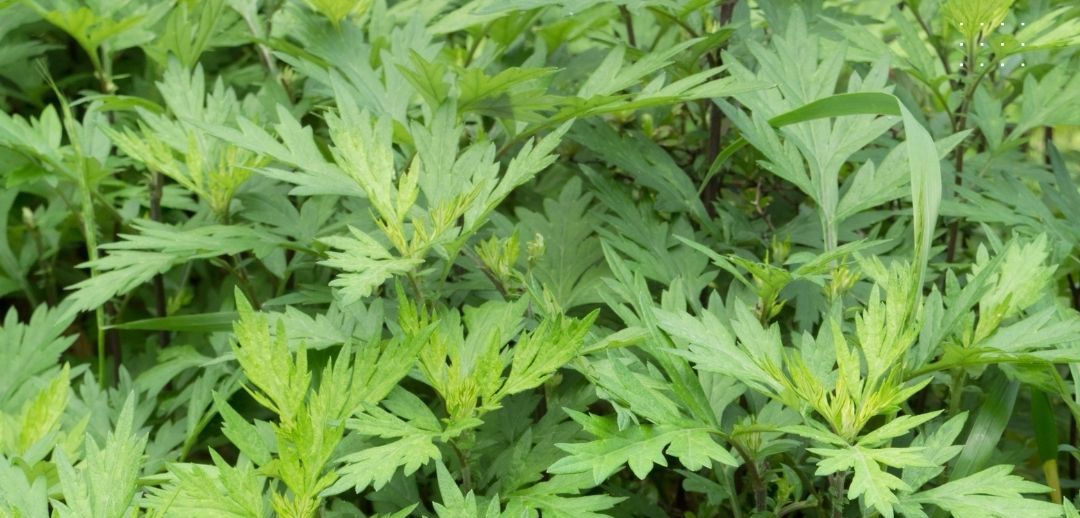
In Cameroon, science, innovation, and social empowerment are coming together in remarkable ways, particularly through the Artemisia value chain. Artemisia, a versatile medicinal plant originally from China, has captured global attention for its health benefits especially its efficacy in combating malaria and its supportive role during the COVID-19 pandemic. Unlike many crops, it thrives on any soil type, requiring only water and sunlight, with no chemical inputs.
At the forefront of this initiative is Professor Eddy L. M. Ngonkeu, head of the Scientific and Technical Cooperation Division at the Ministry of Scientific Research and Innovation (MINRESI). His leadership has not only advanced scientific research but has also focused on empowering women to actively participate in the full Artemisia value chain. From planting, watering, and nurturing, to harvesting, drying, grinding, and preparing it as a tea, women are gaining both practical skills and economic opportunities. With a growth cycle of just three months from seed to fully mature plant, Artemisia offers a rapid, sustainable source of income.
During the COVID-19 pandemic, Prof. Ngonkeu extended his expertise beyond Cameroon, assisting patients in neighboring Gabon and Equatorial Guinea. His efforts underscored the potential of medicinal plants to contribute to public health while also supporting local economies. Today, Artemisia products, including teas, are available in local supermarkets, signaling the growing commercialization and accessibility of this plant.
Zimbabwe has similarly recognized the potential of medicinal plants and local value chains, though the scale of organized, women-led empowerment initiatives remains more limited. There, policies focus on linking research with agriculture and small-scale industry, yet challenges such as resource constraints and limited training programs have slowed the integration of medicinal plants into mainstream local economies. In contrast, Cameroon’s structured programs, backed by MINRESI, demonstrate how scientific research and community empowerment can intersect effectively.
The Artemisia initiative exemplifies how research-driven innovation can create tangible social impact. By equipping women with the knowledge and tools to manage each stage of the plant’s lifecycle, Cameroon is nurturing both healthier communities and stronger local economies. As interest in medicinal plants grows across Africa, programs like this offer a roadmap for countries like Zimbabwe to replicate proving that science and empowerment, when paired thoughtfully, can transform lives.
At the forefront of this initiative is Professor Eddy L. M. Ngonkeu, head of the Scientific and Technical Cooperation Division at the Ministry of Scientific Research and Innovation (MINRESI). His leadership has not only advanced scientific research but has also focused on empowering women to actively participate in the full Artemisia value chain. From planting, watering, and nurturing, to harvesting, drying, grinding, and preparing it as a tea, women are gaining both practical skills and economic opportunities. With a growth cycle of just three months from seed to fully mature plant, Artemisia offers a rapid, sustainable source of income.
During the COVID-19 pandemic, Prof. Ngonkeu extended his expertise beyond Cameroon, assisting patients in neighboring Gabon and Equatorial Guinea. His efforts underscored the potential of medicinal plants to contribute to public health while also supporting local economies. Today, Artemisia products, including teas, are available in local supermarkets, signaling the growing commercialization and accessibility of this plant.
Zimbabwe has similarly recognized the potential of medicinal plants and local value chains, though the scale of organized, women-led empowerment initiatives remains more limited. There, policies focus on linking research with agriculture and small-scale industry, yet challenges such as resource constraints and limited training programs have slowed the integration of medicinal plants into mainstream local economies. In contrast, Cameroon’s structured programs, backed by MINRESI, demonstrate how scientific research and community empowerment can intersect effectively.
The Artemisia initiative exemplifies how research-driven innovation can create tangible social impact. By equipping women with the knowledge and tools to manage each stage of the plant’s lifecycle, Cameroon is nurturing both healthier communities and stronger local economies. As interest in medicinal plants grows across Africa, programs like this offer a roadmap for countries like Zimbabwe to replicate proving that science and empowerment, when paired thoughtfully, can transform lives.