George Takora’s NAMA showstoppers are redefining Zimbabwean fashion

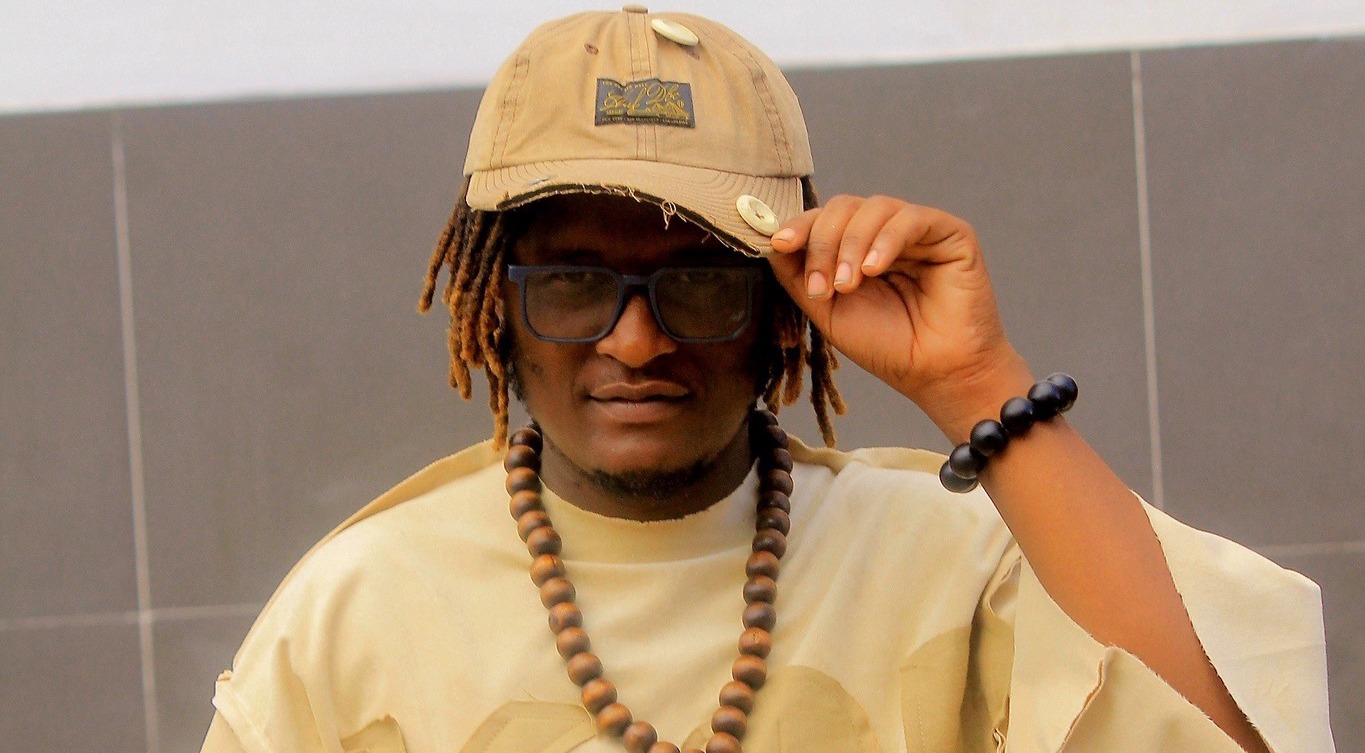
In a dazzling display of cultural pride and sartorial genius, George Takora’s designs stole the show at the National Arts Merit Awards (NAMA).
The Zimbabwean designer’s breathtaking creations for artists who include :Paddington Chiwashira and Sekuru Gudo didn’t just turn heads they sparked a national conversation about identity, heritage, and the power of fashion to tell a story.
My Afrika Magazine, caught up with the talented designer to dive deeper into his creative process and the inspiration behind these show-stopping looks.
“Honestly, I knew the pieces would spark conversation, but I didn’t expect the reaction to grow that big and that fast,”said Takora. Takora said with a smile. “Seeing the designs for Paddington Chiwashira and Sekuru Gudo travel across social media was humbling. It showed me that people are hungry for identity, depth, and authenticity in fashion.”
For Takora, the designs were more than just garments they were storytelling vessels.
“With those pieces, I wasn’t just dressing artists, I was telling a story. For Paddington, the design carried youthful boldness rooted in tradition. I wanted to show that our generation can wear heritage with confidence, not as costume but as identity.”
For Sekuru Gudo, the approach was more ancestral, honouring wisdom, rhythm, and cultural authority.
“The textures, structure, and detailing were intentional. It was about embodying spirit, not just style,” Takora explains.
At the core of Takora’s vision is the belief that Zimbabwean culture is not static, but evolving.
“Zimbabwean culture is not outdated it is evolving. It can sit comfortably on red carpets and still remain sacred. That’s why my motto for this year is ‘THREADS OF FUTURE PAST’,”said Takora.
As an Afrocentric and Afrofuturistic designer, Takora sees his work as a way of preserving narrative.
“We are not just creating clothes -we are preserving narrative,” he says.
For Paddington Chiwa, Takora chose structured yet fluid fabrics to mirror his bold, youthful energy.
“For Sekuru Gudo, I used heavier, organic textures in earth tones to reflect wisdom, heritage, and ancestral presence.”
The designer reflects on the importance of listening in true design leadership. “What I learned is that true design leadership is about listening. When you fully understand an artist’s spirit, the garment becomes an extension of their voice – not just something they wear, but something they embody.”
The introduction of the Outstanding Male Design category at NAMA is a significant milestone for Takora.
“For me as a designer, it means visibility and validation. Fashion has always played a critical role in how artists express themselves, but it hasn’t always been formally recognised within the arts conversation. This category acknowledges that design is not secondary it is part of the performance, part of the storytelling.”
Takora believes this recognition will raise the standard for the industry, pushing creatives to be more intentional, innovative, and culturally grounded.
“It also opens doors for young male designers to see fashion as a serious, respected path within the arts.”
Takora is also strongly focused on building stronger bridges between fashion, music, and cultural storytelling.