Madagascar’s President Appoints Ruphin Fortunat Dimbisoa Zafisambo as Prime Minister

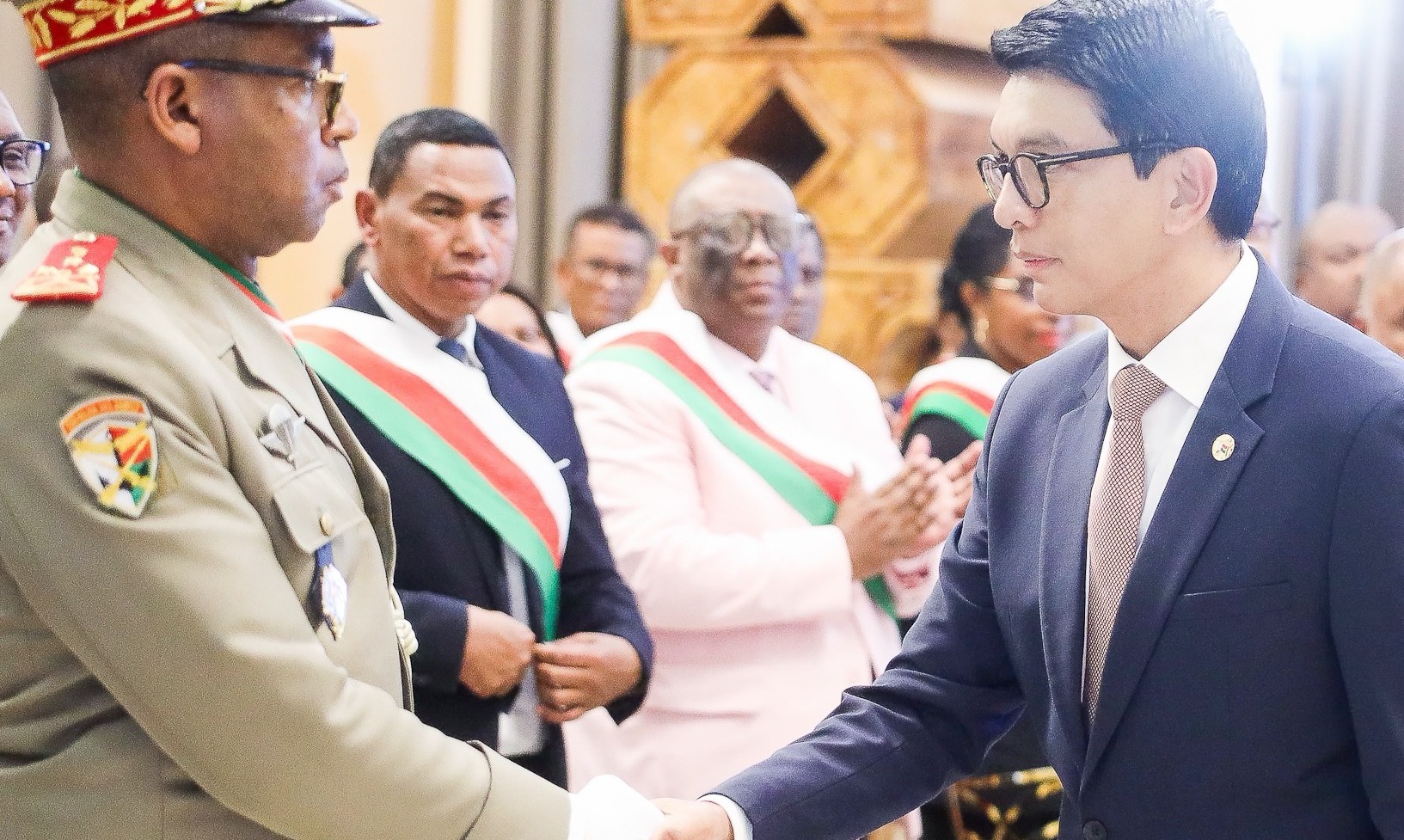
President Andry Rajoelina has appointed Ruphin Fortunat Dimbisoa Zafisambo as Madagascar’s new Prime Minister, following the dissolution of the government on 29 September amid widespread demonstrations over persistent power cuts and water shortages.
In a statement issued from the Presidential Palace on Monday, President Rajoelina said that the appointment of Zafisambo reflects the need for leadership capable of “restoring order and regaining the people’s trust.” He emphasised that the new administration’s foremost task will be to address the deteriorating living conditions and to advance national priorities, particularly the restoration of essential services such as electricity and water.
Before assuming his new role, Zafisambo served as the Director of the Military Office at the Prime Minister’s Office since 2021. His appointment is seen as an attempt to stabilise the political environment following weeks of unrest in major cities, including Antananarivo, where demonstrations escalated into violent clashes and instances of looting that caused significant economic losses.
President Rajoelina acknowledged the depth of public frustration during his recent address, stating that he “heard the call of young people” and recognised the anger and disappointment stemming from recurring shortages and unreliable infrastructure. His remarks underscored a broader understanding of the social pressures affecting Madagascar’s urban and rural populations, where uneven development and limited access to basic services have deepened inequalities.
The President reaffirmed that the new government’s priority will be to “meet the people’s aspirations” through practical reforms, particularly focusing on restoring power and water supplies “within the shortest possible time.”
Observers suggest that the appointment of Zafisambo, with his military administrative background, signals a move towards greater control and coordination in government operations while attempting to balance public expectations with the challenges of fiscal and infrastructural recovery.
Madagascar’s recent political developments highlight a broader regional dynamic in which African governments are confronting the dual pressures of governance reform and popular demand for accountability. Analysts within the Southern African Development Community (SADC) have pointed out that Madagascar’s stability remains vital to the Indian Ocean region’s political and economic balance, especially given its strategic maritime location and growing role in regional trade and energy discussions.
While the challenges facing Madagascar are far from unique, the appointment of Zafisambo reflects an evolving African political narrative that is increasingly inward-looking and self-determined, grounded in the pursuit of social cohesion, sustainable development, and governance that is accountable to local realities rather than external expectations.