Ecocynth Innovation Propels University of Zimbabwe to Victory at Enactus World Cup 2025

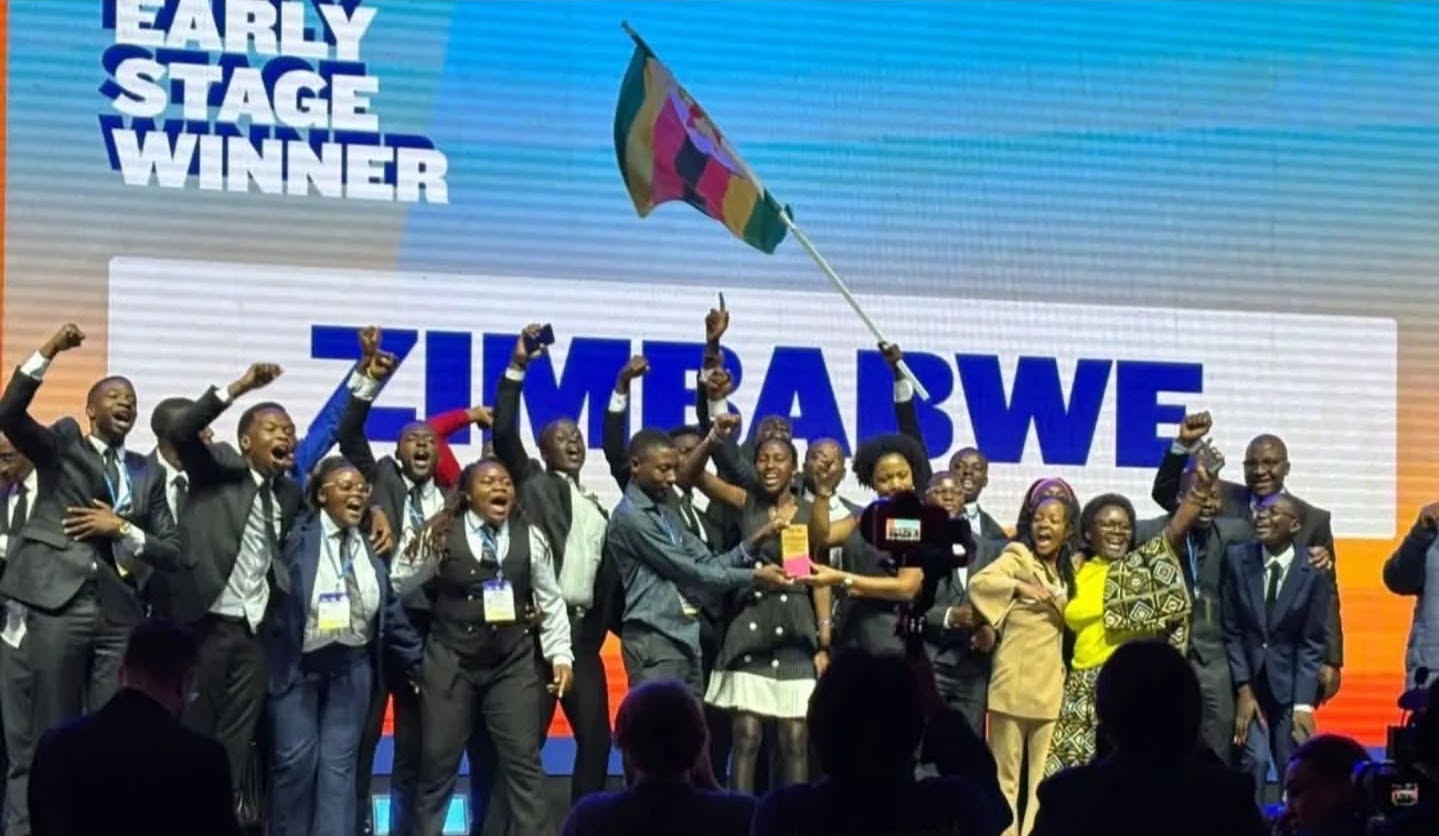
The University of Zimbabwe (UZ) has put the nation on the global innovation map after its student-led team, Enactus UZ, clinched First Place in their category at the prestigious Enactus World Cup 2025 held in Bangkok, Thailand this weekend. Their groundbreaking project, Ecocynth, tackles Zimbabwe’s persistent water hyacinth problem in the Mukuvisi River by transforming the invasive plant into eco-friendly paper and boards.
Celebrated for its ingenuity and community impact, Ecocynth impressed judges with its dual approach, environmental restoration and entrepreneurial action. By turning a destructive weed into a valuable resource, the project offers a sustainable solution to river pollution while creating business opportunities and employment.
Sibo Muteyiwa, Business Advisory Board Chair for Enactus Zimbabwe, applauded the victory:
“As the Business Advisory Board Chair, I am super thrilled to see them excel and shine on the global stage. Their hard work, long hours, pitches, and dedication to their enterprise project paid off. Well done for flying the Zimbabwe flag high.”
Zimbabwe’s presence at the competition was further cemented by Bindura University of Science Education (BUSE), which secured the runner-up position in the advanced projects global stage, reinforcing the nation’s growing reputation for youth-led innovation.
While Saint Mary’s University (Canada) walked away as the 2025 Enactus World Cup Grand Champion, with projects addressing food waste and plastic alternatives, Zimbabwe emerged as a global force to watch.
The four-day event drew over 1,800 participants, including more than 750 students from 29 countries, in a milestone edition that marked 50 years of Enactus and 25 years of the Enactus World Cup. This year also carried historic significance as Thailand hosted the competition for the first time in a decade.
For the University of Zimbabwe, this triumph is more than a trophy, it is a symbol of what African youth can achieve when innovation meets purpose. Ecocynth not only promises to clean rivers and restore ecosystems but also redefines how communities can turn challenges into opportunities.
With this victory, Zimbabwe’s young innovators have reaffirmed their place on the world stage, shaping a future where African ingenuity drives global solutions.