OPINION: ‘Is Agenda 2063 Achievable?’

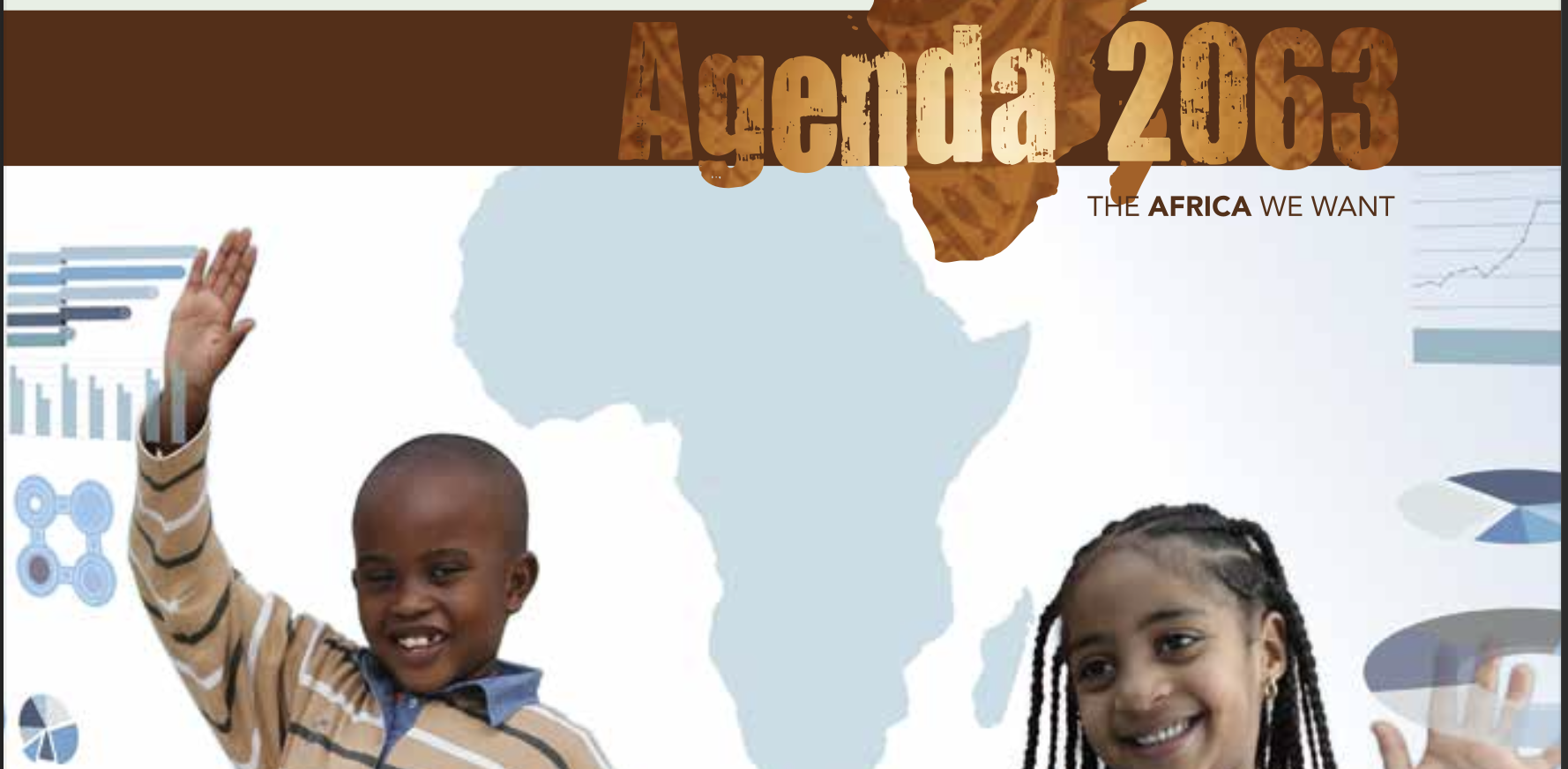
When the African Union adopted Agenda 2063 in 2013, the vision was bold: a prosperous, integrated, and self-reliant continent, driven by its own citizens and respected on the global stage.
It was meant to be Africa’s roadmap to the future — an Africa free from the lingering grip of colonial legacies and positioned to harness its vast natural and human resources. But more than a decade later, the question remains: is this ambitious dream attainable in the current political environment?
One of the biggest hurdles lies in the very borders that define African states. The lines drawn in Berlin in 1884–85 continue to divide communities, economies, and cultures that were once interconnected. These colonial borders have often been a source of conflict and have limited continental integration. Removing them physically may be politically complicated, but dismantling their restrictive impact is possible through deeper regional integration, free movement of people, and a commitment to pan-Africanism. The African Continental Free Trade Area (AfCFTA), which seeks to create the world’s largest single market, is a crucial step in that direction.
To achieve real economic freedom from former colonial powers, African nations must first reduce dependency on external actors. Too often, policies are shaped not in African capitals, but in Washington, Brussels, Paris, or Beijing. This dependence shows up in aid packages, trade agreements, and even security partnerships. For Agenda 2063 to succeed, African governments will need to prioritize intra-African trade, invest in local industries, and develop value chains that keep wealth on the continent rather than exporting raw materials only to import finished goods at higher prices.
Agenda 2063 – ‘The Africa We Want‘… READ FULL DOCUMENT HERE
Unity remains the missing link. Political rivalries, governance challenges, and competing national interests often derail collective progress. Yet, the power of solidarity cannot be ignored. When African nations speak with one voice in international forums, they command attention. When they negotiate trade deals as a bloc, they have leverage. And when they invest in cross-border infrastructure — from roads and railways to energy grids and digital networks — they lay the groundwork for true integration.
Young Africans are also central to this vision. With the continent’s population projected to double by 2050, the energy, creativity, and resilience of Africa’s youth could be the driving force behind transformation. But only if they are equipped with quality education, empowered with technology, and given the space to lead without being stifled by outdated political systems.
Agenda 2063 is not just a technical framework; it is a call to reimagine Africa’s place in the world. Achieving it will require courage from leaders, commitment from citizens, and a willingness to confront the ghosts of colonialism that still haunt governance and economics. It also requires Africans themselves to believe in the vision — to see themselves not as fragmented states boxed in by borders, but as one people with a shared destiny.
The road to 2063 is long, and the obstacles are real. But if Africans can move beyond imposed divisions and embrace unity in practice, not just in rhetoric, then the dream of a free, prosperous, and integrated continent may finally move from aspiration to reality.