Unpacking the Layers of Lemody Mhako: A Zimbabwean Artist Shaping the Narrative

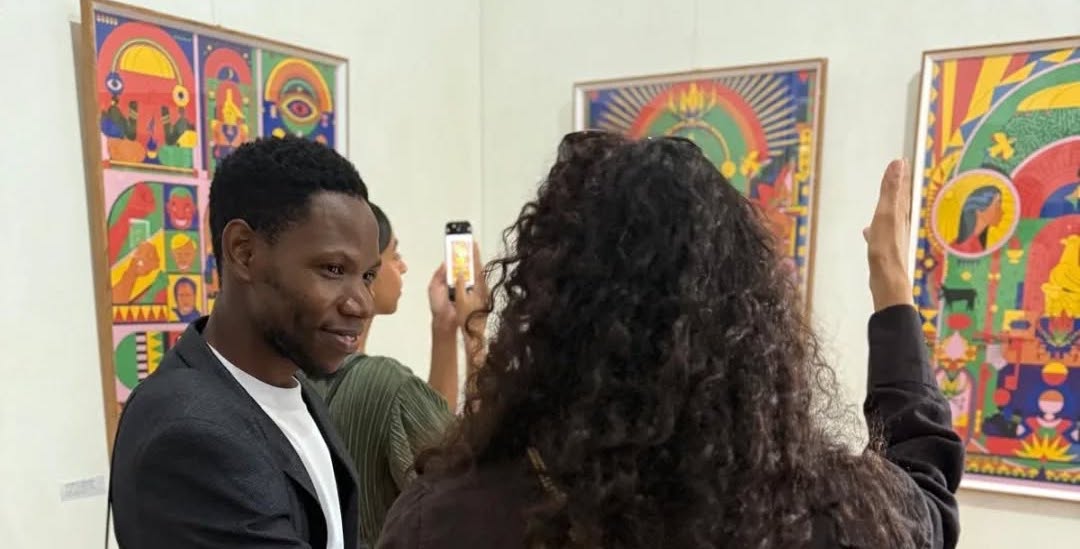
In a world where art transcends borders, one Zimbabwean creative is making waves with his unique creativity and unapologetic vision. Meet Lemody Mhako, a self-taught multidisciplinary artist who defies categorisation and pushes the boundaries of what it means to be an artist in the 21st century.
From wielding wood as a medium for reflection to dressing the nation in vibrant textiles, Mhako’s journey is a testament to the power of art as a universal language. But what drives this talented individual, and what’s the story behind his globally recognised work? How does he navigate the complexities of cultural identity, social commentary, and artistic innovation?
In this exclusive interview by My Afrika Magazine’s senior reporter, Tapiwa Rubaya (TR), Lemody Mhako (LM) opens up about his inspirations, experiences, and the ideas that fuel his creativity.
TR: Could you give us a quick “hello” and tell us a bit about who you are and what drives you?
LM: Hello so I’m a self taught multidisciplinary artist and I’m driven by the circumstances I grew up in.
TR: How would you describe the style or medium that defines your artwork?
LM: I’m a conceptual artist and recently I have been fascinated by wood as a medium to represent ideas of reflection as carpentry gas become the major source of income in a high density surbab of Glen view home industry and that has influenced my work.
TR: Your pieces have traveled worldwide—if you had to pick a favorite country you’ve exhibited in, which would it be and why?
LM: China because it is the home of one of my great influencers Ai Wei Wei to whom my work is mostly referenced from for inspiration.
TR: What are some of the biggest lessons you’ve picked up from showcasing your art in different cultures and settings?
LM: Art is universal and that true art gives a true representation (reflection) of our time.
TR: You once worked as a graphic designer for the Zimbabwe‑Germany Society. How did that experience shape your approach to visual storytelling?
LM: To give a true representation and reflection of our times.

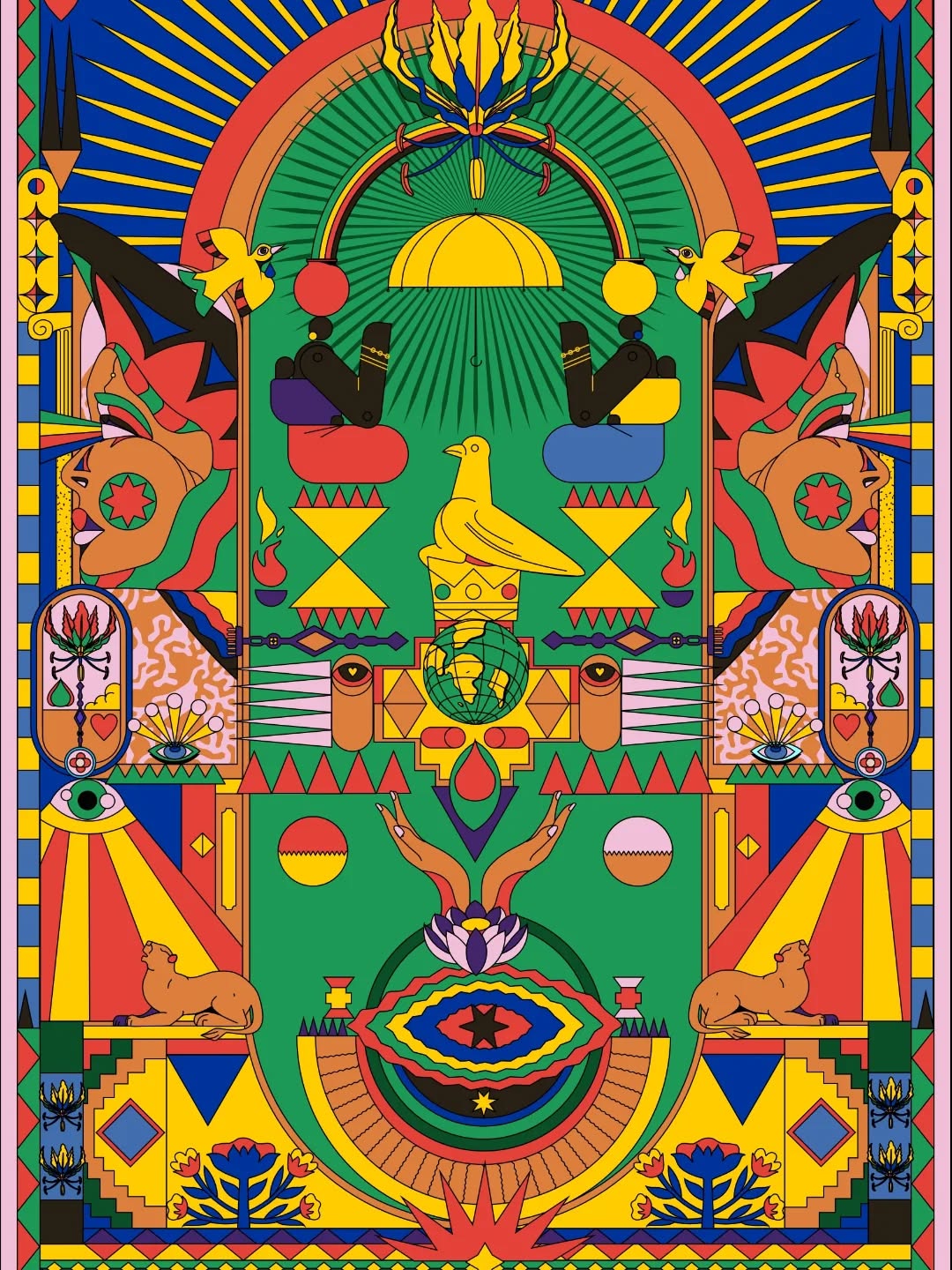
TR: Your recent exhibition caught the eye of the EU ambassador and led to the launch of the 2026 art calendar. What was it like to have your work featured on such a platform?
LM: What more does an artist need than to get his/her work on such platforms. I want my art to have a universal impact and such platforms allows me to do just that and I’m grateful for that.
TR: The “Mwana Wevhu” exhibition sparked a lot of conversation. What was the core idea or story behind it?
LM: To give a true representation and reflection of our times.
TR: In your view, why does art matter within the broader arts sector, especially in Zimbabwe?
LM: It gives people a genuine perspective of our status quo without window-dressing it.
TR: You’ve also ventured into the clothing sector with some of your pieces. Can you walk us through that project and what it meant for you?
LM: I deeply appreciate the creative industry and I feel as artists we are obliged to lobby a culture of innovation in every sense thus we end up bluring all these boundaries in a bid to shape it the way we like it. I love fashion and I want to hear my influence in the textile patterns and the celebrition of our heritage. I’m bored with how our country is represented and at times it feels cliché and I want to bring the excitement. That’s the right way to build up a culture that’s not only patriotic and proud of being Zimbabweans.
TR: Looking ahead, what’s the next big thing you’re excited to explore in your practice?
LM: I’m in the lookout for any opportunity to lift Zimbabwean flag up high. So there are going to be big works full of ideas that can’t be ignored. And I wish to keep it experimental.