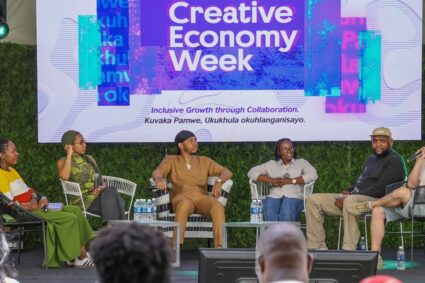
The Revival of Community Arts Centres: A Catalyst for the Creative Economy

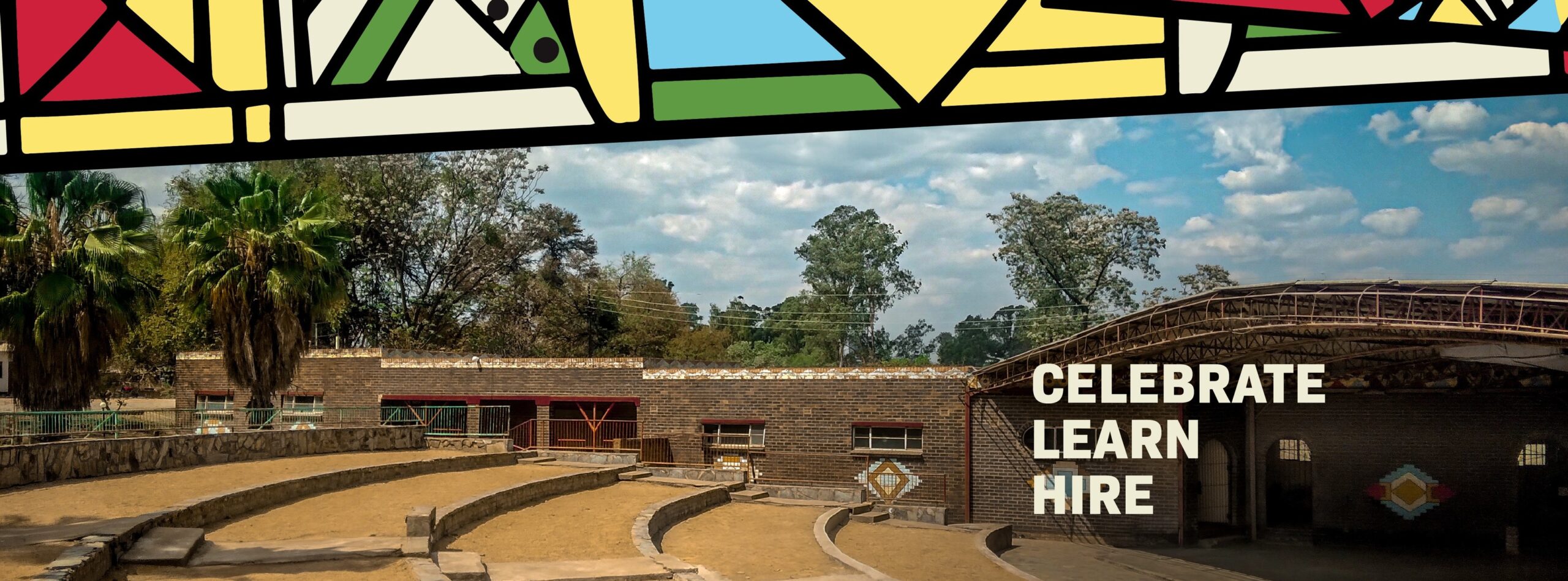
Community arts centres play a pivotal role in shaping the creative economy, serving as incubators for talent, culture, and community engagement. Recently, during a visit to the Amakhosi Culture centre in Bulawayo, I encountered a young gentleman who reflected on the centre’s storied past, describing it as the “Hollywood of Zimbabwe,” once a hub for world-class productions that attracted both local and international audiences. However, he lamented how it had fallen into disrepair, a “white elephant“, until recently, when a resurgence of activity breathed new life into the space.
As I engaged him in conversation, he pointed out a striking observation: “Look around you. What is common on all these houses in the area?” He then noted the prevalence of satellite dishes, suggesting that these had fostered a culture of aspiration for foreign entertainment over local artistry. This sentiment raises critical questions about the influence of media on cultural identity. Have we become so enamoured with external content that we have neglected our own creative heritage?
The young man reminisced about a time when Amakhosi was a place where people gathered to learn about their culture through theatre, song, dance, and art. He emphasized that this centre groomed storytellers who became vital voices in the community. As he articulated, “This place inspired the people,” reflecting a deep-seated truth about the importance of local narratives.
This cultural disconnect is not merely anecdotal; it aligns with academic discourse on the effects of globalization on local cultures. As sociologist Arjun Appadurai notes, “The globalization of culture is not simply about the spread of Western culture; it is about the complex interactions between local and global cultures.” The overwhelming presence of foreign media can overshadow local creativity, leading to a sense of inferiority among artists and audiences alike.
The challenge lies in reversing this trend. Why are local audiences drifting away, and how can we re-engage them while staying true to our artistic visions?
Fortunately, the current buzz of activity at Amakhosi offers a glimmer of hope. Young creatives, possibly unburdened by the frustrations of older generations, are eager to reclaim their cultural space. Gcina Mhlanga, who is the current director, embodies this fresh perspective. Her vision could be the catalyst that propels Amakhosi back to its former glory. As she and her contemporaries take charge, it is essential for community arts centres to offer robust programming that captivates and retains the interest of local audiences. This engagement can take many forms, from workshops and performances to collaborative projects that invite community participation.
Investing in community arts centres is crucial for the creative economy. They not only nurture talent but also foster social cohesion and cultural pride. As noted by cultural theorist Richard Florida, “Creative communities are built on the fusion of talent, technology, and tolerance.” Supporting these spaces can lead to a vibrant cultural landscape that benefits everyone.
To win back local audiences, we must prioritize the following:
1. Inclusive Programming: Develop diverse programming that reflects the interests and experiences of the community.
2. Collaboration with Local Artists: Encourage partnerships between established artists and emerging talent to create mentorship opportunities.
3. Community Engagement: Host events that invite community members to participate in the creative process, fostering a sense of ownership.
4. Promoting Local Narratives: Highlight stories that resonate with the community, reinforcing cultural identity and pride.
The revival of community arts centres like Amakhosi is not just about preserving artistic heritage; it is about forging a path toward a sustainable creative economy. We can reclaim our cultural narratives and inspire future generations by investing in these spaces and nurturing local talent. As the young gentleman aptly stated, the future is bright, and the creative community is ready to rise again—unapologetically embracing their cultural identity.
SOURCES:
https://schallertech.com/en/social-and-cultural-impact-of-performing-arts-centers/
https://placebrandobserver.com/richard-florida-interview/
https://fountainmagazine.com/all-issues/2000/issue-32-october-december-2000/modernity-at-largecultural-dimensions-of-globalization