THE INDEPENDENT’S PLAYBOOK: Building a Sustainable Music Ecosystem from the Ground Up

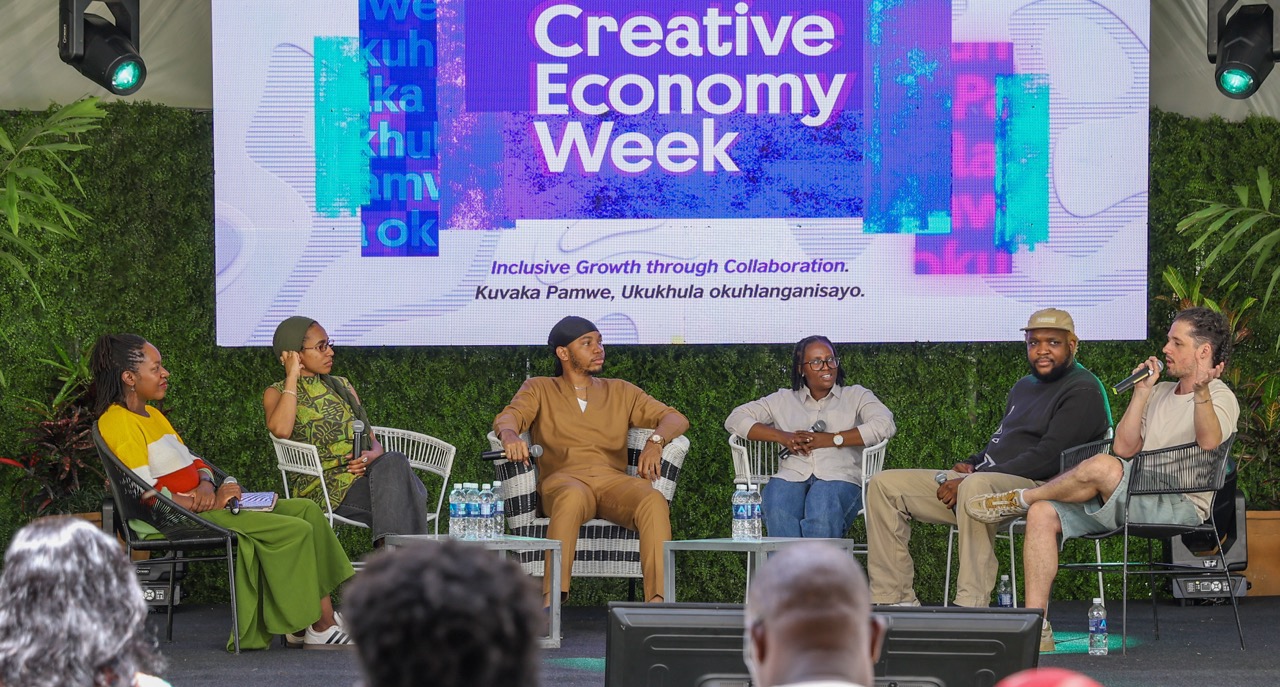
The global spotlight on African music has never been brighter. From the airwaves of Lagos to the clubs of London, our sounds are defining the modern cultural moment. But as I sat down to moderate a powerhouse panel during the recently held Creative Economy Week in Harare,Zimbabwe —featuring industry practitioners Akachi Igboko, Kefiloe Molefe, Takudzwa Dzinoreva, Daviaa, and Binta Yade—the conversation quickly shifted from the glamour of global hits to the grit of the “engine room.”
For the independent musician, the “Moment” is fleeting; the “Ecosystem” is what lasts. In a candid, no-nonsense roundtable, our panelists cut through the noise to deliver a blueprint for turning artistic passion into a resilient, scalable career.
Here are the three pillars of the new African music economy.
Productivity is the New Currency: The panel opened with an urgent truth: in an era where streaming catalogs swell by the thousands every day, consistent output is non-negotiable. If you aren’t releasing, you aren’t being discovered.
However, “consistency” doesn’t have to mean “high budget.” The speakers urged artists to embrace creative partnership models. Think co-releases with producers, split-rights arrangements, and barter-based collaborations. These are the real-world systems that allow you to keep making music regularly, even when funds are tight. The takeaway was clear: prioritize the system that lets you create at a modest scale over the “one-hit wonder” gamble.
Content as the Bridge to Connection: “Content is king,” the room declared, but with a twist. It isn’t just about the music anymore; it’s about the personality and the process.
Modern audiences crave the narrative arc. They want to see the raw studio moments, the behind-the-scenes clips, and the evolution of a song from a hummed melody to a finished track. Our experts suggested practical “content batching”, dedicating specific days to shoot tutorials, Q&As, and performance clips. By documenting the journey, you allow the audience to feel invested in your progress, turning a casual listener into a stakeholder in your success.
Professionalizing the “Hustle”: The most striking part of the discussion moved beyond craft and into the mechanics of the industry. To survive, an artist must be a competent operator of their own career.
- The Small Business Mindset: Multiple speakers urged artists to adopt formal structures—bookkeeping, contracts, and professional timelines. Treating your music like an enterprise clarifies your priorities and, more importantly, makes you a more attractive partner for brands and promoters.
- The “Owned” Fanbase: We drew a sharp distinction between vanity metrics and meaningful engagement. Promoters don’t book “followers”; they book artists who can move people into a room. The panel advised focusing on “owned” platforms—email lists, WhatsApp groups, and Telegram channels—where you have a direct line to your fans that isn’t at the mercy of an algorithm.
- Micro-Activations: Big digital pushes are great, but small-scale, high-touch initiatives like intimate listening parties and regional fan-sourced campaigns build the kind of deep loyalty that broad marketing cannot buy.
Perhaps the most liberating advice was the call to “narrow the focus.” By defining a niche audience and tailoring your identity to them, you simplify your entire strategy. A clear identity makes it easier to choose who to collaborate with, where to book shows, and how to message your brand.
We closed on a note of “cross-pollination.” In a crowded global scene, sustained systems and human connection are the assets that outlast any viral moment. Whether it is finding a mentor to temper your idealism with realism or collaborating with a peer to expand your reach, the message was unanimous: we grow faster when we grow together.
For the independent African artist, the promise is clear. If you create consistently, run your career like a business, and cultivate a community that truly shows up, you aren’t just making music—you’re building an empire.