King Mswati III Urges Innovative Solutions for Landlocked Nations at UN LLDC3 Conference

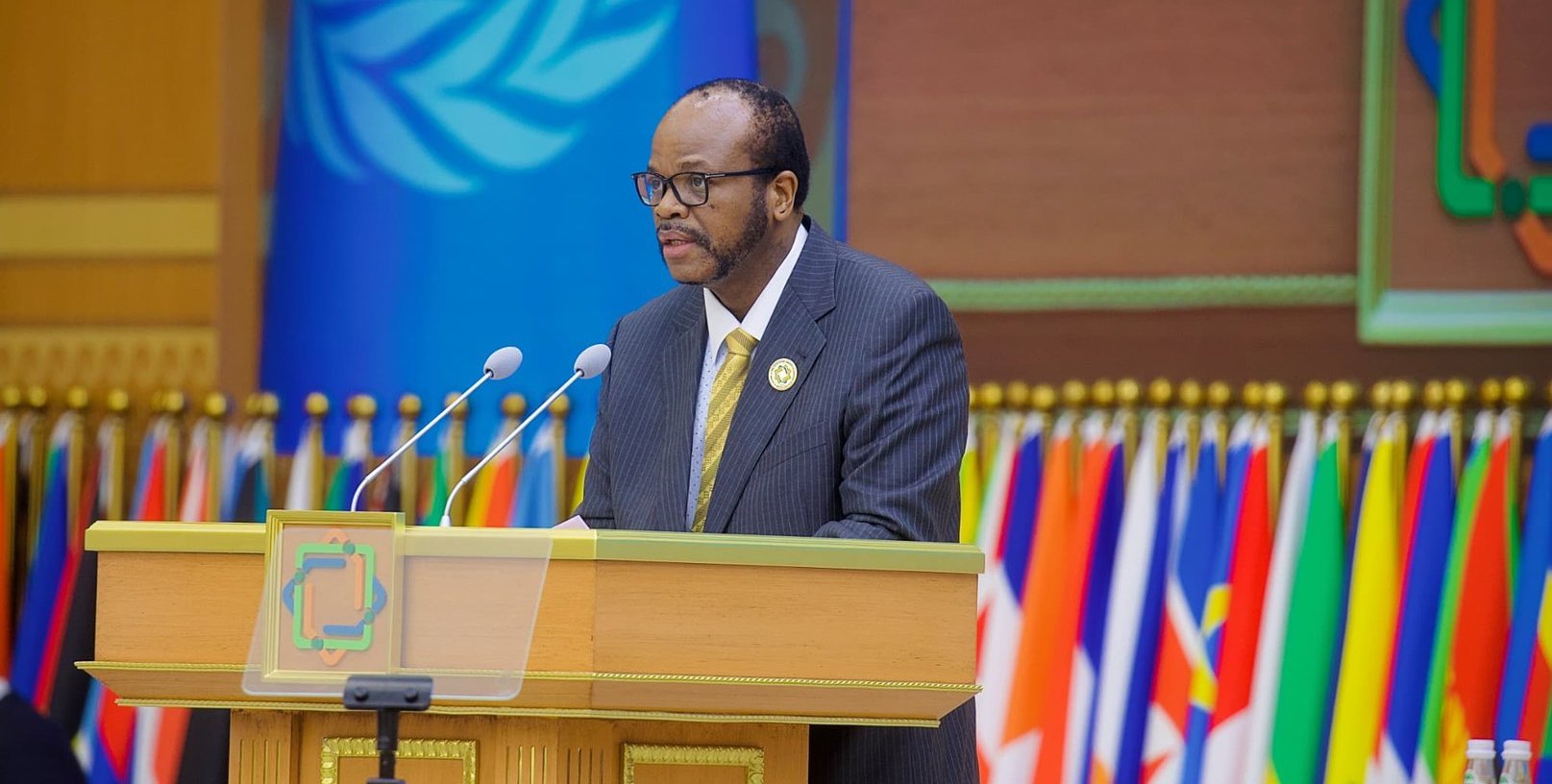
NEW YORK – His Majesty King Mswati III has called for greater innovation, regional integration, and global partnerships to overcome the unique challenges faced by landlocked developing countries (LLDCs), as he addressed the 3rd United Nations Conference on Landlocked Developing Countries (LLDC3).
Highlighting Eswatini’s struggles, the King noted that landlocked nations often pay twice the transport costs of their coastal neighbors, reducing competitiveness and discouraging investment. “For Eswatini, being landlocked is not just a geographic condition but a daily development challenge,” he said. “High transport costs and vulnerability to global shocks slow our progress. Yet, these challenges inspire us to think innovatively and seize opportunities for cooperation.”
King Mswati outlined Eswatini’s vision to become a land-linked nation, with ongoing investments in rail upgrades, streamlined customs procedures, and digital infrastructure to connect people, communities, and markets more efficiently. These measures, he said, are already fostering regional integration, economic diversification, and job creation.
Eswatini’s economy grew 8% in 2024/2025, with mining and construction sectors achieving double-digit growth. The King credited stronger Southern African Customs Union (SACU) receipts, improved local revenue collection, and support from multilateral programs for helping to narrow the fiscal deficit and reduce public debt.

Partnerships and trade facilitation remain central to Eswatini’s strategy. The country has ratified the WTO Trade Facilitation Agreement and, in collaboration with the World Bank, launched a National Trade Information Portal to simplify trade procedures and boost private sector engagement.
“Through active participation in regional and international markets, we advance connectivity and trade,” King Mswati said, reaffirming Eswatini’s commitment to Agenda 2030 and the African Union’s Agenda 2063.