Inside ‘Bad Influencer’: Kudi Maradzika on Redefining African Storytelling

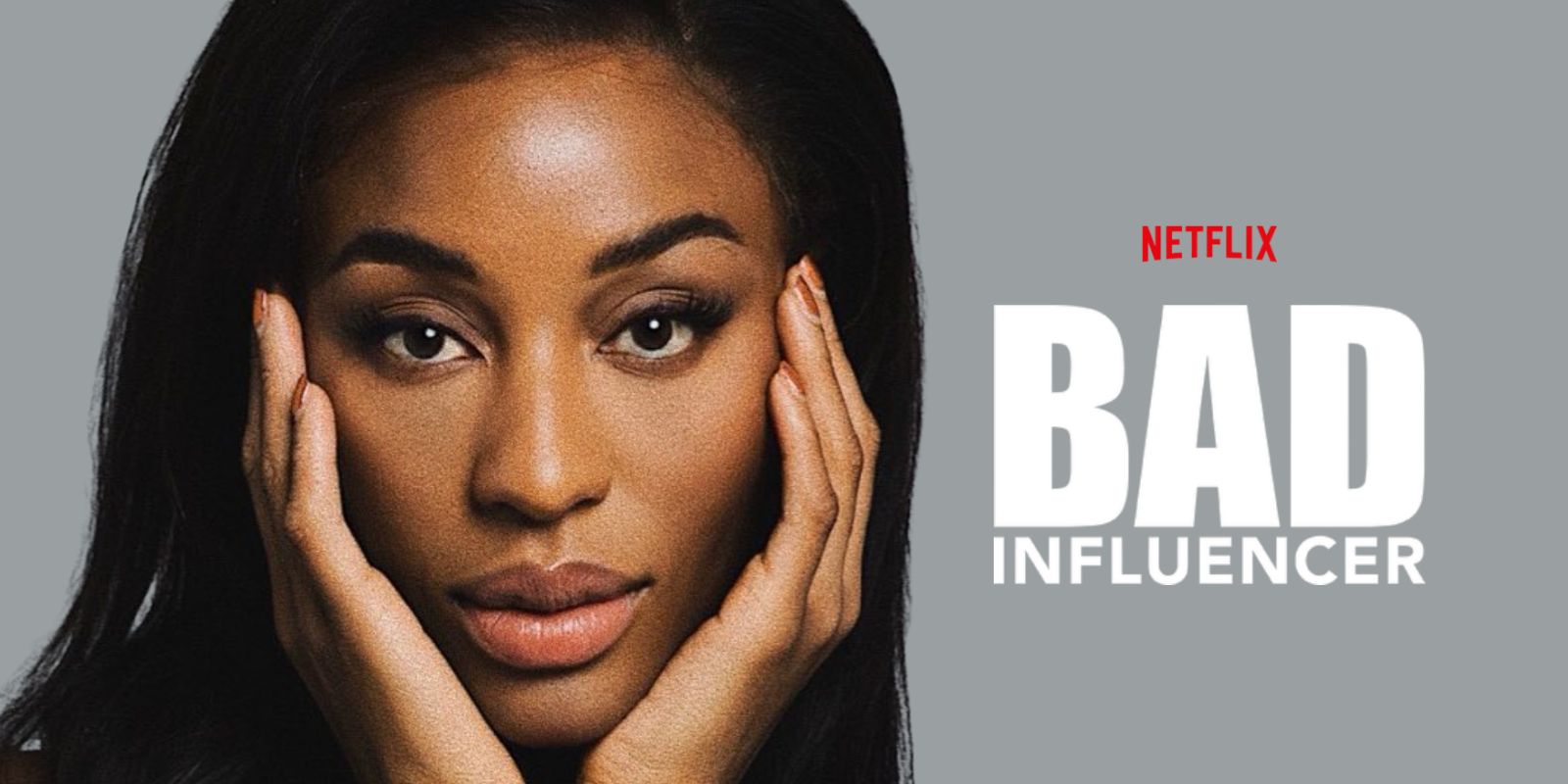
Exclusive By Nico Abote (NA) – A binge-worthy watch that hooks you from the first frame, Bad Influencer is Netflix South Africa’s latest gem, a sharp, stylish African crime drama created by Zimbabwean storyteller Kudi Maradzika. The series pulls viewers into Johannesburg’s chaotic influencer scene with all its glamour, grit, and moral grey zones.
What struck me most, beyond its high production value and stellar cast (including my good friend Modise Motaung), is the subtle brilliance of hearing Shona dialogue amid the Joburg hustle. That simple choice speaks volumes. It’s a nod to the Zimbabwean diaspora in South Africa and a statement about representation in modern African storytelling. It’s not just entertainment; it’s identity, strategy, and powerful cross-cultural storytelling.
Kudi Maradzika (KM), a screenwriter, director, producer, and founder of Lincoln Green Media, has built a body of work that spans Netflix, Showmax, Amazon Prime, MTV, and Comedy Central. In this exclusive conversation, we talk about Bad Influencer, the fine line between authenticity and aspiration, and how African storytellers are reshaping the global entertainment landscape. She is the creator, co-head writer, and executive producer of the show.
Kudi shares her creative journey with Nico.
NA: How did you conceive the idea for Bad Influencer, and what personal or real-world experiences shaped it?
KM: I used to be a part-time influencer, and I would get brand packages for products to post, and I’d sometimes fall behind in making the content. One day, I expressed this to a friend, in exasperation: ‘I’m such a bad influencer,’ and lo and behold, the idea was born from there. I entered the idea into the Realness Netflix Episodic Lab, and four years later, we are here.
NA: The show explores fake luxury, social media culture, and Joburg hustle culture. What would you like audiences to take from that juxtaposition?
KM: That there isn’t a clear black and white, the story exists in a moral grey zone. This was intentional, not to be too preachy to the audience and to allow space to let them make their own minds up about the characters and what they were about.
NA: As creator, EP, and co-head writer, how did you balance vision with production realities?
KM: Clarity and conviction. You build a world, you cast it with precision, then you lead with discipline and collaboration. We had the pressure of scale and expectation, but I held the creative spine tightly in the script and the natural pace the script brought, which translated on screen.
NA: BK and Pinky’s dynamic is central to the show. How did you shape their arcs?
KM: They represent two sides of feminine survival. BK leads with grit and responsibility; Pinky leads with performance and aspiration. Both are trying to win. Their journey is really about agency: how women reinvent themselves to survive modern pressure.
NA: You once dipped into influencer culture. How much of this is personal?
KM: The humour, detail, dialogue, and awkwardness are real. I took moments from real life and expanded them into a world where one wrong choice can become a national scandal. It’s true with adrenaline.
NA: As a Zimbabwean-born filmmaker telling a South African story, how does it feel seeing it on Netflix?
KM: It feels surreal, honestly, but I am so grateful. BK speaks Shona because she is part Zimbabwean. The show purposefully incorporated all the languages you would hear in Johannesburg because hearing Shona and isiZulu in a global show matters to me.
NA: What roadblocks did you face, and how did you navigate them?
KM: The only roadblock is the realisation that creating a show like this takes time, so patience is required.
NA: How do you see African storytelling evolving in the digital era?
KM: Young African creators are not waiting for permission anymore; we’re building ecosystems and audiences that travel beyond borders with the resources we have. I love it.
NA: What’s next?
KM: I’m expanding worlds from crime, to myth, to high-concept genre for TV, comic books, novels and film.
Read more about Kudi Maradzika here.
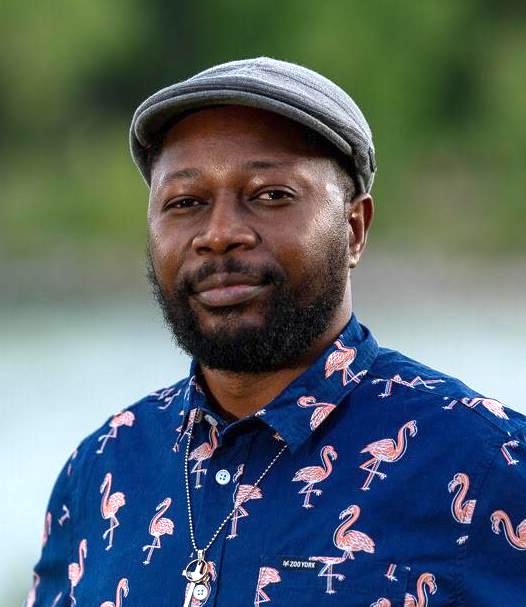
Nico is an award winning filmmaker, media professional, creative strategist, lead consultant at Abote Media and co-founder of 263 Africa Media. With over 20 years of experience spanning Africa and North America, he specializes in digital storytelling, content strategy, and film production.
Nico currently serves on several boards including Vice President – LOUD Art Society (Calgary, CA), TEF (Nigeria), Chengeto Africa (Southern Africa), Blackstar Int. Film Festival (Ghana), Zimbabwe Fashion Week, and Hunhu Council of Fashion (Zimbabwe). He advocates for positive & uplifting narratives through media and the arts.