‘Harmonies of tomorrow’

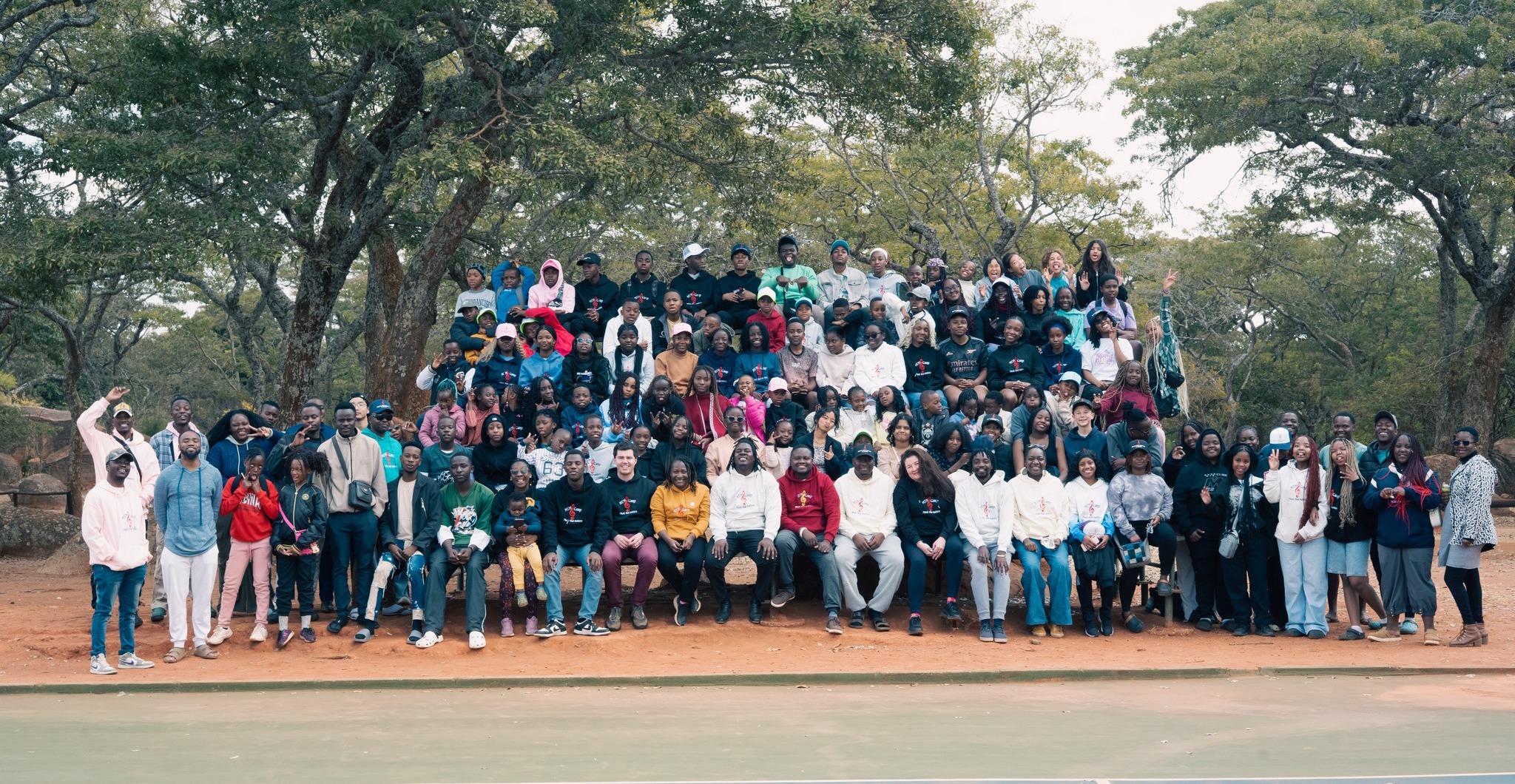
I found myself amidst the nostalgic atmosphere of a Joe Thomas concert in Harare, Zimbabwe. As the crowd swayed to the music, I was pleasantly surprised to spot two familiar faces in one of the opening acts. These young musicians, brimming with talent and energy, were alumni of the Music That Matters (MTM) camp, a program I was set to present at the following day. It was a serendipitous reminder of the profound impact that music education can have on young lives.
Held in August at the picturesque Peterhouse Girls in Marondera, the Music That Matters camp is a week-long residential program designed for musicians of all skill levels. From beginners to advanced players, participants immerse themselves in a rich tapestry of musical activities, including workshops, rehearsals, and a grand finale concert that showcases their hard work. The camp offers an array of programs that cater to various interests: orchestras, choirs, marimba groups, and jazz bands. The environment fosters collaboration and creativity, allowing attendees to thrive both musically and personally.
The following day in Marondera, I shared my excitement with Theresa Covinni, the passionate music educator who runs the camp. I spoke of the pride I felt seeing those young alumni performing alongside some of Zimbabwe’s top musicians. It was a testament to the transformative power of MTM. This year, over 100 participants from Zimbabwe, Botswana, Zambia, and South Africa attended the camp, an impressive leap from the modest 11 students who were part of the inaugural session over 10 years ago.
This growth reflects a burgeoning appreciation for music education and its vital role in shaping the lives of young people. Music is not just an art form; it is a universal language that enables connection, creativity, and confidence. In a world increasingly driven by technology and rapid change, music education stands as a beacon of hope. It cultivates essential life skills such as discipline, teamwork, and emotional intelligence. Learning to play an instrument or sing in a choir teaches young people the value of perseverance and hard work. Moreover, it provides a safe space for self-expression, allowing individuals to explore their identities and communicate their feelings.
Studies have shown that students involved in music programs often perform better academically and exhibit improved social skills. They learn to collaborate, share ideas, and support one another, qualities that are invaluable in today’s interconnected world.
In my presentation, I delved into the concepts of the creative economy, emphasizing the urgency for young talents in Zimbabwe to engage with these ideas now. The goal is not only to unlock Zimbabwe’s untapped creative potential but also to reframe the narrative surrounding careers in the arts, from hobbies to viable, high-growth professions. By exploring the vast opportunities within the creative economy, we can inspire aspiring artists and innovators to envision careers that are both fulfilling and financially sustainable.
A significant part of our discussion centered on cultural heritage and the rich traditions that fuel diverse artistic expressions. To illustrate this connection, I invited representatives from each participating country to showcase an aspect of their culture through creative expression. Some chose to perform traditional dances, while others sang folk songs that echoed the histories and values of their communities. However, I was taken aback when the Zimbabwean delegation performed “Mapurisa,” a contemporary Zimbabwean pop song by Andy Brown, rather than a traditional piece. While this choice highlighted the vibrancy of modern Zimbabwean music, it also sparked a deeper reflection on cultural identity. This selection could suggest a shifting perception of what it means to be Zimbabwean in today’s world.
Opting for a pop song may indicate that the youth are embracing contemporary influences as a way to connect with a modern identity. It raises questions about how they view their roots in a rapidly changing global landscape. Are they drawn to popular culture as a means of expression, or does this choice reflect a desire for recognition and relevance in a world that increasingly celebrates modernity?
This juxtaposition between traditional and contemporary art forms opens a dialogue about cultural evolution. While it’s essential to celebrate contemporary expressions, we must also encourage young artists to explore and honour their rich cultural heritage. Balancing these influences could be key to nurturing a creative economy that respects the past while innovatively shaping the future.
Ultimately, this experience reinforced my belief in the importance of cultural education as a foundation for artistic expression. By understanding their heritage, young artists can draw inspiration from their roots while confidently navigating the global creative landscape. It is clear that initiatives like MTM are crucial for nurturing the next generation of musicians and leaders. They provide a platform where creativity flourishes, friendships are forged, and futures are brightened. The journey of these young musicians is just beginning, and I am excited to see how far their talents will take them. Music truly matters, and as we invest in our youth, we invest in a harmonious tomorrow