Ethiopia Inaugurates Grand Renaissance Dam: A Historic Symbol of Power, Unity, and African Self-Reliance

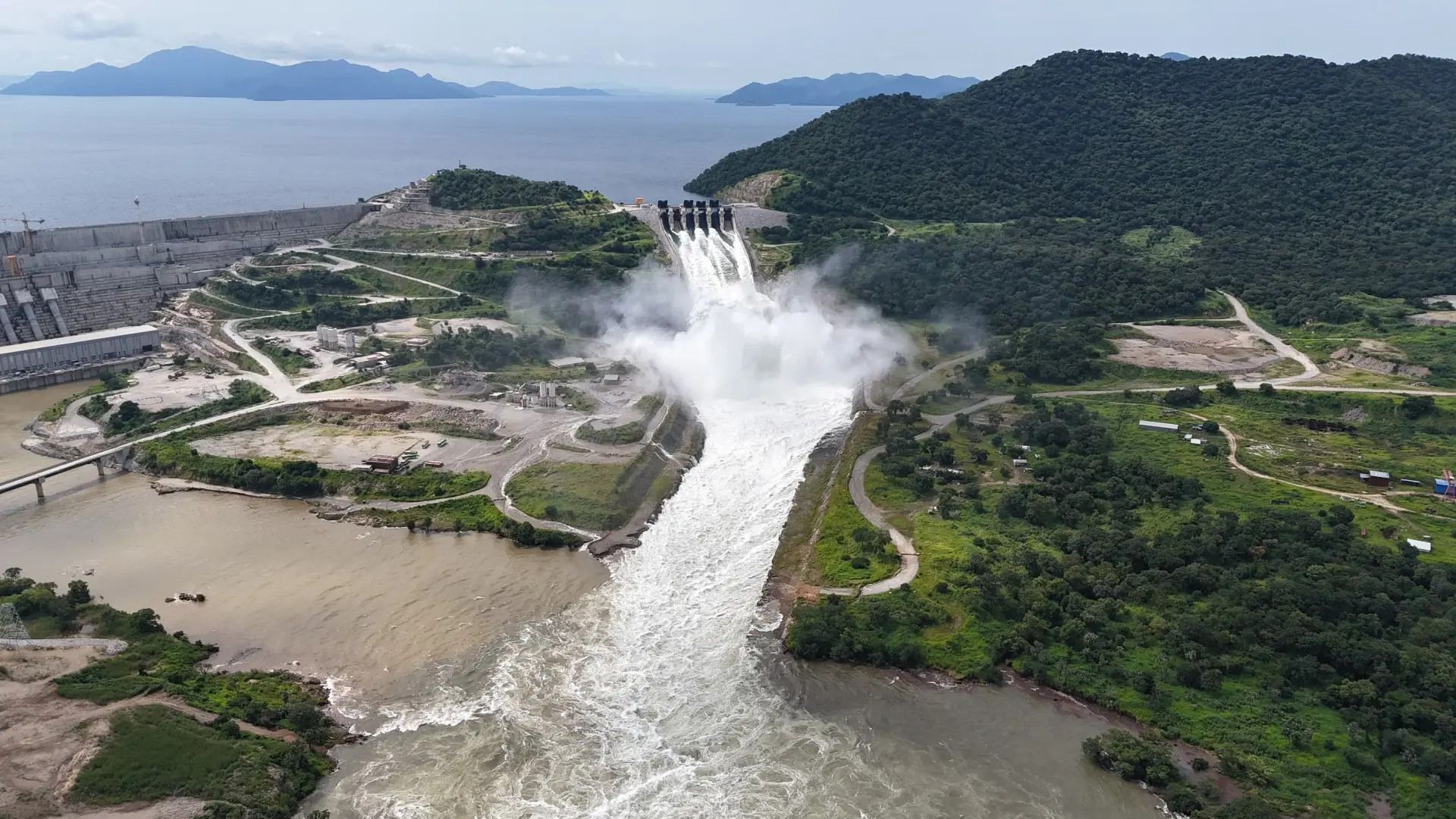
The Grand Ethiopian Renaissance Dam (GERD), Africa’s largest hydropower facility, has officially been inaugurated in Ethiopia’s Benishangul-Gumuz Region. The landmark project, entirely funded by Ethiopians through domestic resources and government bonds, now stands as both a national triumph and a continental symbol of self-reliance.
Delivering over 5,000 megawatts of clean energy, the dam is set to double Ethiopia’s energy production, light up millions of homes, power industries, and export electricity to neighboring countries including Kenya, Sudan, Djibouti, and Tanzania. For many across Africa, GERD represents more than infrastructure — it is a generational dream come true.
Prime Minister Abiy Ahmed Ali called the completed project “a testament to Ethiopia’s resolve and a beacon for Africa’s future.” His remarks were echoed by Dr. Workneh Gebeyehu, Executive Secretary of the Intergovernmental Authority on Development, who described GERD as “a symbol of what determination and leadership can achieve.”


The inauguration was attended by regional leaders, underscoring the dam’s continental importance. President Salva Kiir of South Sudan praised it as “a symbol of unity, sacrifice, and determination,” while Kenya’s President William Ruto hailed it as “a bold affirmation of Africa’s ability to marshal its own resources and shape its destiny.” He further confirmed Kenya’s readiness to sign a power purchase agreement to offtake surplus electricity from Ethiopia, saying the dam will strengthen industries, ICT hubs, and manufacturing while creating jobs.
The GERD, with an installed capacity of 5,150 MW and potential to reach 6,450 MW, is being compared to Ethiopia’s historic victory at Adwa for its symbolic weight in affirming sovereignty and progress. Hadera Abera Admassu, State Minister of Foreign Affairs, called it “the nation’s most significant accomplishment since Adwa.”
However, while widely celebrated, GERD continues to spark debate among Nile Basin countries. Egypt and Sudan have long expressed concerns over water security, while Ethiopia maintains that the project is crucial for its development and will also benefit the region through shared electricity. President Ruto urged all parties to pursue dialogue in good faith, stressing that “dialogue and compromise remain the surest path to a fair agreement that safeguards prosperity and stability for all.”

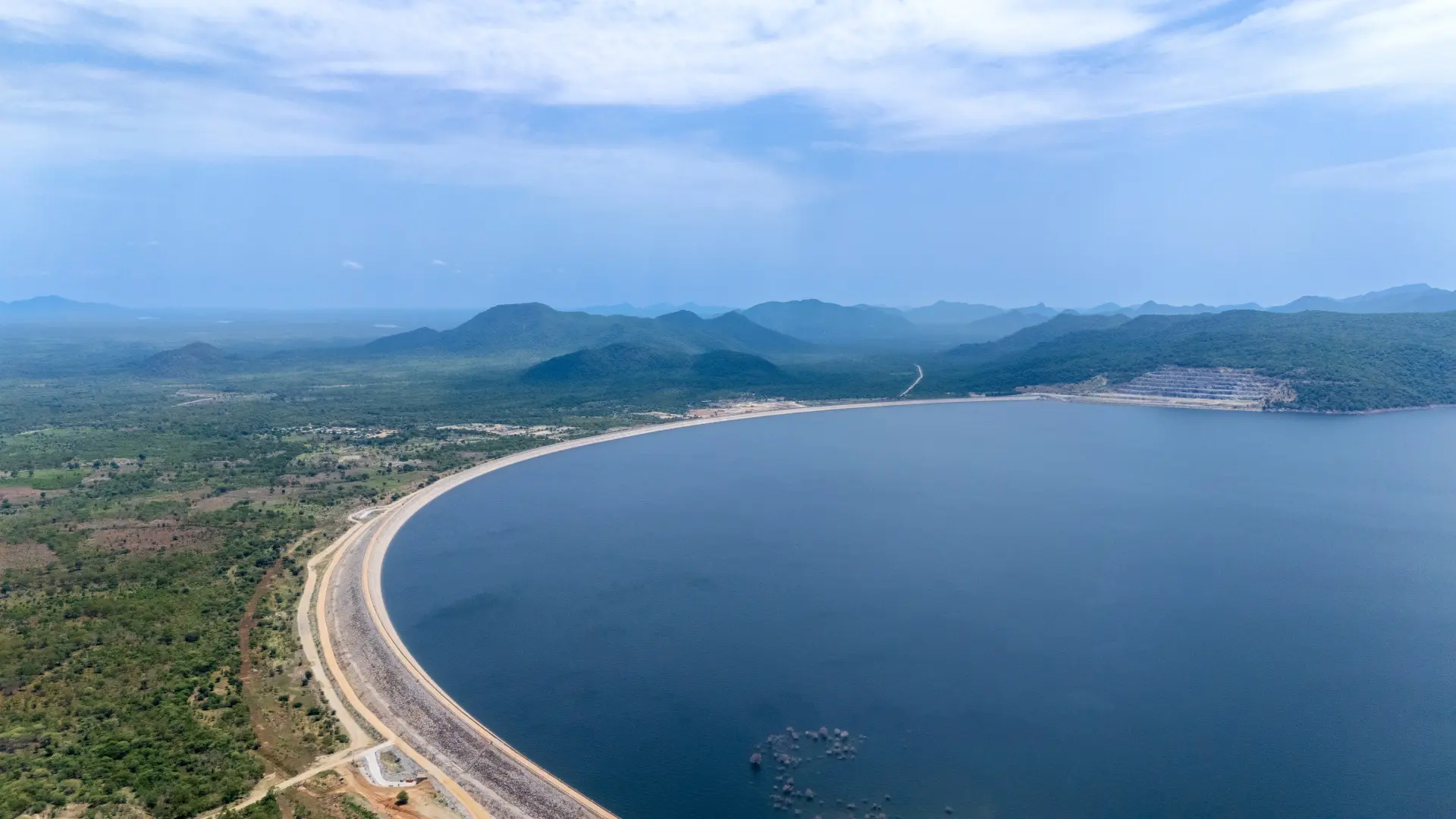
Beyond the politics, the dam is already reshaping Ethiopia’s future. Its capacity is equivalent to three medium-sized nuclear power plants, and its construction has created a new sense of national pride. By shouldering the cost entirely through public contributions, Ethiopians see GERD as proof of their ability to deliver world-class infrastructure without external funding.
As the turbines now generate power, the Grand Ethiopian Renaissance Dam stands as both a practical source of energy and a powerful emblem of Africa’s resilience and ambition. For Ethiopia, it marks the dawn of energy independence. For the continent, it signals a bold step toward shared prosperity.