A Taste of Heritage: Zimbabwe’s Traditional Cookout Boosts Gastronomy Tourism

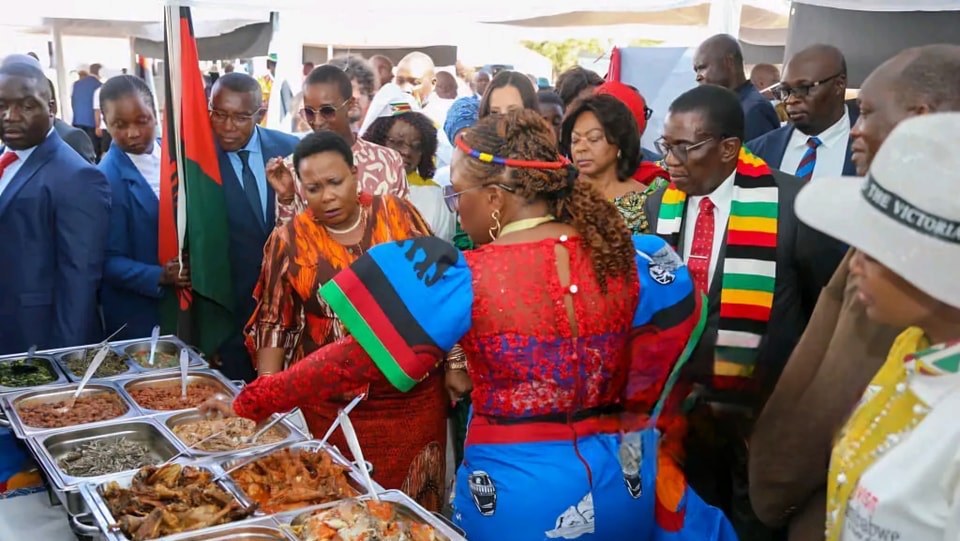
The first ever Regional Forum on Gastronomy Tourism for Africa by UNTourism was held last year in Victoria Falls and it was a success. Gastronomy in general highlights traditional dishes thereby promoting culinary tourism and cultural appreciation. Lately, the Traditional Cooking Competition has made a mark in the tourism circles with the patronage of the First Lady Dr Auxillia Munangagwa.
In simpler terms, the national cooking competition is part of a broader strategy to develop gastronomy tourism in Zimbabwe. For a national program it has provincial events that lead up to a national final. The First Lady is bringing back all those traditional recipes that showcases traditional Zimbabwean cuisine with unique dishes, traditional ingredients and cultural practices to boot. Fortunately, the national cookout competition has spread like veldfire from the cities all the way to the rural areas. Talk about culture connection at its best. It all boils down to the preservation of Zimbabwe’s culinary heritage and promoting gastronomy on the same token. Needless to mention, the Nhanga/Gota niche and the National Fabric dress which is worn by the participants during the course of the competition.
The crux of the matter is that, the cookout competition ensurers that this our food culture is passed from generation to generation. In May this year at the 17th Gastronomy Festival, the Zimbabwean Pavilion became a magnet of cultural pride with traditional dishes such as sadza, maputi, nhopi, rupiza, kapenta and madora. Betterstill, the food was served from various winner editions of Amai’s Traditional Cookout Competition. Zimbabwe is a World of Wonders and there lies the beauty of creating memorable tourism experiences. Without any shadow of doubt, this initiative upholds our Zimbabwean identity and is attracting tourists as we speak.
According to Hon. Minister Barbara Rwodzi the Minister of Tourism and Hospitality, the ministry is bent on promoting clusters such as township, rural, religious,culture and heritage among others. Thus, the cookout competition is a driver for economic development particularly in rural areas because it creates opportunities within the tourism and hospitality sector. To speak at length, the competition emphasises inclusivity with participants from different backgrounds including people with disabilities, community members and professional chefs. Conclusively, the aforementioned culinary event is leveraging food festivals to attract tourists and promote the local food culture.



We need more of this cookout competitions
Good story, however my opinion on such stories needs feature writings so as to shed more light on this program showing how it has impacted lives.