A Father’s Crowning Glory: Autism, Masculinity, and the Mr. Africa Stage

EXCLUSIVE: In 2010, I returned to England for what felt like the forty-fourth time. I arrived at my cousin’s flat in Coventry, where he lived with his wife, their toddler, and his mother—my aunt. It was a full house, brimming with love and family.
It wasn’t long before I noticed something unsettling about my nephew, a little boy who was the very image of his father. His behaviours were unfamiliar—he preferred flicking light switches to affection and avoided eye contact altogether. When I asked my aunt, a former nurse, if all was well, she confirmed gently that the child had not reached most of his “developmental milestones.” I remember sitting in the dim glow of the television, lost for words. The situation felt far beyond our scope of experience, yet both of us carried the same desire: to do something to help.
Fast forward fifteen years, and Tamu—or Michael, as you call him—and his wife Tsitsi are raising two sons on the autism spectrum with remarkable resilience. But when Tsitsi announced her plan to compete in a modelling pageant, I thought she had lost it.
I’ll admit it—I despised pageants. As a teenager, I entered them because it felt like part of a high school rite of passage. But as an adult, I came to view them as contrived, with contestants clinging to causes they had little connection to.
Until Mr. and Mrs. Africa.
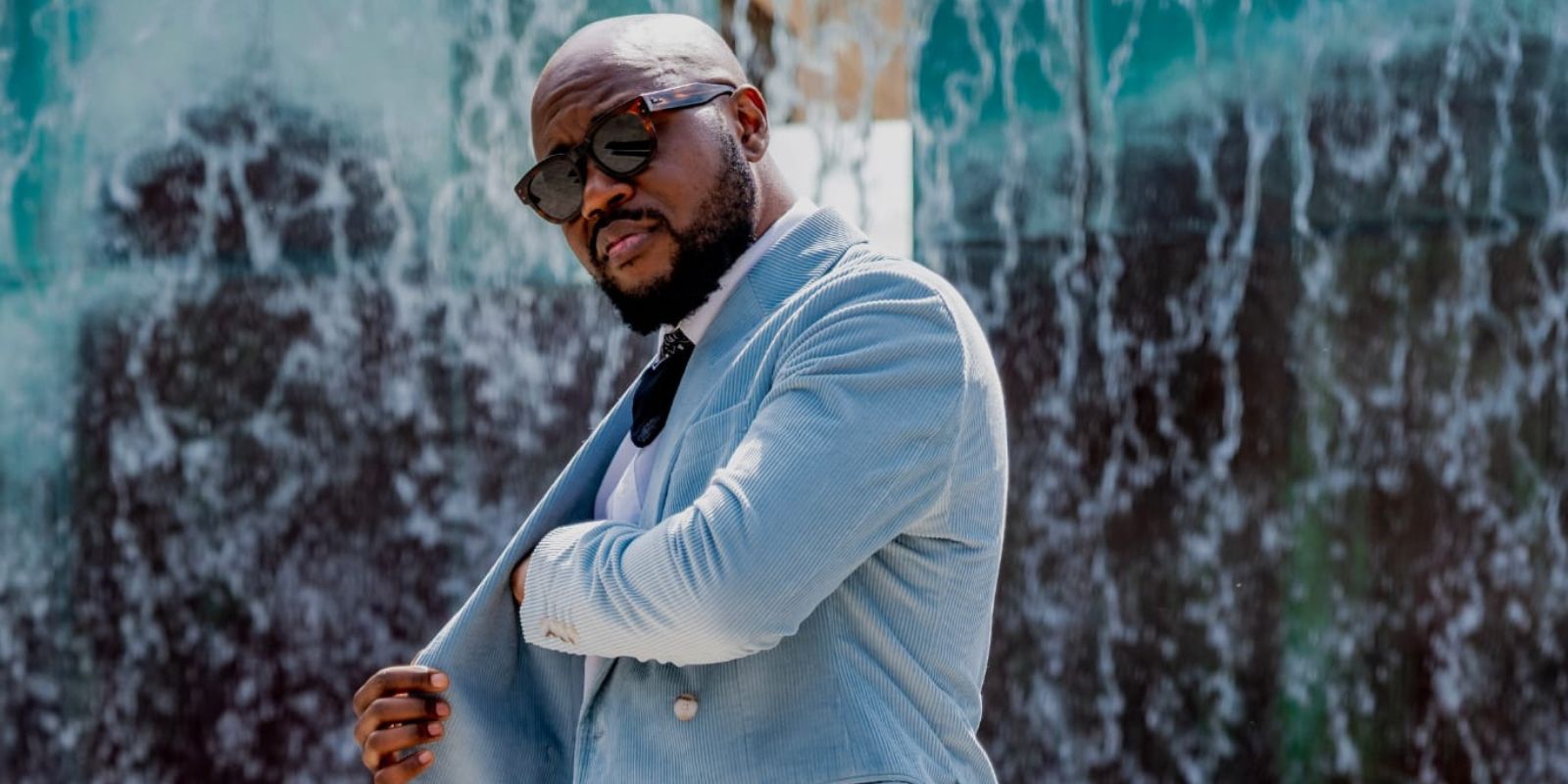
Watching Michael and Tsitsi’s journey has been as inspiring as an African sunrise — beautiful, powerful, and impossible to ignore. Their story has transformed the stage from one of appearances into a platform of purpose. She has established Tsitsi Beauty Emporium, a successful coaching company while he has become an active advocate for autism and mental health. So, when Michael told me he had reached the finals of the Mr. Africa UK and Ireland pageant, I felt compelled to share his story. It resonates not only with our family but with countless others navigating autism, fatherhood, and African identity in the diaspora.
Interview with Michael Nyabako (MN) by Wanisai (WC) – Mr. Africa UK & Ireland Finalist
WC: What motivated you to enter Mr. Africa, and what does this platform mean to you as a Zimbabwean/African man?
MN: What motivated me was the desire to use this platform to give voice to the causes I
deeply care about—autism awareness and men’s mental health. As a Zimbabwean and
an African man, I see this stage as more than a competition. It’s a responsibility to
represent my culture and community while showing that our stories deserve to be
heard globally. For me, Mr. Africa is about breaking barriers, celebrating identity, and
proving that true leadership is measured not by a crown but by impact.
WC: Pageants often focus on aesthetics. How do you reconcile this with the deeper issues that Mr. Africa addresses?
MN: The Africa UK and Ireland pageant is different. It’s not about physical beauty alone or
the idea of perfection. It’s about using our voices and lived experiences to address
deeper issues. Presentation may catch the eye, but it’s our purpose, advocacy, and
impact that truly define us.
WC: What message would you want other fathers—especially African fathers—who may be struggling in silence to take from your story?
MN: My message is this: “You are not alone, and you do not have to carry the weight in
silence.” Strength is not about hiding your struggles but about showing up with love,
patience, and vulnerability. Our children don’t need perfect men—they need present
and compassionate fathers. Seeking support does not make you weak. It makes you
wise.
WC: Looking beyond the competition, what legacy do you want to leave for your sons and other young African men?
MN: The legacy I want to leave is that worth is not defined by titles or appearance, but by the
impact we make. I want my boys to know that autism does not limit their potential and
that vulnerability makes men stronger. For young African men, I hope my journey shows
that you can embrace your culture, pursue your dreams, and still use your voice to
uplift your community. You matter, your story matters, and your voice deserves to be
heard.
WC: People often talk about stigma keeping men silent. Isn’t it also the nature of mental illness itself, or the way services are designed, that keeps men from accessing help?
MN: That’s a great question! Stigma is a big part of it, but yes, the nature of mental illness
can also silence men. Depression, for example, drains motivation, distorts self-image,
and makes it hard to put feelings into words. At the same time, services are often not
designed for men—long waiting lists, lack of male practitioners, or approaches that
ignore cultural realities all create barriers. So, it’s not just men being silent, but systems
that sometimes fail to hear them. That’s why change has to be two-sided: encouraging
men to speak, and adapting services so that when they do, they’re met with
understanding.
What emerges from Michael’s story is more than a pageant profile. It is a redefinition of masculinity and fatherhood in an African context—one that embraces vulnerability, challenges stigma, and insists that advocacy be rooted in lived experience. By stepping onto the Mr. Africa stage, Michael is not chasing a crown but carving out a legacy where beauty is inseparable from purpose, and African fathers rise as champions not only for their children but for their communities. His journey reminds us that the most powerful crowns are not placed on our heads but on the lives we lift through courage, love, and
an unshakable commitment.