From Uganda to Australia’s Comedy Stages: Anisa Nandaula Finds Her Voice

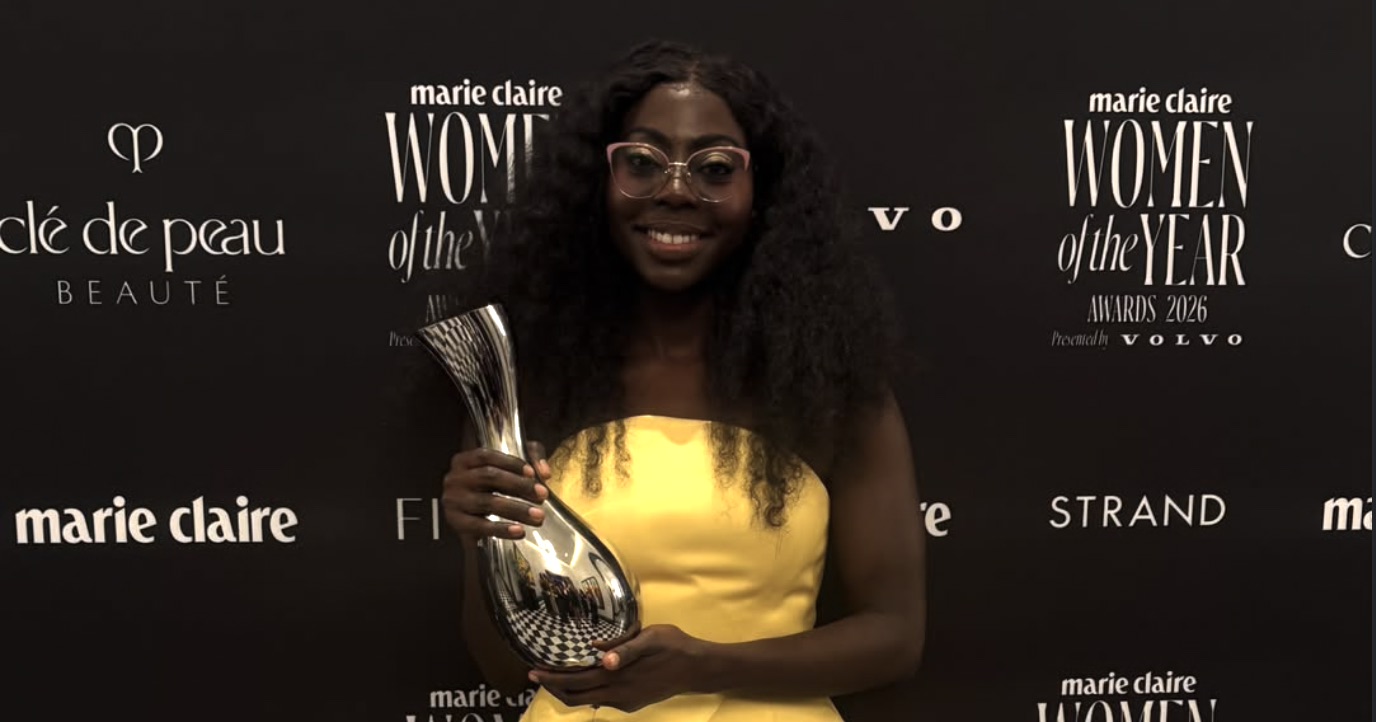
Ugandan-born comedian Anisa Nandaula is making her mark on Australia’s entertainment industry, turning personal experiences, cultural differences and everyday encounters into comedy that resonates with audiences at home and abroad.
For someone who once struggled to find her place in an unfamiliar country, Anisa Nandaula has developed a remarkable ability to connect with people through laughter.
Born in Uganda, Nandaula moved to Australia with her family as a child, initially settling in Rockhampton, Queensland. Her early experiences were not always easy. Growing up in a predominantly white community, she encountered cultural differences and struggled with questions of identity and belonging. Those experiences would eventually become part of the material that distinguishes her performances.
Today, the Brisbane-based comedian draws on subjects ranging from relationships and family life to race, religion and the sometimes uncomfortable realities of Australian society. Her ability to transform ordinary experiences into humour has helped establish her as an emerging voice in Australian comedy. But her journey into entertainment began with poetry. In 2016, Nandaula won the Queensland Poetry Slam and finished runner-up at the Australian Poetry Slam championships, developing confidence and stage presence through spoken-word performance. She later moved into stand-up comedy in 2020.
The transition was not immediately accompanied by commercial success. Like many emerging comedians, she spent years performing at small venues, developing material and learning from established performers. Her persistence eventually paid off. Social media gave Nandaula an opportunity to reach audiences beyond traditional comedy venues. Short videos of her performances attracted significant attention, introducing her humour to viewers throughout Australia and internationally. According to her management, her combined social media following has grown to more than 1.7 million, with her videos accumulating over 100 million views.
That online popularity has increasingly translated into opportunities on established entertainment platforms. Nandaula has appeared on Australian television programmes including Thank God You’re Here, Taskmaster Australia and Talkin’ ’Bout Your Gen. She also joined the cast of Urzila, an ABC sketch comedy series led by New Zealand-born comedian Urzila Carlson. Her career has taken her to prominent venues, including the Sydney Opera House, while she has also performed alongside internationally recognised comedian Chelsea Handler during Handler’s Australian tour.
In 2025, Nandaula received a Best Newcomer nomination at the Melbourne International Comedy Festival for her show You Can’t Say That. The recognition marked an important stage in her development as a professional comedian. In 2026, she continued expanding her audience with No Small Talk, a stand-up show performed across Australia and New Zealand.
The production draws on personal stories, family relationships and everyday conflicts, reflecting her preference for comedy grounded in recognisable human experiences. Her growing visibility is particularly significant within Australia’s African communities. Although African Australians contribute to many areas of national life, their representation in mainstream entertainment remains an important subject of discussion.
Nandaula’s emergence demonstrates how personal experiences shaped by migration and cultural identity can become a source of creative expression rather than a barrier to participation. Her story also challenges the assumption that success in entertainment must begin through established industry connections. She developed her craft through local performances, built an audience using digital platforms and gradually moved into larger professional opportunities. Yet her work is not simply about representing an African background.
Her comedy also explores experiences that cross cultural boundaries: family expectations, relationships, financial pressures and the difficulties of navigating everyday life. This ability to find common ground without abandoning her own perspective has become an important part of her appeal. For young African Australians considering careers in creative industries, her journey offers a practical example of what persistence, originality and consistent work can achieve. It is also a reminder that talent often develops long before the wider public begins to recognise it.
From a childhood spent adjusting to an unfamiliar environment to appearances on national television, Nandaula has built a career from the very experiences that once made her feel different. Her story is not simply about becoming successful in Australia. It is about finding her voice, developing her abilities and creating a place for herself in an industry where an original perspective can become a powerful advantage.