How Tiyani Makamu and Roan Kitshoff are entering a new era of pageantry

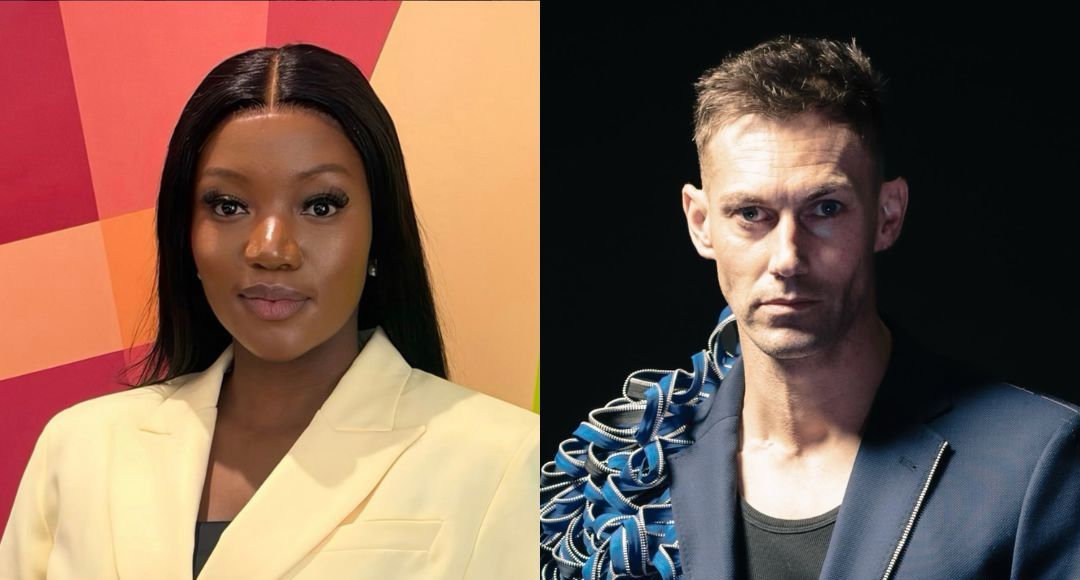
A pageant victory lasts a moment, but the responsibility attached to the title can stretch across an entire year.
The photographs are taken, the applause eventually fades and the designer outfits return to the wardrobes. What remains is the expectation that the person wearing the crown or sash will give the title a meaning beyond the night it was won.
That is the interesting story emerging from South Africa’s latest pageant celebrations, where Tiyani Makamu and Roan Kitshoff stepped into national recognition after winning Miss South Africa 2026 and Mister South Africa 2026 respectively.
Their victories, celebrated on Saturday, 14 November, brought two different worlds of pageantry into focus, but also raised a common question what does it take to turn a beauty or modelling title into something that leaves a lasting impression?
At the Sandton Convention Centre in Johannesburg, Makamu, 27, from Bronkhorstspruit, Gauteng, was crowned Miss South Africa 2026, succeeding Qhawekazi Mazaleni.
She emerged from a group of 12 finalists, with Cwenga Koyana Kotu-Rammopo named First Princess and Lesego Khumo Nyathela taking the Second Princess position.
Makamu’s story is particularly interesting because her ambitions extend beyond the modelling and fashion world. A communications professional, entrepreneur and youth advocate, she founded Hubsela, a platform supporting entrepreneurs and small businesses.
Her interests include youth unemployment, education, skills development and creating opportunities for women in business.
It is an interesting combination of professional experience and social ambition, particularly at a time when pageant winners are increasingly expected to demonstrate what they can contribute away from the stage.
However her new position comes with a guaranteed R1 million cash award and access to an Impact Fund of up to R500,000 for approved advocacy projects.
Meanwhile, Roan Kitshoff claimed the Mister South Africa 2026 title at Vodacom World Events in Midrand, bringing male pageantry into the weekend’s celebrations.
His victory adds another chapter to a competition that seeks to broaden conversations about modern masculinity, confidence, mentorship and community involvement.
Male pageantry has often received less attention than its female counterpart, yet competitions such as Mister South Africa are creating opportunities to explore men’s representation through fashion, public speaking, leadership and personal development.
The significance of having a new Miss South Africa and Mister South Africa is therefore not simply about two individuals winning national titles in different venues at the same time.
Their journeys also reflect how pageantry is finding a place within the wider business and creative landscape.
Behind every crown is an industry.
The elaborate productions, carefully styled appearances and runway presentations require the involvement of numerous creative professionals. Fashion designers, photographers, makeup artists, stylists, choreographers, event organisers and entertainment personalities all contribute to the experience.
The Miss South Africa finale demonstrated this relationship particularly well.
Hosted by Lawrence Maleka and former Miss South Africa Jo-Ann Strauss, the evening brought together music, fashion and storytelling.