Dr Mombeshora elected WHO Africa regional committee second deputy chairperson

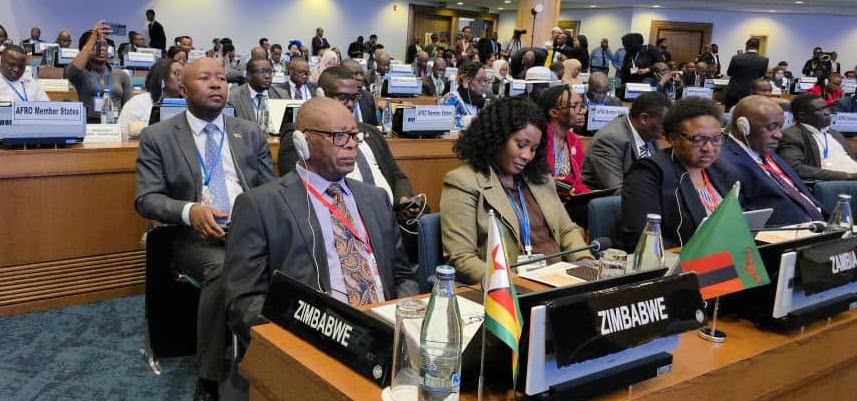
Zimbabwe’s Minister of Health and Child Care, Honourable Dr Douglas Mombeshora, has been elected Second Vice Chairperson of the World Health Organisation (WHO) African Region Regional Committee, marking a significant moment for Zimbabwe’s participation in continental health leadership.
The development took place during the 76th Session of the WHO Regional Committee for Africa (AFR/RC76), held from 24 to 28 August 2026 in Addis Ababa, Ethiopia.
The session is being conducted under the leadership of the Chairperson, H.E. Dr Mekdes Daba Feyssa of Ethiopia, bringing together health leaders from across the continent to address some of Africa’s most pressing public health challenges.
AFR/RC76 brings together Ministers of Health and senior government officials from the 47 Member States of the WHO African Region, alongside WHO leadership, development partners and other stakeholders in the health sector.
The session provides an important platform for African countries to assess progress, share experiences and strengthen cooperation around health priorities affecting communities across the continent.
Dr Mombeshora’s election as Second Vice Chair places Zimbabwe in a prominent position within the regional health governance structure and gives the country an opportunity to contribute to discussions shaping the future of healthcare across Africa.
The position also comes at a time when African health systems continue to face complex challenges, including strengthening primary healthcare, improving access to essential medicines, addressing emerging and re-emerging diseases, supporting maternal and child health, and building resilient health systems.
The 76th Regional Committee session is therefore expected to play an important role in advancing collective action among African countries, with governments and health partners seeking practical approaches to improving health outcomes across the region.
For Zimbabwe, Dr Mombeshora’s appointment represents an opportunity to further elevate the country’s voice in continental health discussions while strengthening collaboration with fellow Member States and international health partners.
The leadership role also provides Zimbabwe with an opportunity to share experiences and lessons from its own health sector, particularly in areas where the country has developed programmes aimed at improving access to healthcare and strengthening community-based health services.
Beyond the formal deliberations, the regional committee serves as an important platform for countries to build partnerships and mobilise support for health priorities. Collaboration between governments, WHO, development partners and other stakeholders remains critical as African nations work towards sustainable improvements in healthcare delivery.
Dr Mombeshora’s election is consequently more than a leadership appointment; it places Zimbabwe within the continent’s decision-making space on health and provides an opportunity for the country to contribute to collective efforts aimed at building healthier and more resilient African communities.
As the African Region continues to pursue stronger, more accessible and resilient healthcare systems, Zimbabwe’s participation in the leadership of AFR/RC76 adds another dimension to the country’s engagement with the continent’s health agenda.