A Historic Opportunity for Africa: Zimbabwe Elected to UN Security Council

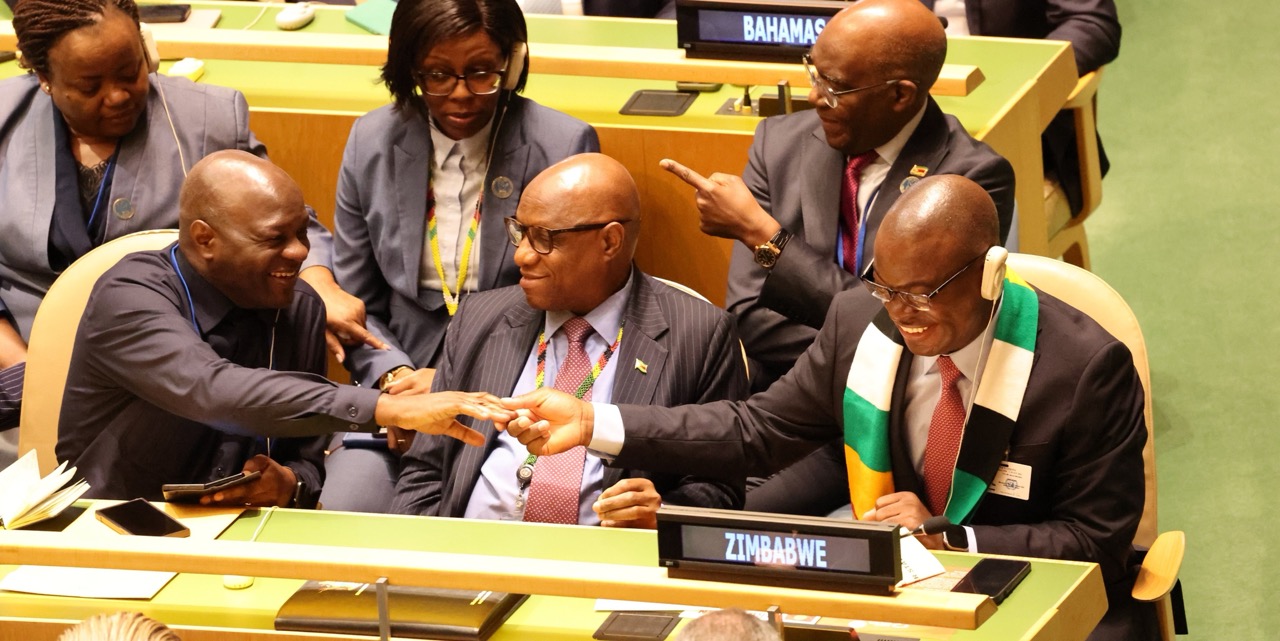
Zimbabwe has secured election as a non-permanent member of the United Nations Security Council (UNSC) for the 2027–2028 term, marking a significant diplomatic milestone for both the country and the African continent.
The election, held on 3 June at the United Nations Headquarters, places Zimbabwe among the ten rotating members of the world’s foremost body responsible for maintaining international peace and security. Its two-year term will run from 1 January 2027 to 31 December 2028.
Beyond national recognition, Zimbabwe’s election strengthens Africa’s voice in global decision-making. For decades, the continent has argued that it remains underrepresented in international governance despite being central to discussions on peace, security, development and conflict resolution.
The UNSC comprises 15 members, including five permanent members with veto power—China, France, Russia, the United Kingdom and the United States—and ten non-permanent members elected for two-year terms. While non-permanent members do not hold veto power, they play a vital role in debates, negotiations, resolutions and decisions on international security matters.
During its tenure, Zimbabwe is expected to contribute to discussions on key global challenges, including conflicts in Ukraine and Gaza, instability in eastern Democratic Republic of the Congo, terrorism in the Sahel, maritime security and climate-related security threats.
Zimbabwe is also likely to champion African priorities such as conflict prevention, peacebuilding, food security, youth empowerment, sustainable development and the reform of global institutions. Its campaign centred on multilateralism, dialogue and African-led solutions to African challenges.
As a Security Council member, Zimbabwe will help shape agendas, negotiate resolutions, participate in peacekeeping discussions and represent regional interests on the global stage.
Its election is both an honour and a responsibility—offering Zimbabwe and Africa an important platform to influence international peace and security.