Zimbabwe by Bus: Where every journey becomes a story

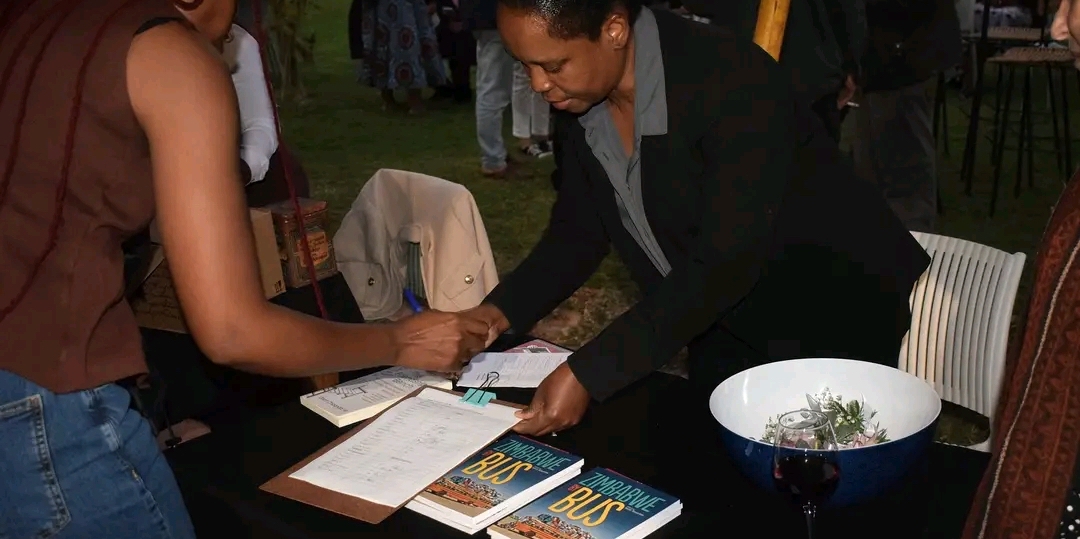
On Tuesday 26 May, Harare became the meeting point of memory, movement, and storytelling as Ambassador Stéphane Rey joined guests for the launch of Zimbabwe by Bus, a book and exhibition that traces the living, breathing culture of Zimbabwe’s public transport system.
The project dives into the everyday reality of the country’s buses, where journeys are rarely just about travel. They are layered with conversation, humour, music drifting through open windows, heated debate, unexpected friendships, and the shared resilience of commuters who turn long, bumpy rides into something deeply human. The launch brought those narratives into focus, reframing the bus not only as transport, but as a cultural space where life unfolds in motion.
Support for the initiative was present, but attention repeatedly returned to the creators behind it,writers, artists, photographers, and the Matambanadzo family, whose own lived experience of bus travel became a central thread in the broader storytelling.
Their contribution grounded the exhibition in personal truth, ensuring the work remained anchored in real journeys and real voices rather than abstract observation.
Ambassador Stéphane Rey drew a striking contrast that resonated with the audience.
He reflected that in Switzerland, a train being one minute late can trigger frustration, while in Zimbabwe the bus system represents something far more elastic and alive less about precision, more about people, interaction, and survival woven into daily movement.
His remarks captured the spirit of the evening: that punctuality may define systems elsewhere, but in Zimbabwe, the bus defines society itself.
The event unfolded as a meeting of art and lived experience, where strangers briefly became a community bound by shared recognition. It was an atmosphere shaped by storytelling as much as exhibition, where images and words transported attendees into the rhythms of the road.
Organisers acknowledged the contributions of Irene Staunton, Isabella Matambanadzo, and the Friendship Bench, whose involvement helped bring depth and humanity to the project. Their presence reinforced the idea that storytelling in Zimbabwe is rarely solitary work, but something built collectively through collaboration, memory, and care.
By the end of the evening, the message was clear without needing to be stated outright,no matter how uneven the journey, culture remains the vehicle that keeps people connected.