Carrying the Flag: Kudzai Mashawi on pride, protein, and paying it forward

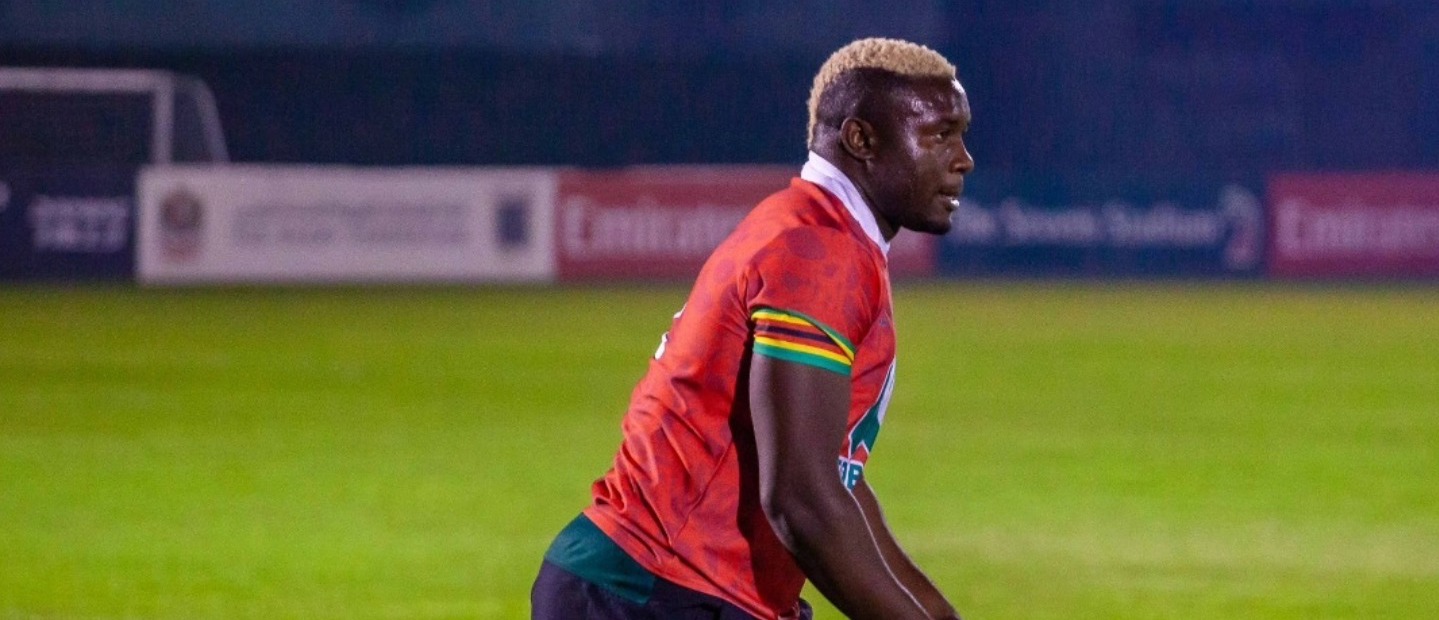
Zimbabwe Sables vice captain talks to My Afrika Magazine about family, Fiji, and building a rugby culture from the ground up. As the Zimbabwe Sables step onto a massive stage as they face South Africa ‘A’ in Nelson Mandela Bay on June 20th setting the tone for a blockbuster double-header.
A true test for Africa’s champions as they continue their rise towards the 2027 Rugby World Cup.
Kudzai Mashawi (KM) was shares more on what it means to be the Sables vice captain.
TR: Congratulations on being named vice captain of Zimbabwe’s national rugby team! How does it feel to be part of the squad facing South Africa?
KM: It was a great feeling to represent the nation. To carry the nation’s flag — I take pride in the role and the opportunity given to me. I feel honoured, and at the end of the day, it’s a job I have to do for my country.
TR: How has your family been supportive throughout your rugby career?*
KM: My family has been really supportive, especially my wife. She loves me being away to chase my passion, away from my children, and she carries on holding the fort when I’m not there. Sharing that responsibility is an amazing thing. To have a partner like that emotionally, when I’m in doubt, they back me up. They always believe in me and keep pushing me. They’re the backbone of everything I do.
TR: There’s a myth that rugby athletes should focus primarily on diet and gym work. How true is this, and what’s your approach to training?*
KM: It’s not a myth, it’s the way to go. In Tier 1 nations, if you’re serious about your career, your diet and training are everything. It’s a big part of every athlete’s life — diet, training, rest, and recovery. You have to eat right and train right because your body is your tool for performing. It needs to be at 100%.
My basic approach is: we get guidance in our system on what to train and what to work on. It’s different for everyone depending on your position and what you need.
TR: What’s your take on introducing rugby in both A and B schools in Zimbabwe?*
KM: My take is we don’t play enough rugby as a continent. If you look at Zimbabwe, we don’t have enough game time. Having schools playing rugby would be the greatest thing — you have kids getting involved at an early age.
As they get older, it means the game is progressing. Coaches are brought in, stakeholders get involved, and you have a bigger pool of athletes. It builds a culture of sport. If you have a culture of the sport, you have a good crop of players coming through.
TR: You play for the Harare Sports Club and were awarded Player of the Year. What does this recognition mean to you?
KM: The award means a lot. It’s a big achievement for any Player of the Year. It’s testament to your input, your hard work, your sacrifice. It’s the reward you get at the end of the year for assisting your club and teammates, and for them supporting you.
It’s a big thing for me and I take pride in it. Obviously, gratitude to the boys my teammates who helped me achieve that, as well as the coaches and management.
TR: If given the chance, which international squad would you love to join, aside from Zimbabwe?
KM: That’s a tough one. I believe I’d go with Fiji. They’re well built, physical, and they’re underdogs. They’re united and they don’t give up.