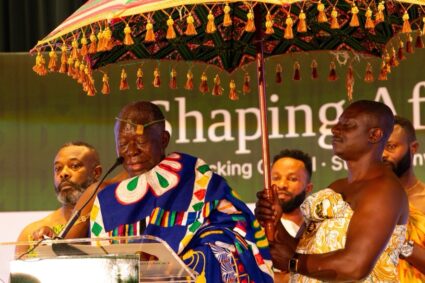
Scientists urged to play a crucial role in Agriculture

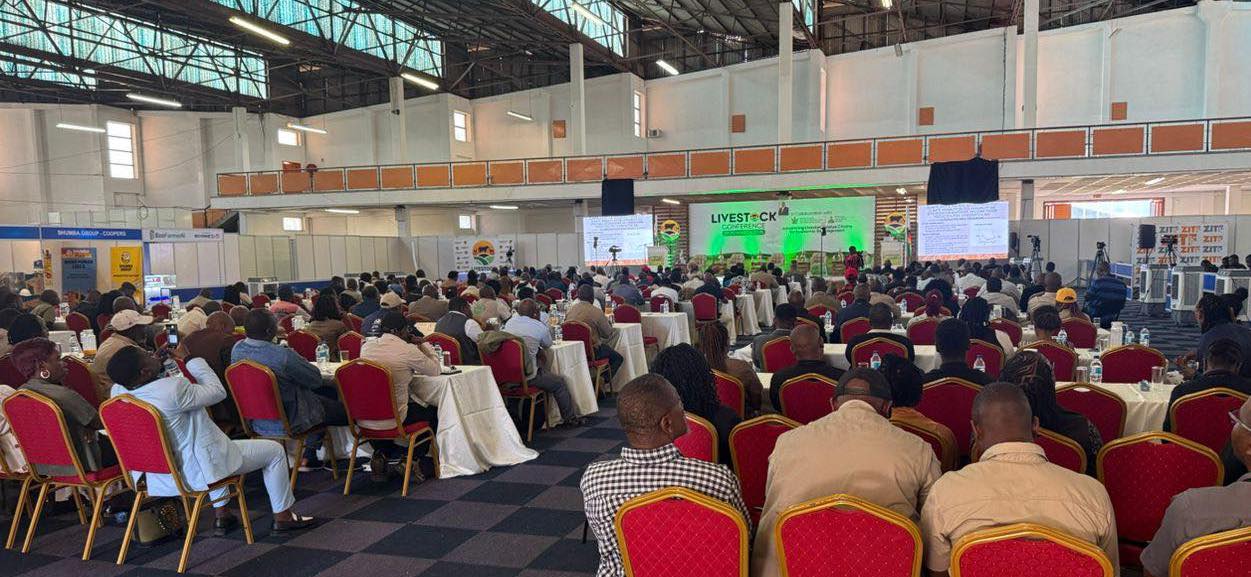
Zimbabwe’s second edition of the Livestock conference kicked off in Bulawayo at the Zimbabwe International Trade Fair company on the 19th of March and closed its curtains on the 20th.
The event was held under the theme: ‘Advancing Livestock Value Chains for Economic Development’.
The conference saw at least more than 200 delegates attending the event. The majority of them were farmers from across all ten provinces. As well as students from various tertiary institutions, business people, and scientists.
One of the speakers at the ceremony, Mr. Promise Ncube, the President of Bulawayo Agricultural Society Council, encouraged participants to have honest conversations and ask hard questions as the region finds itself at a precarious time.
He also provided details about Foot and Mouth disease.
Mr. Nkomo further encouraged scientists in agriculture to play a key role in developing the sector.
Meanwhile, speaking in the same atmosphere, delivering a keynote address at the 2026 Livestock Conference, Deputy Minister of Lands, Agriculture, Fisheries, Water and Rural Development, Hon. Davis Marapira championed a national narrative centered on technical self-reliance and “genetic sovereignty.
Reporting a rise in annual milk production to 140 million litres alongside notable improvements in the poultry and pork sectors, the Deputy Minister emphasised that these gains are the foundation for a modernised, high-performing commercial economy.
He also encouraged stakeholders to embrace climate challenges as opportunities for innovation, urging the industry to treat drought as a solvable engineering capability.
“We should always think about droughts and come up with solutions for them.”
Hon. Marapira stated the need of highlighting the immense potential of sand-abstraction systems to harvest water from riverbeds, ensuring a consistent supply for irrigation and livestock throughout the year.
A major pillar of the Deputy Minister’s address was a call for a strategic focus on animal breeding excellence. He advocated for the intentional improvement of indigenous genetics, such as the ‘Mashona, Afrikaner, and Nguni’. These are perfectly adapted to Zimbabwe’s unique ecological regions.
Hon. Marapira noted that these local breeds are already generating millions in international markets, proving their world-class value.