Conversation with Ryan Zelesky on empowerment, accountability and hope

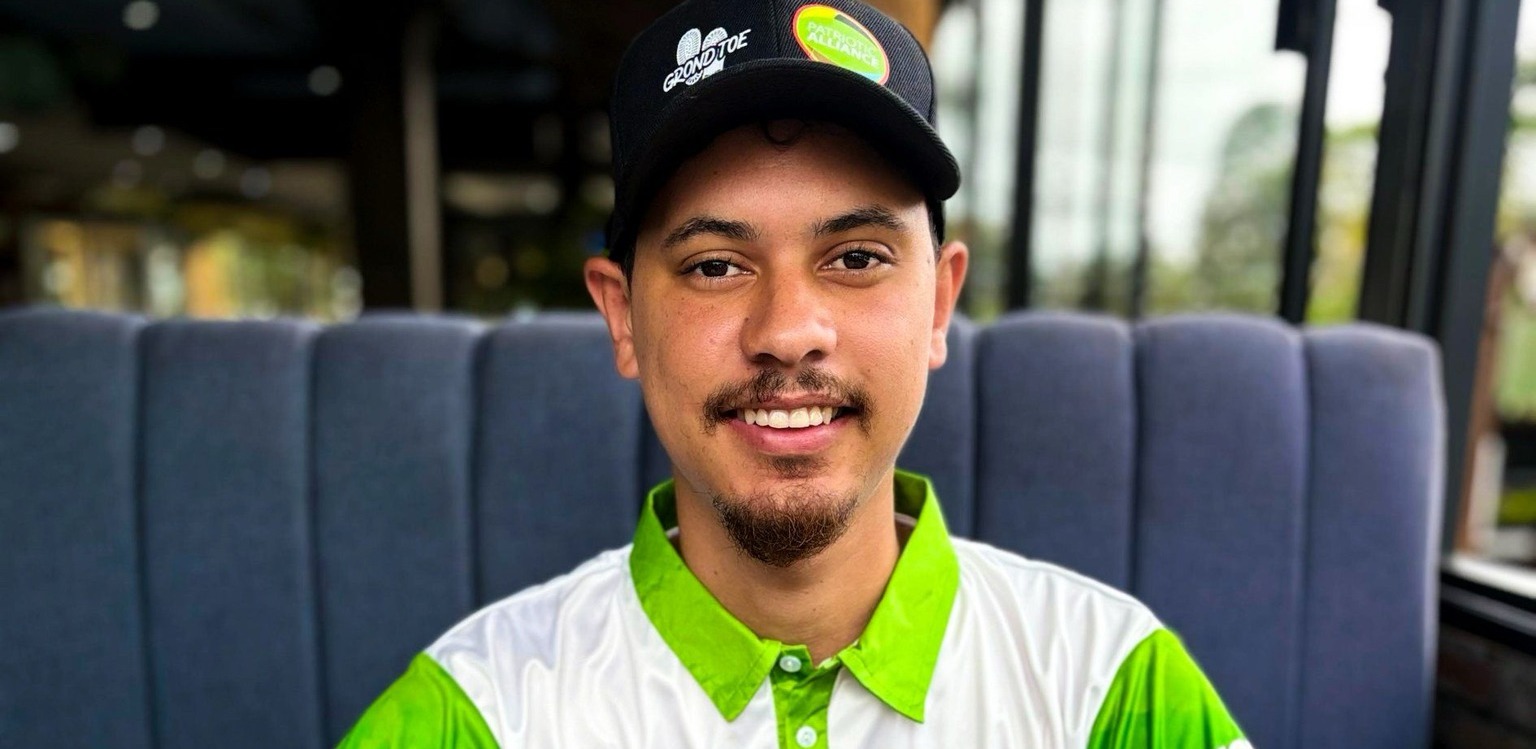
“We are not asking for favours, we are asking for opportunities and dignity…”
In a time when young people across Africa and beyond are demanding inclusion, opportunity, and genuine representation, conversations about youth empowerment and governance have never been more urgent.
Ryan Zelesky is one of the voices shaping this discourse, advocating for practical empowerment, accountable leadership, and collaborative development. In this exclusive interview with My Afrika Magazine, he shares his insights on marginalisation, the role of local governments in South Africa, digital activism, and the future of youth leadership.
TR: What changes are needed to ensure that government opportunities and resources reach marginalised communities, making them active participants rather than mere beneficiaries?
RZ: Governments must move beyond policies that exist only on paper. Resources should be distributed transparently and fairly, with direct involvement of marginalised communities in decision-making. People should not only receive support but also participate in designing solutions that affect their lives. True development happens when communities are empowered to shape their own future.
TR: What role should the next generation of local governments play in ensuring that all young people are meaningfully empowered?
RZ: They must lead with heart. Leadership should be about service, not status. The next generation must prioritise education, skills development, and job creation for youth, ensuring that no one is left behind. Empowerment should be practical, not just promises.
TR: How can municipalities work with youth organisations, civil society, and the private sector to strengthen youth development?
RZ: By partnering and planning together. Government cannot work alone. Youth organisations understand real struggles on the ground, civil society brings experience and advocacy, and the private sector brings resources and innovation. When we collaborate, we create stronger and more sustainable solutions.
TR: Young people are highly active on social media. How can youth use digital platforms to empower themselves and hold political leaders accountable?
RZ: Social media gives us a voice. We can share information, educate each other, expose problems, and demand accountability. It helps us organise and mobilise quickly. It’s a powerful tool when used responsibly and strategically.
TR: Do you think social media activism is translating into real political and policy change in South Africa? Why or why not?
RZ: Sometimes yes, sometimes no. Social media creates awareness, which is important, but real change still requires action on the ground. Protests, community meetings, voting, and grassroots work must go hand in hand with online activism. Social media is the spark, but action is the fire.
TR: Are you personally considering running for a council seat or any public office in the upcoming local government elections?
RZ: I am open to serving wherever I can make the biggest difference. My motivation has never been position or title, but service. If stepping into leadership allows me to help my community more effectively, then I would consider it. For me, leadership is about impact, not politics.
TR: Can you kindly share any message you have for young people in Africa?
RZ: To young people, I want to say: do not lose hope. Your voice matters, your dreams matter, and this country belongs to you, too. Get involved, vote, speak out, and support each other. To political leaders, I say: please listen to the youth. We are not asking for favours, we are asking for opportunities and dignity. Work with us, trust us, and together we can build a South Africa that works for everyone.