From the Track to the Law Books: Gerren “Bhizah” Muwishi on Representing Zimbabwe and Giving Back

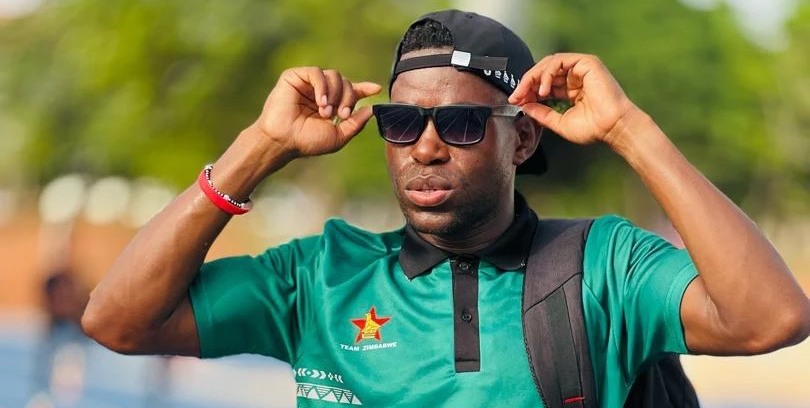
Gerren “Bhizah” Muwishi (GM) is a force to be reckoned with in Zimbabwean athletics. This talented sprinter, lawyer, and coach has been making waves in the sports scene, and we’re excited to dive into his story. From his early days at St. Patrick’s High School to representing Zimbabwe at the African Games and World Athletics Relays, Muwishi’s passion for athletics is undeniable. He shares that his love for the sport was sparked by a challenge from a rival, and now he’s hooked, constantly pushing himself to new limits.
In this exclusive interview with My Afrika Magazine, senior reporter Tapiwa Rubaya (TR) sits down with the 400-metre specialist to unpack the moments that shaped his career, the realities of competing without sponsorship, and the challenge of balancing elite sport with legal studies. Muwishi also speaks candidly about coaching young athletes, the structural gaps in Zimbabwean athletics, and his long-term dream of closing his career on the Olympic stage.
TR: What sparked your love for athletics, and what do you enjoy most about being an athlete day‑to‑day?
GM: I honestly don’t know. I’ve played a lot of sports throughout my early childhood, most of them team sports but I guess athletics stood out because of a mere challenge by a rival when I was in Upper 6 at St Patricks High School.The thrill of winning that bet as well as the ensuing races till I went for NASH was a drug that got me hooked that I couldn’t let go of. Going gor training, pushing my body to the limit has to be the highlight of my day being an athlete, seeimg how far I can challenge and push myself is bother a wonderful and terrifying feeling.
TR: You represented Zimbabwe at the African Games early in your career—how did that experience shape your journey?
GM: I’ve been in the sport for a while now but The African Games had a big impact on who I am as an athlete today. Being my first time being captain of the track and field team, to setting two personal bests on two consecutive days (one of them my birthday) is a top two career highlight for me. It however taught me to yearn to be better because competing against the best in Africa requires a lot.
TR: This year you competed in the 4 × 400 m at the World Athletics Relays in Guangzhou, China. What stands out most from that race and the team dynamic?
GM: I guess the journey towards qualification itself was special.
It had been something we discussed with my training partner Leeford Zuze the year before so to have been able to push ourselves to the limit to seeing that come true and find two more guys who were as hungry as us to get to the world stage was special. It might not have home the way we wanted in China but the boys are intent on voming back stronger than ever.
TR: Besides competing, you’ve taken on coaching at MWC Sport. What motivates you to mentor young Zimbabwean athletes?
GM: Coming up in track I had no formal coaching until probably 2019 and yet I manged to achieve a lot at the University of Zimbabwe like going for the World Student Hanes twice, CUCSA 100m and 4 x 100m Gold Medalist . So Coaching is my way of giving back. So that those talented athletes that fall between the cracks” have someone who can at least help them with guidance so that they can try to be the best version of themselves.
TR: Balancing a Master’s in Commercial Law with training and coaching must be intense—how do you manage your time?
GM: It’s relatively a bit easy now because I haven’t really found my footing in the legal field. However, it needs a lot of work coming from my experiences when I was doing my law degree and Masters as well as a bit of private practise whilst being an active athlete so it takes a lot out of you because it affects you both mental and physically.
TR: Botswana will host the World Relays in May this year. How ready do you feel to represent Zimbabwe again and what preparations are underway?
GM: So far it’s just been personal preparation. Myself and Leeford are training partners so we’re trying to be better than we were at the 2025 edition. No real plan has been communicated to us by our Association in terms of preparation so we’re just working on our individual abilities. But I feel its going to be a good year.
TR: Who are your current sponsors or partners, and how crucial has that support been for your training and competition?
GM: So far we haven’t had any formal sponsorship. Most of what we get is through the hard work of our manager Mumyaradzi Gwanzura who has tirelessly worked towards helping us get the bare minimum like transport monies for training and a bit here6and there if we need to travel outside the country to compete. I also have a coaching job that helps out. What we’ve been able to achieve so far has solely been from our pockets. Imagine how better we could be if we had continous support all year round.
TR: What specific support would you like to see from the Zimbabwean government to help athletes like you sustain both sport and education?
GM: In the words of Noah Lyles OLY, athletics is a very expensive sport. Financial funding is obviously what we need. Because athletes need transport to go for training, they need gym, a proper diet, supplements, recovery and these are the little things. We don’t have any training venues in the country because the usual stadium we use os National Sports B Arena and because of the renovations at NSS, we haven’t had access to the facility. Moreover we don’t have a certified track in the country and the timing system so we have to travel regionally (South Africa, Botswana, Zambia amd even Europe) to get times that are used to rank us and get us selected for these major competitions. So as you can see, a lot a required.
TR: Looking ahead, what are your short‑term goals (e.g., 2026 African Championships) and long‑term dreams (e.g., World Championships, Olympics)?
GM: Obviously getting national team caps is on top of everyone’s list so 2026 Africa Senior Champs are on that’s list. There aren’t a lot of Senior Competitions this year so its a bit tight. But long term, the 2027 African Games and World Championships are in sight and what a career it would be if I could close it out at the 2028 LA Olympic.
TR: What message would you give to young Zimbabweans who dream of pursuing athletics while also studying or working?
GM: Keep working hard. It’s never too late. I started track seriously when I was 20 years old and I’ve been going strong ever since so there’s no excuse especially with the vast availability of resources these days. Those that want to do track and study/work, always find a balance. Track doesn’t pay the bill especially here in Zim, so you’ll obviously need something that can sustain you so work hard on the track and work harder to get that money.