Beyond the Silence: Leon Jalasi’s Bold Call to Hear the Unheard


In an age where noise is constant and words are abundant, Beyond the Silence by Leon M. Jalasi arrives as a quiet but forceful interruption. It is not a book that shouts for attention; rather, it compels the reader to stop, listen, and confront the realities that society has long ignored.
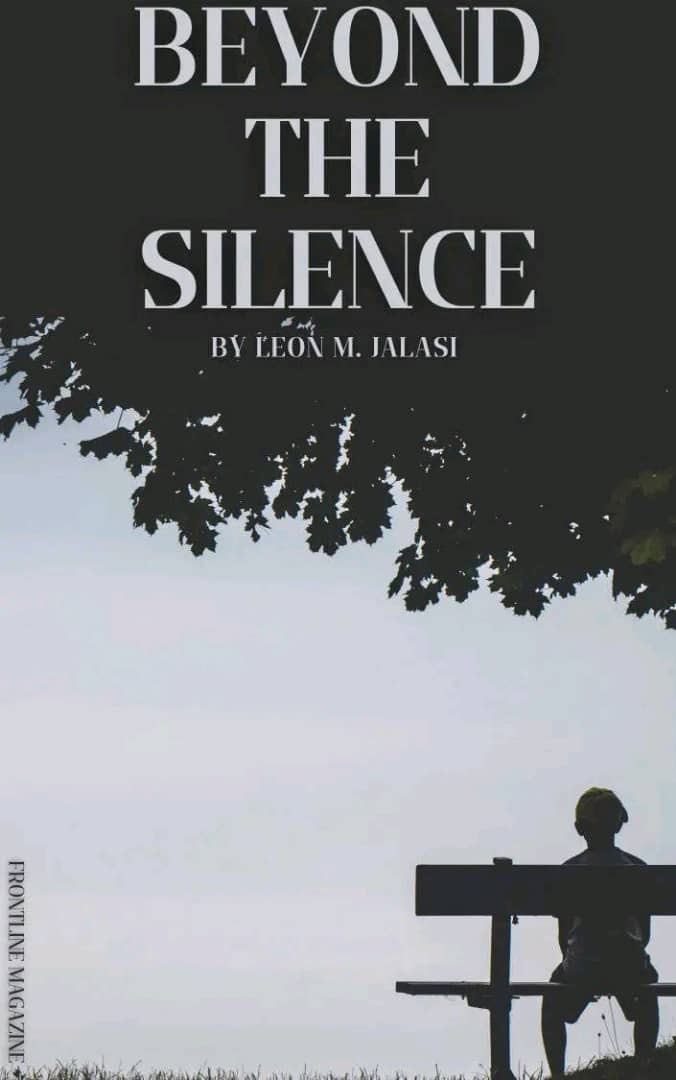
At first glance, the book’s cover is striking in its restraint: a solitary figure seated on a bench beneath the shadow of trees, gazing into an open sky. The imagery is simple, yet deeply symbolic—an individual surrounded by space, reflection, and unanswered questions. It is an apt visual prelude to a work that explores silence not as emptiness, but as a lived experience shaped by exclusion, neglect, and unspoken pain.
Jalasi, known for his multidisciplinary work that blends faith, research, and social commentary, uses Beyond the Silence to examine how society relates to people whose voices are marginalized—particularly those living with speech and hearing impairments. The book does not merely describe silence as the absence of sound; it interrogates the absence of understanding, empathy, and inclusive systems.
What sets Beyond the Silence apart is its deliberate balance between storytelling and social critique. Jalasi’s writing is reflective and grounded, drawing the reader into real-life observations rather than abstract theory. Through carefully constructed narratives and thoughtful analysis, he exposes how silence is often imposed, not chosen—maintained by educational gaps, cultural assumptions, and institutional neglect.
Faith subtly but firmly undergirds the book’s message. Jalasi challenges readers to examine their moral responsibility toward inclusion, urging communities, institutions, and policymakers to move beyond sympathy into action. His argument is clear: compassion without structural change only deepens the silence it claims to address.
Importantly, the book does not offer simplistic solutions. Instead, it provokes necessary discomfort, asking hard questions about communication, accessibility, and whose voices are deemed worthy of being heard. It is this honesty that gives the book its power. Beyond the Silence does not seek to speak for the unheard; it challenges the world to finally listen.
As conversations around inclusion, disability rights, and social justice continue to gain momentum, Beyond the Silence positions itself as both timely and timeless. It is a book for educators, faith leaders, policymakers, and everyday readers who are willing to reflect on how silence operates in their own spaces—and what it would mean to dismantle it.
In Beyond the Silence, Jalasi offers more than a book; he offers a mirror. And what it reflects is a society at a crossroads, faced with a choice: to remain comfortably silent, or to learn a new language of understanding.