“It Takes a Village”: Botswana–Australian Families Gather to Celebrate Culture, Language and Belonging

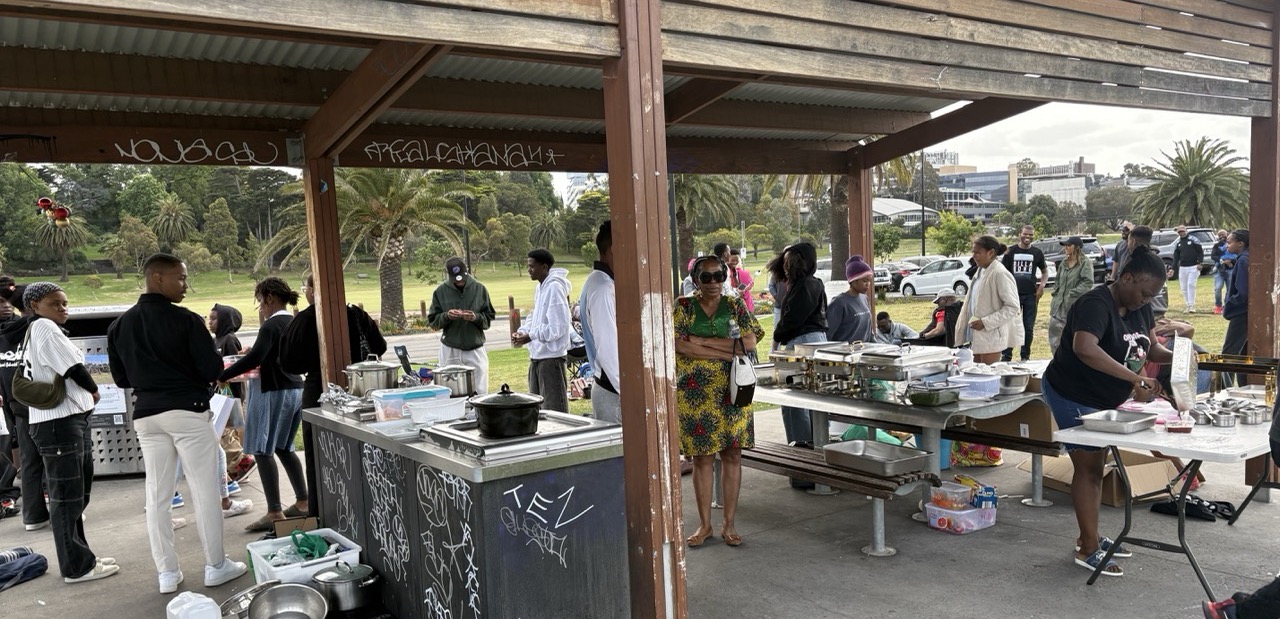
On a warm December afternoon at Footscray Park, children ran freely between games, laughter, and familiar voices, while families shared food, stories, and language that carried the weight of generations.
The Bua Learning Christmas Family Fun Day brought together Botswana–Australian families from across Melbourne’s west, offering more than a festive celebration. For many, it was a rare and meaningful space where culture, language, and identity were not explained, but understood.
Community leader and parent Patience Rabai said events like this are essential for children growing up between cultures.
“It’s important for our children to know where they come from,” she said. “We don’t want them to grow up thinking that because they are in Australia, their identity must disappear. Being Tswana is not just about language, it is about understanding our history, our depth, and who we are.”
Rabai emphasised that language plays a foundational role in identity and wellbeing.
“Language is the first root of understanding who you are. When you understand your language, you understand yourself. When families come together and speak Setswana, something deeper connects, not just for children, but for us as adults as well.”
She added that family involvement is central to raising grounded children.
“Without family and community structure, children become lost. In our culture, we raise children together. We call each other aunties and uncles for a reason. It takes a village, and having that village here helps our children grow without losing themselves.”
For Rabai, the long-term impact of initiatives like Bua Learning lies in relationships and collective responsibility.
“The networks we build here are not just for today. Together we go far. Alone you can go fast, but what is the point of going fast if you do not journey together?”
Her children echoed this sense of belonging in their own words.
Twelve-year-old Sasha, a Year 7 student, said being around children from the same background brought relief and confidence.
“Sometimes kids don’t really understand me or my culture. Being here feels good because I’m around people who understand me easily. I have friends from many backgrounds, but here I don’t have to explain where I’m from.”
Her younger brother Sean agreed.
“I like connecting with people who understand where I’m from. It feels nice having friends from the same background.”
Another parent, author and businessman Owen Rabai, said the event helps keep culture alive for the next generation.
“For me, it’s about keeping Botswana culture alive here in Australia. I want my children to speak the language so that when they visit their grandparents back home, they can communicate and express themselves. If you cannot express yourself in your mother tongue, something important is lost.”
He added that language preservation begins with simple, everyday practice.
“Even basic things, like telling your child to close the door in your own language, matter. Everything starts with foundations.”
The event was organised by Naledi, founder of Bua Learning, who described the initiative as a response to raising children away from home.
“We are raising our children in Australia, and it is imperative they learn Setswana and understand their culture while they are here. We wanted families and children to know each other from a young age.”
Naledi said hosting a free and inclusive Christmas event was intentional.
“Christmas is a time for family. This is when people come together through food, culture, and shared memory. It is the right time to gather everyone.”
For her, success was visible in the children themselves.
“Success today looks like children forming friendships, welcoming new families, and celebrating achievements. Seeing children receive certificates for learning Setswana throughout the year is worth celebrating.”
As the day drew to a close, the sense of purpose remained clear. Bua Learning’s work is not about numbers, organisers say, but impact, one child, one family, one connection at a time.
In spaces like Footscray Park, culture was not preserved behind closed doors, it was lived, spoken, and joyfully passed on.