Zimbabwe’s Creative Industry Tackles Gender Equity and Inclusion at Gender at Work Conference

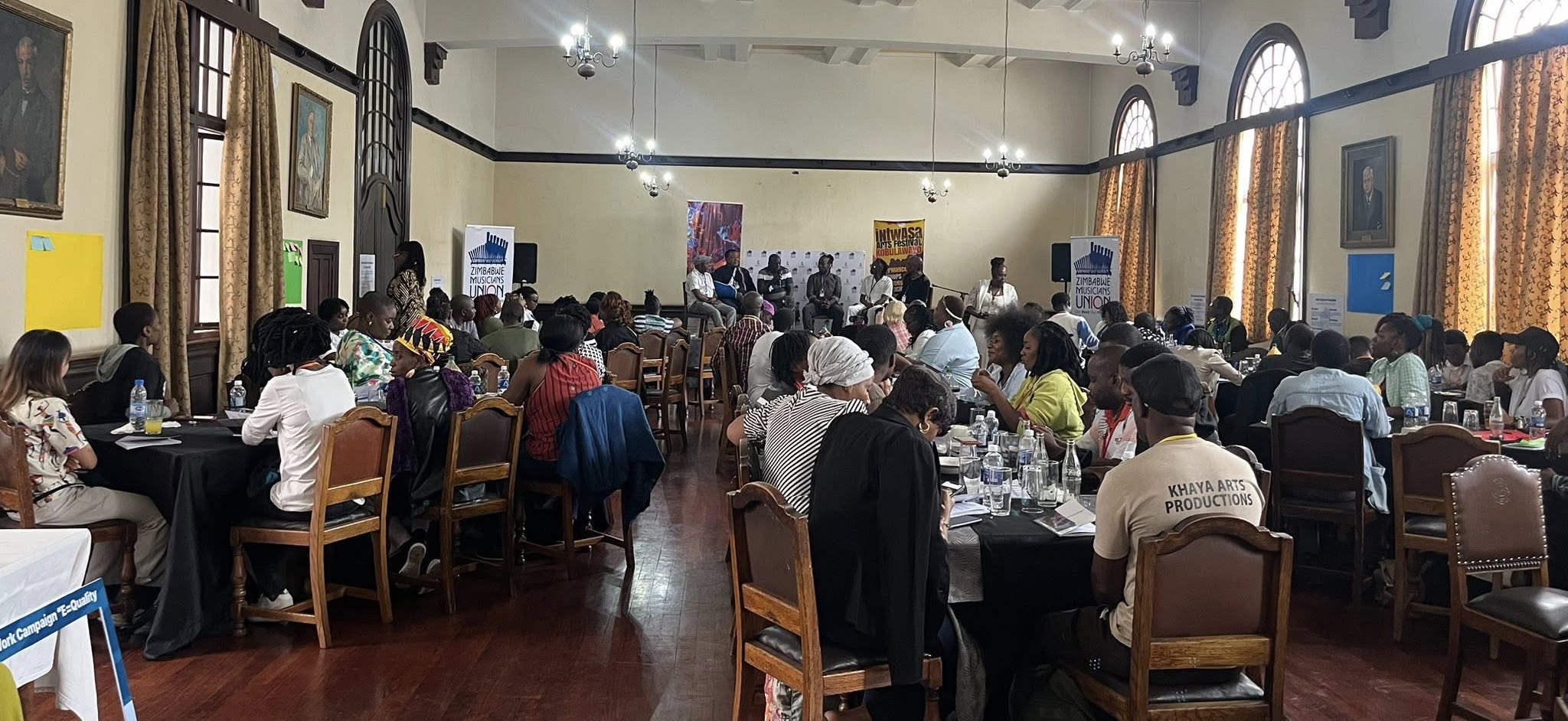
The Zimbabwe Musicians Union (ZIMU), in collaboration with Intwasa Arts Festival koBulawayo, recently hosted the Gender at Work Conference at The Bulawayo Club. The event brought together leading figures from Zimbabwe’s creative and cultural sectors to address issues of gender equality, workplace inclusion, and equal opportunities in the arts. Edith Katiji, the founding ZIMU member and current president was also in attendance and gave the opening remarks.
Dr. Muranda led a thought-provoking panel on education, research, and cultural change, stressing the importance of preserving knowledge for future generations. “Africa’s greatest tragedy is knowledge buried with its people,” he said, reminding participants that graveyards are full of unrealized ideas and projects. His remarks underscored the urgent need to capture and share knowledge before it is lost.
Joining him were Ms. Tina Watyoka and Ms. Rumbi Katedza, who emphasized the value of inclusivity, empowerment through education, and the role of art in documenting lived experiences. They urged participants to support one another, nurture creativity, and take action to leave a meaningful legacy.
Another key discussion explored the role of men in the arts in advancing gender equality. Panelists agreed that the challenge lies not in gender itself, but in toxic behaviors that undermine equity in creative spaces.
Artists including Clive “Mono” Mukundu, Nkululeko Innocent Dube, Raisedon Baya, Sally Ncube, Simião Simbine, and Nyaradzo Hazangwi contributed to the discussions, alongside musicians Vuyo Brown and Tina Nomsa Watyoka. Their voices helped shape the outcomes of the conference, highlighting the collaborative spirit needed to drive change.
The Gender at Work Campaign seeks to address critical gaps in the creative industry, from fair recognition and equal pay for women to improved working conditions and greater acknowledgment of the arts’ impact on society.
The conference marked an important milestone in the journey toward a more inclusive and equitable creative sector in Zimbabwe. It demonstrated that progress depends on collective action, courageous conversations, and a shared commitment to building a future where all creatives can thrive.