Strings of Heritage: Zimbabwean Mbira Virtuoso Chichi Wembira Marks Mbira Month in Style

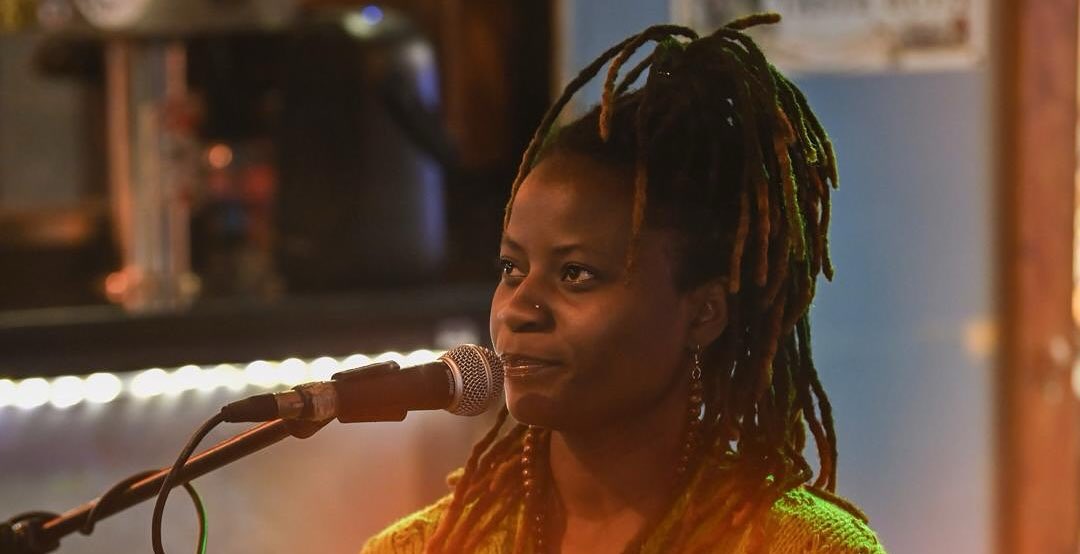
In the rich cultural landscape of Zimbabwean music, the mbira stands out as an instrument of profound significance, weaving together threads of heritage, identity, and community. For Chichi Wembira, the mbira is more than just an instrument – it’s a bridge connecting her to her roots and a powerful medium for self-expression.
Born and raised in Zimbabwe, Chichi’s journey with the mbira is a testament to her passion and perseverance in the face of challenges. Now residing in the USA, she continues to share the beauty of Zimbabwean music with new audiences while staying true to her cultural heritage.
In this insightful interview, Chichi shares her inspiring story, from her early days of discovering the mbira to her experiences as a female artist in a male-dominated field, and her plans for future projects that promise to captivate audiences worldwide.
TR: Can you share your story of how you became a versatile mbira player, and what inspired you to pursue this traditional Zimbabwean instrument?
CW: Being born and raised in Zimbabwe, I have always loved mbira music even though I could not play or participate in anything to do with traditional instruments, music or dance growing up because of my father’s family religion (Masowe) which is against it but I would hear mbira music from people’s radios and in school.
My parents then separated and my siblings and I were staying with my mom and we stopped going to Masowe. After completing my high school, my mother, now a single parent, couldn’t financially support me pursuing further education. Hence I stayed at home for some time and became even more exposed to mbira music.
I grew a strong interest and really wanted to play it myself. I told my mom about being interested in playing the instrument, and at first she did not like the idea. However I kept bugging her and she eventually bought me my first mbira, a nhare/dzavadzimu, in 2015.
TR: As a female artist playing mbira, have you faced any challenges or stereotypes, and how have you overcome them to succeed in this male-dominated field?
CW: The main challenge that I faced was acceptance, especially from my father and his family because of their religion being against participation in the practice of the mbira instrument, even though I had so much support from my mother and some other people in my society so that gave me the courage to keep going.
The other challange that I faced was how to connect with other mbira players since I did not know much about the music sector then I discovered Music Crossroads Academy Zimbabwe but I still was not financially able to pay for a music school but I’m so grateful to the Academy for offering me a half scholarship for my first year and while in school my mbira circle started growing as I connected with other players and musicians.
TR: How do you find living in the USA, where mbira artists are rare, and how do you stay connected to your Zimbabwean roots through music?
CW: I moved to the US in early July 2025, and in August I performed at 2 open mics in the Greater Cincinnati area, Wunderbar and MOTR pub, performing with my husband Clark Wheeler. I also have been doing some volunteery work at Bi-Okoto, a cultural center that focuses on West African drumming, dance, music and languages, teaching children and they also have adult programs.
I also instructed a workshop on Zimbabwean mbira music and dance at Clifton Cultural Arts Center also here in Cincinnati. The workshop was open to all ages. I had one of the African American participants who attended the workshop commenting on how she had never been in Zimbabwe or any other African country but she felt connected to her roots while participating in the workshop and she was happy to have someone who is from Zimbabwe to demonstrate the workshop.
TR: Tell us about your recent performance at Wunderbar Covington – what was the experience like, and how did the audience respond to your music?
CW: It has been great playing for a new audience. When I moved here, our first performance was at Wunderbar’s open mic. Fellow musicians and audience members were really impressed with the performance including the booking manager who then immediately booked us for a show.
The turnout for the show was really good and had so much good reviews about it, people enjoyed listening to some different sounds. There are some people who participated at the workshop that I did at Clifton Cultural Arts Center that also attended the show and they enjoyed it and are looking forward to more performances and workshops.
TR: Your husband Clark is a guitarist. Does he support your mbira playing, and has he ever considered learning to play the mbira himself?
CW: My husband is a guitarist, but we actually first connected through mbira music.
He has always loved mbira and had been in Zimbabwe some years back to learn the instrument. He plays mbira and we have been practicing and performing together since moving here. When we are performing, he plays guitar on most songs but there are songs that we both play the mbira. He is very supportive and I feel like we make a good team.
TR: How many types of mbira can you play, and do you have a favorite type or style?
CW: I play three types of mbira, Nhare/Dzavadzimu, Nyunganyunga and Mavembe/Gandanga. I do not have a favorite mbira type because I love them all with their different tuning, structure and sound. I find each mbira unique and love all of them the same.
TR: What does mbira music mean to you, and how do you think it can be used to connect people across cultures?
CW: Mbira music means my culture, my identity and I am so proud to be a part of it. It should be preserved for future generations.
TR: What do you think Africans in the diaspora can do to preserve their cultural heritage through music, especially when faced with the challenges of adapting to new environments?
CW: Well it can be very difficult because of cultural differences and language barriers, but i also believe music is universal and all music is unique no matter where what continent it’s from. Africans in the diaspora should be proud of our music, instruments and languages and not shy away from it, it’s not evil, it carries depth and richness. Let’s embrace it.
TR: Who are some of your biggest influences or inspirations in the world of mbira music, and how have they shaped your style?
CW: The late Chioniso Maraire, Mbuya Stella Chiweshe, Prince Musarurwa, Mbuya Beulah Dyoko, Irene Chigamba and Matemai mbira group, Mbira Dzenharira and some other mbira players and groups that I didn’t mention here, I used to listen to their music a lot and their unique playing techniques and voices, and singing styles contributed in shaping my own style.
TR: What are your plans for future performances or projects, and how do you see your music evolving in the years to come?
CW: I plan on having more performances and workshops and cultural exchange programs as well as recording some music. I feel like I am ready to record my music so that is going to happen anytime soon.