South African Fashion Week Takes a Strategic Pause to Recalibrate the Future of Fashion

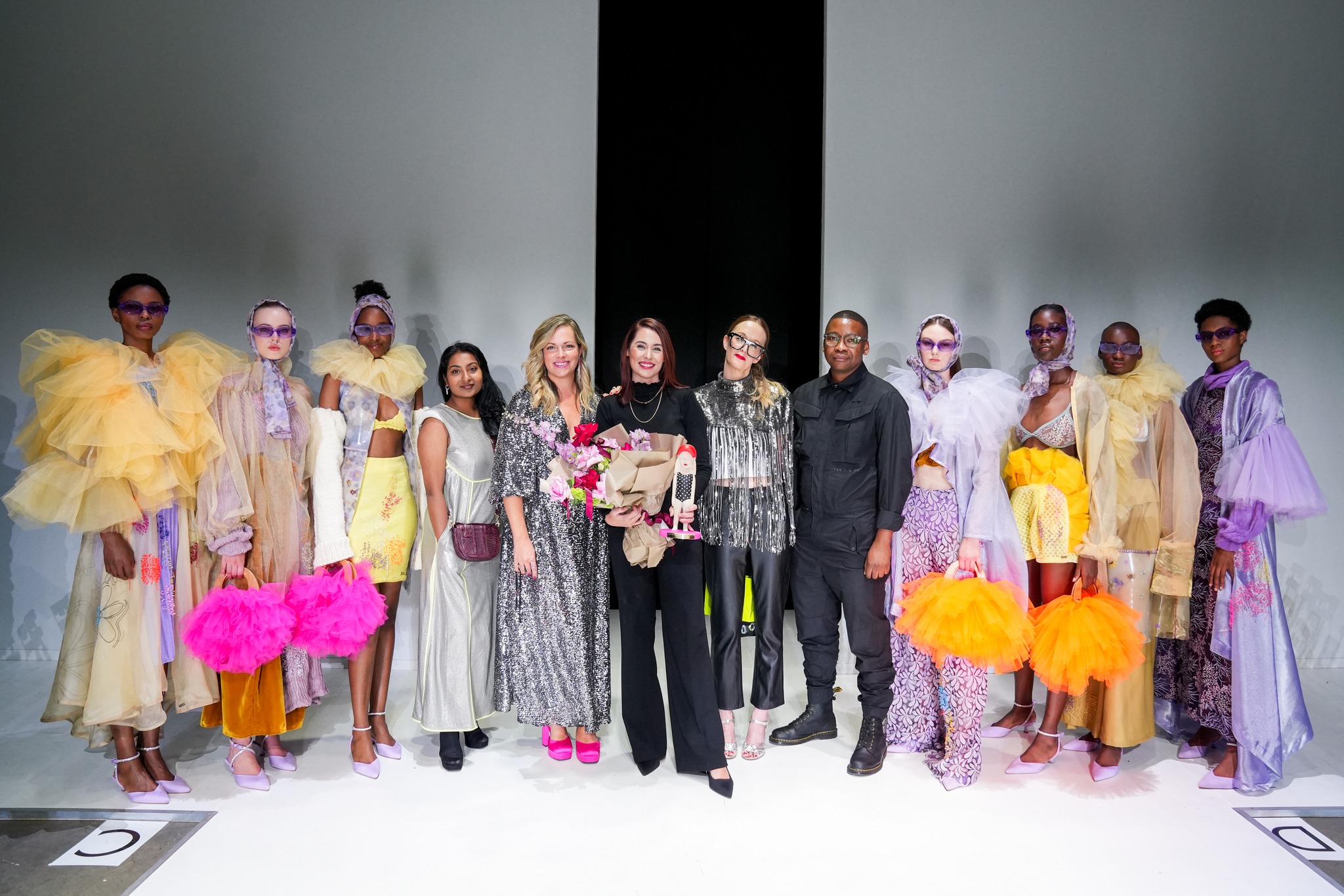
After 28 years of shaping the South African designer fashion industry, South African Fashion Week (SAFW) organisers have announced a strategic pause to recalibrate and reshape the future.
The annoucement comes as a response to global shifts in supply chains, the rise of fast fashion, and the growing urgency of sustainability, which have rendered the traditional model of fashion week in need of change.
Lucilla Booyzen, the director of SAFW announced the break on social media , “I believe it is vital that we take a season to listen, think, and reflect together as a designer community and the industry at large, so that we can shape the best new direction and secure a thriving future for our industry.”
This pause will allow the organization to integrate research, knowledge, and insights gained over nearly 30 years into a new, future-ready model.
The vision is to create something dynamic, suited to the South African market and the Global South, while remaining connected to the Global North. SAFW will collaborate with designers, industry stakeholders, retailers, buyers, sponsors, and the wider creative community to ensure the next chapter reflects the needs of the entire fashion value chain.
During this pause, the fashion show will continue to share designers’ stories, showcase their new collections, and celebrate their creative evolution across all digital platforms.
The organisation will also guide consumers directly to where their collections can be found and purchased. This recalibration is about more than just a pause; it’s about ensuring that South African fashion continues to thrive, innovate, and lead in a rapidly changing landscape.
As the fashion industry stands at a crossroads, SAFW is taking a proactive approach to secure a thriving future for the industry.
What does this mean for the future of South African fashion? Is the question on everyone’s mind only time will tell, but one thing is certain SAFW is committed to ensuring that South African fashion continues to grow.
The fashion show has in the past three decades been headlined by designers who include: Ngingu; The Bam Collective; Thabo Makhetha; Gert-Johan Coetzee, ERRE; Ephymol and Imprint amongst others.