Behind the Curtains: Youth Advocacy through Puppetry and Storytelling

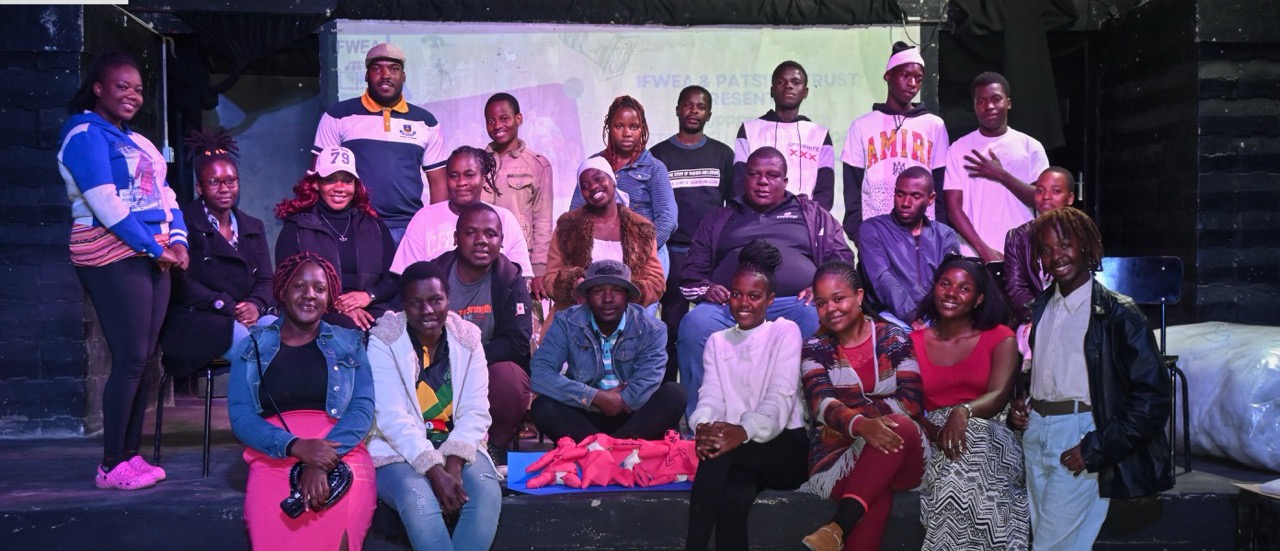
By Tanyaradzwa Vimbai Mombeshora: At the Jasen Mphepo Little Theatre in Harare, youth advocacy for social change springs to life through the innovative medium of puppetry and storytelling, led by the Patsimeredu Edutainment Trust. This hybrid organization skillfully employs performing arts as a development communication strategy, recently collaborating with the International Federation of Workers’ Education Associations (IFWEA) to conduct a Study Circle Group Session.
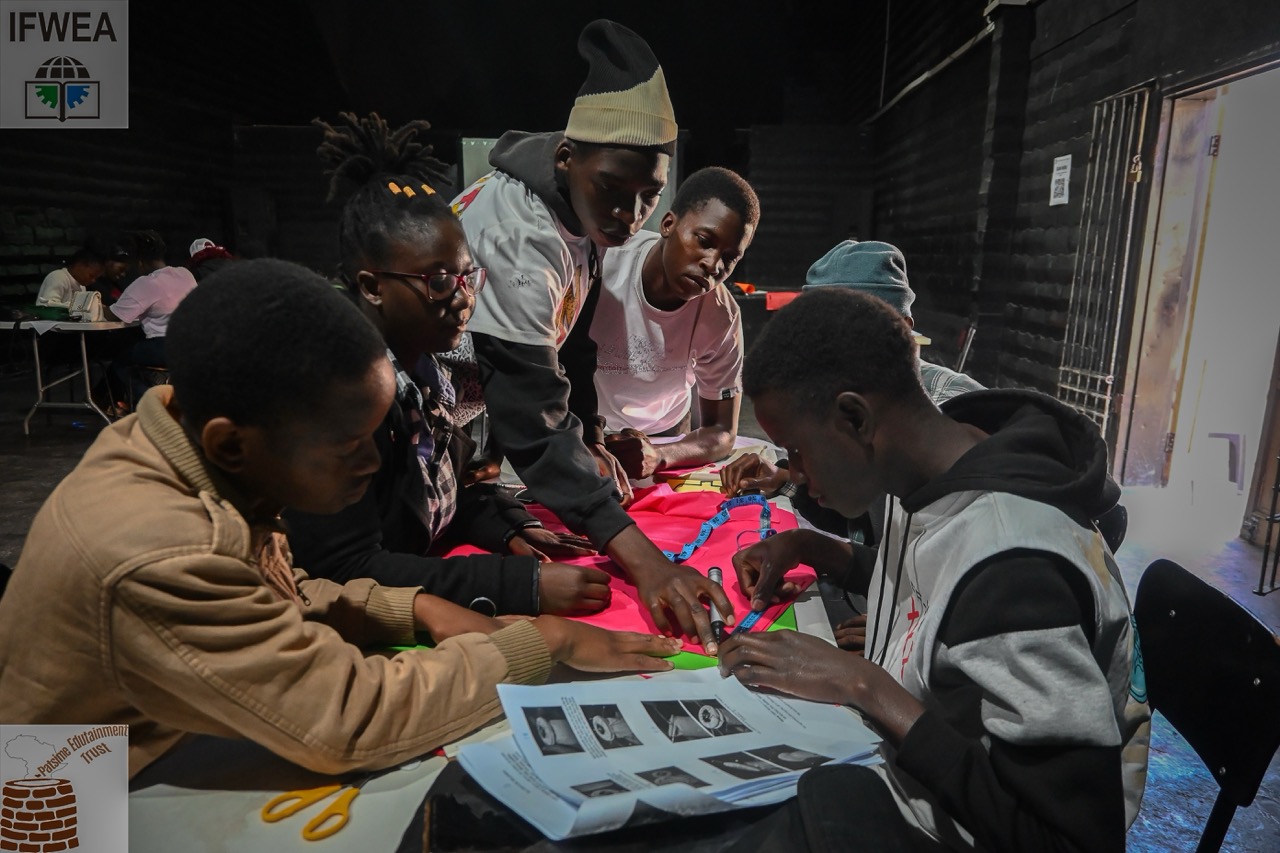
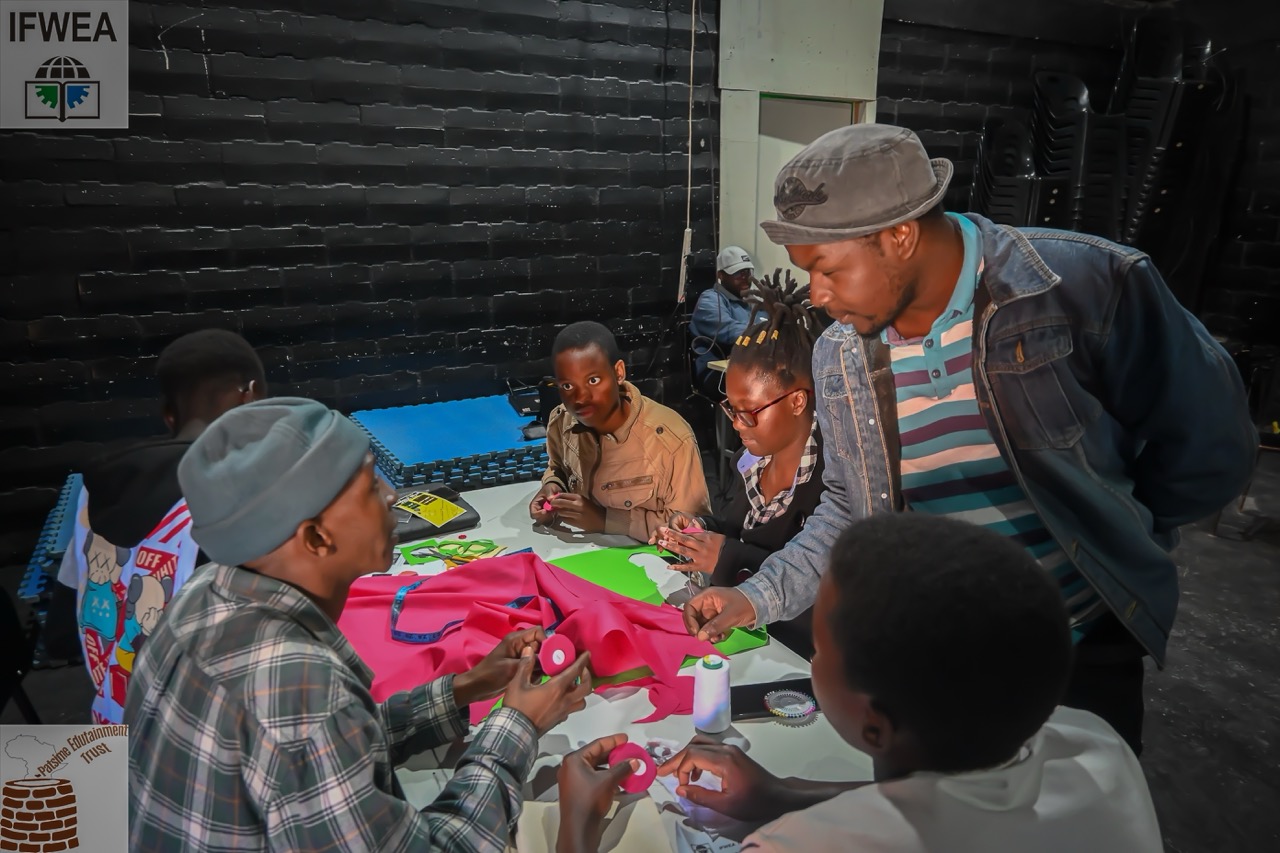
In July 2025, young people aged 18 to 35 participated in a workshop that emphasized the importance of storytelling and its fundamental elements, while also learning the craft of puppet and ragdoll making.
This informal and relaxed educational approach echoes the sentiments of public sphere discussions, empowering participants to challenge societal norms and advocate for crucial ideas in an entertaining way. Through puppetry, these young advocates are not just learning a skill; they are also finding a unique voice to channel their messages for social change.
One of the most striking effects of the study circle group, was how engaged each group was. Networking came together with storytelling as well as advocacy. This was the place to be for fifty year olds to mingle with thirty-somethings while laughing with teenagers and twenty-somethings. Gen Z, millennial and gen X together speaking on equal footing without any patronising or condescending tone, which is common in seniority societies such as, Zimbabwe.
This was a inderict if not purposeful social challenge in itself.
The Study Circle coordinator, Shingirai Manyengavana, could not have been more proud of the puppetry outcome. He is a passionate advocate for social change by youths using unorthodox methods that are not up-the-nose or too preachy. He believes in championing human rights in a way that opens room for talk with open arms. A sort of hipster meets politician approach, and the puppetry and storytelling program felt, as Goldilocks would put it, just right.
Explaining what drew his attention to the program, Shingirai Manyengavana said, “I was drawn to IFWEA and Patsime’s puppetry and storytelling program because of its unique approach to social change and youth empowerment. The use of puppetry and storytelling as a tool for expression, education, and advocacy resonated with me. I’m passionate about creative approaches to social issues, and this program’s innovative methodology sparked my interest.”
In an age where every form of entertainment is accessible on a smartphone, laptop, tablet, smart TV and apps for streaming that killed DVDs and whatever manual use of fun, it gas become scarce to children playing outside, let alone youths engaging in small talk that lasts centuries with their elders and the study circle challenged these dynamics.
“Puppetry and storytelling can have a profound impact on youths in a digital era by providing a tangible, human connection in a world dominated by screens. These skills can help young people develop essential life skills like creativity, empathy, and effective communication. Through puppetry and storytelling, youths can express themselves authentically, build confidence, and engage with complex issues in a meaningful way.” A beaming Manyengavana comments.
A participant, Godblessus Dhliwayo seems to agree with this sentiment, ” Personally, I believe that arts and crafts are a form of entertainment and as human beings we love being entertained. It is a human need at this point.
“The crafts aspect is hands-on abduct gives you input into your own entertainment. The skills you learn can provide jobs and opportunities for people. “
It seems as though learning a new skill is always a motivator for the entrepreneur mindset of Zimbabweans sho are forever on the hustle. The puppetry and storytelling comes as no exception as many have discovered how to turn the new skills the learnt into another source of income.
Lovejoy Masango, another participant was drawn to this aspect as well as taking it as a team building exercise, “When creating puppets, there is coordination, teamwork and communication inorder to create puppets.
“We can actually turn thus into an income when we are lounging at home.e and Chatham is what I learnt.”
The program coordinator seems to have achieved is goal as this was also on Shingirai Manyengavana’s mind, “With this program, I aim to empower young people with the skills and confidence to express themselves, tell their stories, and drive positive change in their communities. By harnessing the power of puppetry and storytelling, we can create a platform for youths to share their perspectives, raise awareness about social issues, and inspire action. Ultimately, our goal is to foster a generation of creative, empathetic, and socially conscious leaders.”
With the success story of IFWEA and Patsime’s Puppetry And Storytelling Program, one hopes to see more of the free spirit approach to advocacy and education rake over our traditional ways of campaigning. After all we could all use a good laugh after a long day’s work.